
Pests
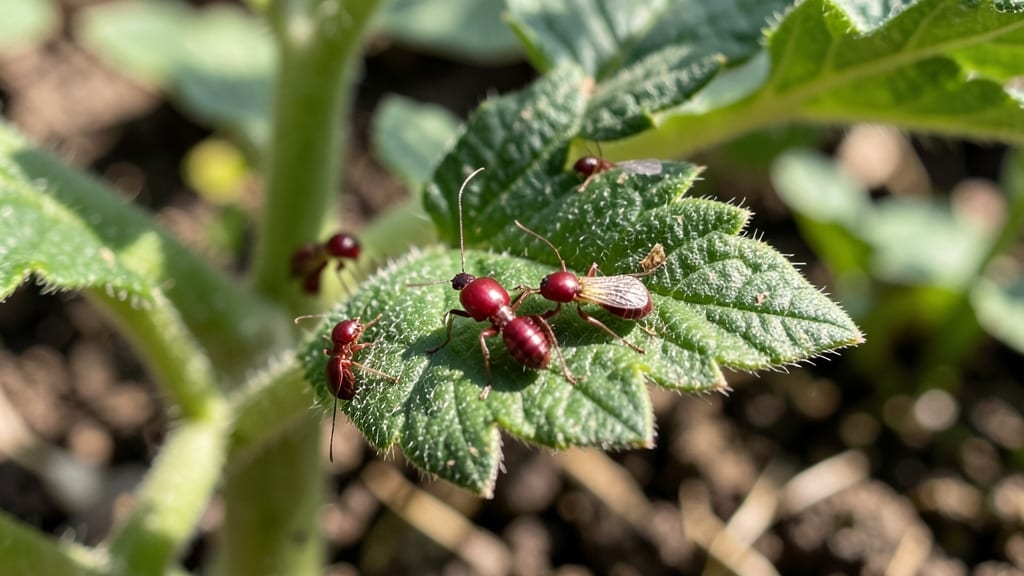
Those tiny red bugs on your tomato plants aren’t just an annoyance—they’re sucking the life out of your vines. 🌱 I’ve seen them turn lush plants into stunted, fruitless shadows, but there’s a way to kick them out without harsh chemicals.
The key is acting fast with organic methods that protect your plants and the pollinators you want to keep.
These pests—likely Lygus or Tarnished Plant Bugs—leave behind a trail of damage: misshapen fruit, wilting leaves, and stunted growth. The good news? You can spot them early by checking the undersides of leaves for their 1/8-inch red bodies and tiny white eggs.
Once identified, the fix is simpler than you’d think—no need for store-bought poisons.
Within a week of targeted action, you’ll see healthier foliage and stronger vines. The secret? A mix of hand-picking, neem oil sprays, and introducing lacewings—nature’s own pest patrol. Even my blackest-thumb attempts have worked when I followed these steps religiously.
This works for backyard gardens, containers, and even raised beds—no matter your setup. Let’s get those bugs out for good and bring back your healthy, productive tomato plants.
Root Causes of Tomato Plant Invaders
If you’re spotting tiny red bugs on your tomato plants, don’t panic—there’s a logical explanation behind their unwelcome visit. These pests rarely appear out of nowhere; instead, they’re drawn to specific conditions that make your garden an all-you-can-eat buffet.
Understanding why they show up is the first step to stopping them before they wreak havoc. Let’s break down the most common triggers:
Tomatoes thrive when they have space to breathe and strong roots to support them. When plants are crowded, underwatered, or nutrient-deficient, their natural defenses weaken. Tiny red pests like aphids or thrips detect this stress and flock to the easiest meals—your tomato’s tender leaves and fruit.
- Why it happens: Weakened plants produce less saponins (natural insect-repelling compounds), making them more appealing to pests.
- Actionable fix:
- Prune plants to improve airflow.
- Water deeply at the base (not overhead) to avoid fungal issues.
- Add compost or balanced fertilizer to boost plant vigor.
Leaves, fallen fruit, and plant debris aren’t just eyesores—they’re pest hideouts. Tiny red bugs like minute pirate bugs (beneficial predators) or red spider mites use this clutter as shelter during the day, then emerge to feed at night.
If your garden looks like a bug’s all-inclusive resort, expect an infestation.
- Why it happens: Debris traps moisture, creating a humid microclimate that pests love. It also provides protection from natural predators and pesticides.
- Actionable fix:
- Remove fallen leaves, fruit, and weeds regularly.
- Mulch sparingly (2–3 inches max) to avoid trapping moisture.
- Rotate crops yearly to disrupt pest life cycles.
Tomatoes prefer warm days and cool nights, but sudden temperature swings or drought stress can turn your plants into pest magnets. For example:
- Heatwaves: Dry conditions attract thrips and whiteflies, which thrive in hot, arid environments.
- Humidity spikes: Fungal diseases (like early blight) weaken plants, making them more vulnerable to red spider mites.
- Late-season cool snaps: Some pests, like aphids, reproduce faster in cooler weather.
Why it happens: Stress from weather fluctuations disrupts plant resilience, while pests adapt quickly to changing conditions. For instance, red spider mites explode in populations when humidity drops below 40%.
Actionable fix:
- Use shade cloth during heatwaves to protect plants.
- Install a drip irrigation system to maintain consistent moisture.
- Monitor weather forecasts and cover plants with row fabric during sudden temperature drops.
Not all tiny red bugs are harmful—some, like minute pirate bugs or ladybug larvae, are beneficial predators that keep pests in check. If your garden lacks biodiversity (e.g., no birds, lacewings, or ground beetles), harmful red pests like aphids or mealybugs have free rein.
- Why it happens: Monoculture gardens (planting only tomatoes) or heavy pesticide use eliminates predator populations, leaving pests unchecked.
- Actionable fix:
- Plant companion flowers (like marigolds or dill) to attract predator insects.
- Avoid broad-spectrum pesticides that kill beneficial bugs.
- Install birdhouses or bat boxes to encourage natural pest control.
Once you identify why these pests are targeting your tomatoes, you can proactively adjust your gardening practices to make your plants less appealing—and your garden less hospitable. The key? Healthy plants + smart prevention = fewer bugs! 🌱💪
Beat Back Tiny Invaders Naturally
Discovering tiny red bugs feasting on your tomato plants can feel like a garden nightmare—but don’t panic! These pests, often minute pirate bugs or aphid predators, can be managed (and even welcomed) with the right organic strategies.
Below, we break down targeted fixes based on the cause, plus proactive tips to keep your tomato plants thriving.
If your tomato plants are already weakened by poor spacing, overwatering, or nutrient deficiencies, pests like red spider mites or thrips will swoop in. The fix? Strengthen your plants’ defenses first.
- 🌱 Prune for airflow: Trim crowded foliage to reduce humidity and improve air circulation. Aim for 12–24 inches between plants.
- 💧 Water wisely: Water at the base in the early morning to avoid damp leaves (a spider mite magnet). Use drip irrigation if possible.
- 🌿 Feed with compost tea: A balanced organic fertilizer (like fish emulsion or worm castings) boosts plant resilience. Mix 1 cup compost into 5 gallons of water, steep for 24 hours, and spray foliage.
- 🛡️ Shield with reflective mulch: Lay silver or aluminum mulch around plants to confuse pests and reflect light (which deters mites).
✨ Pro Tip: Neem oil isn’t just for pests—it’s a plant tonic! Mix 1 tbsp neem oil + 1 tsp mild soap + 1 quart water, spray on leaves, and repeat weekly to harden plants.
If the culprits are aphids or whiteflies (which sometimes appear red in early stages), act fast with these sticky, suffocating solutions.
| Method | How to Do It | When to Use |
|---|---|---|
| 🕷️ Yellow sticky traps | Hang yellow cards coated in petroleum jelly near plants. Aphids and whiteflies are drawn to yellow and get stuck. | Place traps 2–3 feet above plants at dawn for best results. |
| 🌿 Soap spray blast | Mix 2 tbsp castile soap + 1 quart water. Spray directly on bugs (avoid flowers). Reapply every 3–5 days. | Use on mild infestations before they spread. |
| 🍃 Kaolin clay barrier | Sprinkle kaolin clay (like Surround WP) on soil and foliage. Creates a physical barrier that confuses pests. | Apply at dusk to avoid harming bees. |
💡 Warning: Avoid horticultural oil if temps are above 90°F—it can burn plants. Stick to soapy water in heatwaves.
Tiny red spider mites or thrips thrive in dry conditions and leave silvery webs or speckled leaves. Combat them with these knockout tactics:
- 💦 Blast them off: Spray plants with a strong stream of water from a hose (early morning works best). Repeat every 2–3 days for 2 weeks.
- 🌿 Introduce predator bugs: Release lacewings, ladybugs, or minute pirate bugs (available at garden centers). They devour mites and thrips.
- 🌡️ Increase humidity: Use a hose-end spray nozzle to mist plants daily, or place a shallow tray of water near them. Spider mites hate humidity.
- 🍋 Citrus spray: Mix 1 cup citrus peels + 1 gallon water, steep for 24 hours, strain, and spray. The limonene disrupts their life cycle.
✨ Pro Tip: Coffee grounds aren’t just for compost—they repel mites! Sprinkle used grounds around plant bases weekly.
If bugs have taken over, it’s time for heavy artillery. These methods are highly effective but use with caution:
- 🌿 Diatomaceous earth (DE): Sprinkle food-grade DE on soil and under leaves. It abrasively kills bugs but is safe for plants. Reapply after rain.
- 🍄 Beneficial nematodes: Mix PhastPlus nematodes with water and apply to soil. They seek out and paralyze pests like thrips and aphids.
- 🍃 Remove and destroy: For heavily infested leaves, snip them off and compost in a sealed bin (not open piles).
⏰ Timing Matters: Apply nematodes or DE at dusk to avoid harming bees and maximize effectiveness.
Once you’ve banished the tiny red invaders, lock them out with these long-term strategies:
- 🌱 Rotate crops: Avoid planting tomatoes (or nightshades) in the same spot yearly. Bugs overwinter in soil!
- 🌿 Plant companion crops: Interplant basil, marigolds, or nasturtiums—they repel pests naturally.
- 🕯️ Use row covers: For early-season protection, cover seedlings with fine mesh netting until plants are established.
- 🧼 Clean up debris: Remove fallen leaves, weeds, and plant waste from the garden bed to eliminate hiding spots.
- 🌡️ Monitor regularly: Check undersides of leaves weekly with a magnifying glass. Early detection = easier fixes!
💡 Final Thought: Some "tiny red bugs" (like minute pirate bugs) are actually helpful predators! If they’re hunting aphids, leave them be—they’re on your team.
Frequently asked questions
Are all tiny red bugs on tomato plants harmful?
Not necessarily! Some like minute pirate bugs or ladybug larvae are actually beneficial predators that help control aphids and other pests. Look for bugs actively hunting smaller insects—those are your allies. Only target the harmful ones causing visible damage to leaves or fruit.
How do I tell if my tomato plants have a serious infestation?
Check for these red flags: stunted growth, deformed leaves, or speckled fruit. If you see more than 5-10 bugs per leaf or webbing between leaves, it’s time to act. Early detection is key—start checking undersides of leaves weekly during warm months.
Will home remedies like dish soap work on tiny red bugs?
Yes, but use mild dish soap (1 tsp per quart of water)—harsh detergents can damage plants. Spray directly on bugs (avoid flowers) and reapply every 3-5 days until they disappear. For stubborn cases, combine with neem oil for better results.
Can I still harvest tomatoes if bugs are present?
Wash thoroughly before eating. Focus on removing heavily infested leaves first. If bugs are only on lower leaves, they’re unlikely to reach the fruit. Just monitor closely and treat the plants to prevent spread to developing tomatoes.
How often should I check my tomato plants for these bugs?
Inspect plants every 3-4 days during growing season (spring-fall). Pay special attention to new growth and undersides of leaves where bugs hide. Early morning is best—bugs are sluggish then and easier to spot.