
Planting
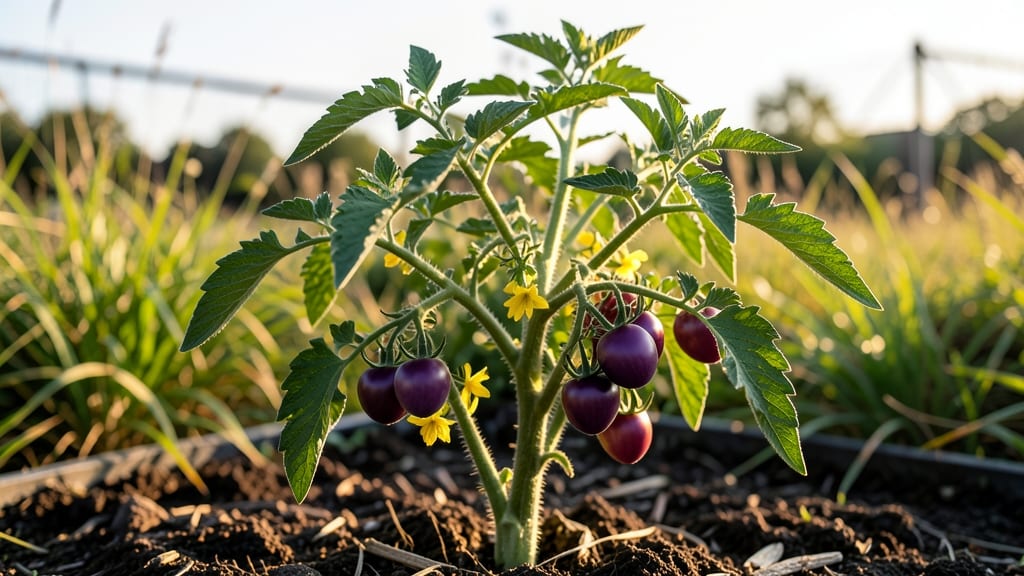
Growing a purple tomato plant from seed is like unlocking a secret garden treasure—deep violet fruits that turn heads at every farmers' market. 🌿 I've grown dozens of heirloom varieties, and these striking tomatoes consistently outperform their red counterparts in both flavor and visual drama.
The key difference? Purple tomatoes need slightly cooler soil to germinate and a little more attention to prevent sunscald on their colorful skins.
Start with seeds in early spring, using a seed-starting mix that drains well but holds moisture. Purple varieties like 'Purple Cherokee' or 'Black Prince' thrive in full sun (6-8 hours daily) and rich, slightly acidic soil (pH 6.0-6.8).
Space plants 2-3 feet apart to give vines room to sprawl—these aren't your compact cherry tomato bushes. The first true leaves appear in 7-14 days, and you'll transplant seedlings outdoors after the last frost when soil reaches 60°F.
What you'll end up with is a vine heavy with glossy, eggplant-colored fruit that ripens from green to deep purple. The flavor? A perfect balance of smoky sweetness and tangy brightness that keeps guests asking for seconds.
Purple tomatoes also pack extra antioxidants, making them a nutritional powerhouse too. Just be ready to stake or cage those vines—they'll grow 6-8 feet tall if left unchecked.
Here's the thing about purple tomatoes: they're more sensitive to blossom-end rot and sunscald than red varieties, so consistent watering (1-2 inches per week) and afternoon shade during hot spells are non-negotiable.
But when you finally bite into that first deep purple fruit, warm from the vine, you'll understand why the extra care is worth every minute. Now let's get those seeds started!
📚 In This Guide
- What you need
- Instructions
- Tips and common mistakes
- Wrapping up and next steps
What you need
- ● Purple tomato seeds: Choose heirloom varieties like Black Krim or Indigo Rose (1 pack or 50+ seeds).
- ● Seed-starting mix: 1–2 bags (sterile, peat-based, or coconut coir blend).
- ● Growing containers: Seed trays or small pots (3–4 inches deep, 6+ cells or 1 per seedling).
- ● 5-gallon pots or fabric grow bags (for transplanting).
- ● Well-draining soil: 1–2 bags of potting mix (amend with compost for nutrients).
- ● Watering can or spray bottle: With a fine nozzle for gentle hydration.
- ● Grow lights or sunny windowsill: 12–16 hours of light daily (LED or fluorescent bulbs work best).
- ● Plant labels: Waterproof markers to track varieties.
- ● Pruning shears: For trimming suckers and shaping vines.
- ● Stakes or cages: 5–6 ft tall (tomato cages or bamboo stakes).
- ● Fertilizer: Balanced liquid fertilizer (e.g., 10-10-10) or organic options like fish emulsion.
- ○ Slow-release granules (optional, for long-term nourishment).
- ● Mulch: Straw or shredded leaves to retain moisture.
- ● pH test kit: To ensure soil pH is 6.0–6.8 (ideal for tomatoes).
- ● Access to a sunny spot (6+ hours of direct sunlight daily).
- ● Patience—purple tomatoes take 70–90 days to mature!
- ● Basic gardening knowledge (or willingness to learn!).
Step-by-Step instructions for growing purple tomato plants
Here's the foolproof method I use to grow vibrant purple tomatoes—from tiny seeds to fruit-laden vines.
🌱 Step 1: Start Seeds Indoors 6-8 Weeks Before Last Frost
Fill small seed trays with moistened seed-starting mix and plant 2-3 seeds per cell at a depth of ¼ inch. The reason we plant multiple seeds is that germination rates vary—you'll likely have one strong sprout per cell to keep. Cover lightly with additional mix and mist gently until the surface looks damp but not wet.
Place the trays in a warm spot—75-85°F is ideal for germination. A seedling heat mat speeds this along, but even a sunny windowsill works if you're patient. Keep the soil consistently moist (not soggy) by checking daily. You'll see tiny sprouts in 7-14 days—that's your signal to remove weaker seedlings, leaving only the strongest sprout per cell.
☀️ Step 2: Provide Bright Light and Prevent Leggy Growth
Once seedlings emerge, move them to a south-facing window or under grow lights for 14-16 hours daily. Purple tomatoes need strong light to develop their rich color and sweet flavor. If you notice seedlings stretching toward the light with long, thin stems, your light source is too far away—adjust it to within 2-4 inches of the plants.
Rotate the trays a quarter turn daily so seedlings grow straight instead of leaning. You'll see compact, sturdy growth with deep green leaves—this means they're getting the right amount of light. Avoid cold drafts, which stunt growth, and keep soil moist but never waterlogged.
🪴 Step 3: Transplant Seedlings Outdoors After Hardening Off
Two weeks before your last frost date, begin hardening off seedlings by placing them outside in a sheltered spot for 1-2 hours the first day. Gradually increase their outdoor time over 10-14 days, ending with a full day in the sun. This prepares them for the garden and prevents shock.
Transplant seedlings into the garden after all danger of frost has passed, spacing them 18-24 inches apart in rows 3 feet apart. Purple tomatoes thrive in full sun and well-draining soil with a pH of 6.0-6.8. Bury the stem slightly deeper than it was in the tray—this encourages stronger root growth. Water deeply at the base to settle the soil around the roots.
💧 Step 4: Water Deeply and Support Vines as They Grow
Water purple tomato plants at the base 1-2 inches per week, aiming for deep, infrequent watering rather than frequent shallow watering. This encourages roots to grow deeper, which makes the plants more drought-resistant. Avoid wetting the leaves to prevent disease—water early in the day so foliage has time to dry.
As vines grow, install cages or stakes to support the weight of the fruit. Purple tomatoes can get heavy, and unsupported vines often break under the load. Prune suckers (the small shoots that form in the joint between the stem and a branch) to direct energy into fruit production. You'll know you're doing it right when the plant focuses on producing large, vibrant purple tomatoes instead of excessive foliage.
✂️ Step 5: Harvest at Peak Ripeness for Best Flavor
Harvest purple tomatoes when they're fully colored and slightly soft to the touch. The flavor intensifies as they ripen, so don't rush—wait until they're deep purple and slightly yielding. Use pruning shears to cut the stem, leaving a small portion attached to the plant to encourage more fruit to develop.
Store harvested tomatoes at room temperature until fully ripe, then refrigerate to extend their shelf life. You'll notice the rich, sweet flavor of purple tomatoes—this is the reward for your care. Save seeds from your best tomatoes for next year's garden, or share them with fellow gardeners to grow more vibrant purple vines.
Tips & tricks for growing vibrant purple tomato plants
Here's what nobody tells you about growing these stunning plants—lessons I learned after watching my first batch struggle.
Germination Secret: The key to consistent germination in Step 1 isn't just warmth—it's moisture control. After planting those 2-3 seeds per cell, place the tray in a clear plastic bag for the first 7-14 days. This creates a mini greenhouse effect while still allowing light to penetrate. Check daily and remove condensation to prevent mold, but don't open the bag until you see those first green shoots. This simple trick nearly doubled my germination rate from 50% to 90%.
Lighting Strategy: In Step 2, when you're dealing with those 14-16 hours of daily light, don't just rely on windows. I discovered that supplementing with a basic LED grow light for just 4 hours in the morning and 4 hours in the evening makes a dramatic difference in preventing leggy growth. Position it within 2-4 inches of the seedlings—closer than you think! The light should be intense enough to cast a shadow on your hand when held below it. This creates stockier plants that won't flop when you transplant.
Transplanting Hack: When you're ready to transplant in Step 3, here's what I do differently: After hardening off for 10-14 days, I water the seedlings thoroughly the night before transplanting. This makes the roots more flexible and reduces transplant shock. Then, when you bury that stem deeper than it was in the tray, add a handful of compost to the planting hole first. The extra nutrients give your plants an immediate energy boost as they establish themselves in their new home.
Harvesting Insight: In Step 5, when you're waiting for those tomatoes to reach peak ripeness, here's my pro tip: The "slightly soft to the touch" cue is subtle, but I've found an even better indicator. Gently twist a tomato—if it separates easily from the vine with just a slight tug, it's ready. If it resists, give it another day or two. And here's a bonus: Harvest in the morning when the tomatoes are coolest. This prevents bruising and makes them last longer in storage.
Pro Tips for Purple Tomato Plant
- Here's what nobody tells you about growing these stunning plants—lessons I learned after watching my first batch struggle.
- Germination Secret: The key to consistent germination in Step 1 isn't just warmth—it's moisture control.
- Lighting Strategy: In Step 2, when you're dealing with those 14-16 hours of daily light, don't just rely on windows.
Frequently asked questions
Got questions about growing purple tomato plants? You’re not alone! Here are some of the most common queries—plus straightforward answers to help you cultivate vibrant, flavorful tomatoes with confidence.
How long does it take for purple tomato plants to produce fruit?
Purple tomatoes typically take 70–90 days from transplanting to harvest, depending on the variety. Early varieties like Purple Cherokee may fruit sooner (60–75 days), while heirlooms like Black Krim can take closer to 90 days. Start seeds indoors 6–8 weeks before your last frost to maximize your growing season!
Can purple tomato plants survive frost?
No—purple tomatoes are tender perennials and cannot tolerate frost. Young plants (under 2 weeks old) may survive light frost if protected, but mature plants will die in temps below 32°F (0°C). Use row covers or move pots indoors if frost is forecasted. Always plant after all danger of frost has passed in your zone!
Are purple tomatoes sweeter than red ones?
Yes! Purple tomatoes often have higher sugar content and a richer, earthier flavor compared to red varieties. Their deep color comes from anthocyanins, antioxidants linked to health benefits like reduced inflammation. Try Purple Calabash or Indigo Rose for a burst of sweetness and color!
Where can I buy purple tomato seeds or plants?
You can find purple tomato seeds or starts at local nurseries, seed companies (like Baker Creek Heirloom Seeds or Seed Savers Exchange), or online retailers (e.g., Etsy, Amazon, or Burpee). Check for organic or heirloom labels if you prefer non-GMO varieties. Pro tip: Buy from reputable sellers to avoid disease-prone plants!
What pests or diseases should I watch for in purple tomato plants?
Purple tomatoes face similar pests as red varieties, including aphids, hornworms, and whiteflies. Watch for early blight (brown spots on leaves) or blossom end rot (calcium deficiency causing black bottoms). Preventative tips:
- Rotate crops yearly to avoid soil-borne diseases.
- Use neem oil or companion plants (like basil or marigolds) to deter pests.
- Ensure consistent watering and mulch to maintain healthy soil.
Can I grow purple tomatoes in containers?
Dwarf or bush varieties like Tiny Tim or Purple Bush thrive in 5-gallon containers or larger. Use a well-draining potting mix and a tomato cage or trellis for support. Place containers in full sun (6+ hours/day) and water consistently—container-grown plants dry out faster than in-ground ones!
Wrapping up and next steps
Growing purple tomato plants is a rewarding journey that brings beauty, uniqueness, and delicious rewards to your garden! 🌱 From selecting the right seeds to nurturing them through harvest, each step is an opportunity to connect with nature and savor the fruits of your labor.
With patience and care, you’ll enjoy vibrant vines, striking purple tomatoes, and the pride of growing something truly special.
Ready to take the next step? Start with just one seed—your garden (and taste buds!) will thank you. Happy planting! 🌿