
Companion Plants
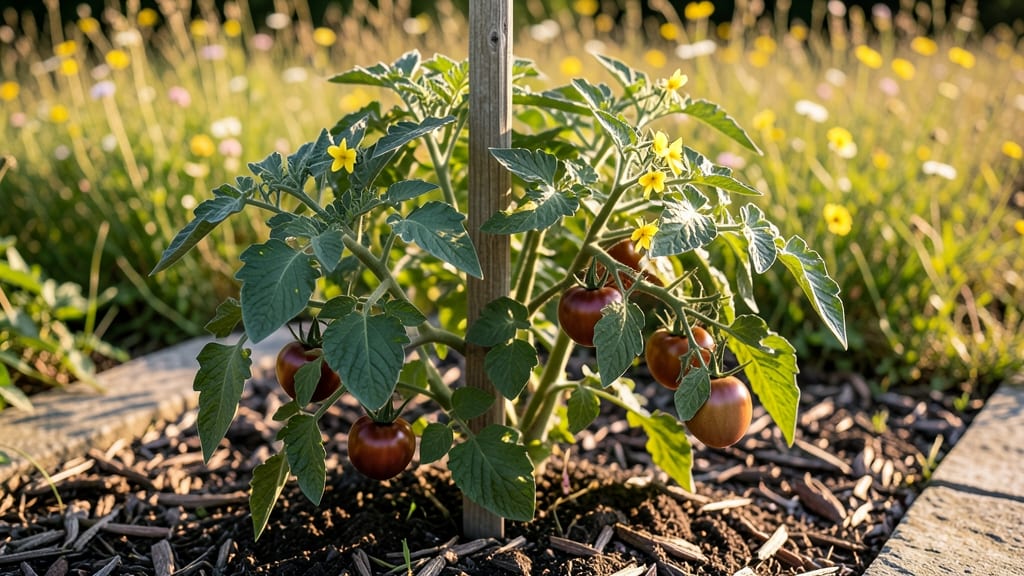
Growing chocolate tomato plants like Black Krim or Indigo Rose delivers a flavor so rich it feels like a secret. 🌱 These deep purple-black beauties aren't just stunning—they pack a smoky, cocoa-like taste that turns every slice into a culinary experience.
The key to unlocking their full potential starts with the right soil mix and sunlight balance.
These tomatoes thrive in full sun (6-8 hours daily) and well-draining soil with a slightly acidic pH (6.0-6.8). Amend your garden beds with compost before planting, and space them 2-3 feet apart to prevent disease.
The secret to their signature color? A touch of iron in the soil—just what they crave to develop those dramatic, almost-black skins.
Once established, they reward you with heavy clusters of 4-6 inch fruits that deepen in color as they ripen. Prune suckers regularly to focus energy on fruit production, and watch as neighbors stop to admire your edible art.
The flavor? Think sun-ripened tomatoes with a hint of dark chocolate—perfect for slicing, sauces, or even fresh eating.
Pair them with basil, oregano, or lettuce for a companion plant trio that boosts flavor and deters pests. With the right care, you'll harvest 30-50 pounds per plant—enough to impress even the most skeptical tomato lovers. Let's get those seeds in the ground!
📚 In This Guide
- What you need
- Instructions
- Tips and common mistakes
- Wrapping up and next steps
What you need
- ● Chocolate tomato seeds or seedlings: Choose heirloom varieties like ‘Black Krim’ or ‘Purple Calabash’ for deep, rich flavors. (1–2 plants per gardener is ideal for beginners.)
- ● Well-draining potting mix: A blend of 60% peat moss or coco coir, 20% perlite or vermiculite, and 20% compost works wonders. (5–10 gallons per plant.)
- ● Containers or garden bed: For containers: 5-gallon pots or larger (at least 12–18 inches deep) with drainage holes.
- ● For in-ground planting: A sunny spot with 6+ hours of light and loose, fertile soil.
- ● Organic fertilizer: A balanced 10-10-10 or 5-5-5 fertilizer (or compost tea for a natural boost).
- ● Tomato cages or stakes: 6-foot tall stakes or sturdy cages (2–3 per plant) to support heavy fruit.
- ● Garden trowel or transplanting spade (for seedling transfer).
- ● Pruning shears (for shaping and harvesting).
- ● Watering can or hose with a gentle nozzle (avoid soaking the foliage).
- ○ pH testing kit (optional but helpful—ideal soil pH: 6.0–6.8).
- ● Mulch (straw or shredded leaves) to retain moisture and suppress weeds.
- ● Companion plants: Basil, marigolds, or onions to deter pests and boost flavor.
- ● Grow lights (if starting seeds indoors before the last frost).
- ● Harvest basket or mesh bag to gently collect your chocolate tomatoes without bruising.
Step-by-step guide to growing chocolate tomato plants
These deep purple beauties bring drama to your garden and a unique, rich flavor to your kitchen.
🌱 Step 1: Select the Right Variety and Start Seeds Indoors
Chocolate tomatoes like 'Chocolate Cherry' or 'Black Cherry' are perfect for containers or small gardens. Start seeds 8-10 weeks before your last frost date in biodegradable pots filled with sterile seed-starting mix. Press seeds ¼ inch deep—too deep delays germination because the seedling must push through more soil.
I like to label each pot with the variety and date—after a week, identical green sprouts can look confusing. Keep the soil consistently moist (not soggy) by misting lightly with lukewarm water until you see first true leaves (not the initial seed leaves). This usually takes 7-14 days depending on your home’s warmth.
☀️ Step 2: Provide Optimal Light and Temperature
Once seedlings emerge, move them to a south-facing window or under grow lights for 14-16 hours of light daily. Chocolate tomatoes need strong light to develop their deep color and rich flavor—leggy, pale seedlings mean they’re stretching for more light. Adjust the grow light to stay 2-4 inches above the plants as they grow.
Keep soil at 65-75°F for best germination and growth. If your home runs cooler, use a seedling heat mat to maintain warmth. Watch for yellowing leaves—this often signals overwatering or poor drainage, which can stunt growth.
🪴 Step 3: Transplant Seedlings to Containers or Garden Beds
After 4-6 weeks, when seedlings have 3-4 true leaves, transplant them to 5-gallon containers or garden beds with well-draining soil. Chocolate tomatoes need full sun (6-8 hours daily) and support for vining varieties—use cages or stakes to keep plants upright and prevent fruit rot.
Dig a hole twice as wide as the root ball to encourage root spread. Gently remove the seedling from its pot, loosen the roots if they’re circling, and place it in the hole. Fill with soil, pressing lightly to remove air pockets. Water deeply to settle the soil—wilting after transplant is normal, but the plant should recover in 24-48 hours.
💧 Step 4: Water and Fertilize for Maximum Flavor
Chocolate tomatoes thrive with consistent moisture—water at the base of the plant to avoid wetting leaves (which can cause disease). Aim for 1-1.5 inches of water per week, adjusting for rain. Let the top inch of soil dry out between waterings to prevent root rot, but never let the soil stay bone-dry.
Feed plants with a balanced fertilizer (10-10-10) every 2-3 weeks once flowers appear. I also add compost tea mid-season for a flavor boost. Prune suckers (the small shoots between the stem and branches) to direct energy to fruit production. You’ll know you’re doing well when vines grow vigorously and flowers bloom abundantly.
✂️ Step 5: Harvest and Enjoy the Rich Reward
Chocolate tomatoes ripen to a deep purple-black color—harvest when fully colored for peak sweetness. Gently twist the fruit from the vine (don’t pull) to avoid damaging the plant. These tomatoes are high in antioxidants and have a molten, rich flavor—perfect for slicing, juicing, or eating straight from the vine.
If frost threatens before harvest, pick green tomatoes and ripen them indoors in a paper bag with a banana (the ethylene gas speeds ripening). Store ripe tomatoes at room temperature for 3-5 days or refrigerate for longer storage. The deeper the purple, the sweeter the flavor—so don’t wait too long to harvest!
Tips & tricks for perfect chocolate tomato plants
Here's what nobody tells you about growing these dramatic purple beauties that'll make your garden the envy of the neighborhood.
Seed Starting Strategy: I learned this the hard way—don't rush germination. Those 7-14 days can feel like forever, but patience pays off. Use a clear plastic dome or plastic wrap over your biodegradable pots to create a mini greenhouse effect. This maintains consistent moisture and warmth, helping seeds sprout faster. Remove the cover once you see those first true leaves—this prevents mold from developing.
Lighting Game-Changer: The 14-16 hours of light daily requirement is non-negotiable for developing that signature deep purple color. If your south-facing window isn't cutting it, invest in a quality LED grow light. Position it 2-4 inches above your seedlings and adjust as they grow. I've seen leggy, pale seedlings transform into sturdy, vibrant plants within days of proper lighting. Watch for leaves touching the light—this burns them and stunts growth.
Transplanting Rescue: The 24-48 hours of wilting after transplant is normal, but you can minimize stress by hardening off your seedlings first. A week before transplanting, gradually expose them to outdoor conditions by placing them in a sheltered spot for increasing amounts of time each day. This toughens up their cell walls and reduces transplant shock. Also, avoid transplanting when temperatures exceed 85°F—the shock can be too much for young plants.
Fertilizer Timing: The instructions mention starting fertilizer 2-3 weeks after flowers appear, but I've found even better results by introducing a half-strength dose of that 10-10-10 balanced fertilizer when the plants first show true leaves. This jumpstarts their growth and helps them reach flowering size faster. Once flowers appear, switch to the full-strength formula every 2-3 weeks—this is when your plants need that extra boost to produce those rich, purple fruits.
Pro Tips for Chocolate Tomato Plants
- Here's what nobody tells you about growing these dramatic purple beauties that'll make your garden the envy of the neighborhood.
- Seed Starting Strategy: I learned this the hard way—don't rush germination.
- Lighting Game-Changer: The 14-16 hours of light daily requirement is non-negotiable for developing that signature deep purple color.
Frequently asked questions
Got questions about growing or using chocolate tomato plants?
You’re not alone! Here are answers to the most common queries—from flavor secrets to troubleshooting tips.
What exactly makes chocolate tomatoes taste "chocolatey"?
These tomatoes get their rich, deep flavor from high levels of anthocyanins (the same antioxidants that give blueberries their color). When ripe, they develop a cocoa-like sweetness with hints of berry and spice. The flavor intensifies when cooked—perfect for sauces, salsas, or even chocolate-dipped treats!
How long does it take for chocolate tomato plants to produce fruit?
Patience is key! From seed, expect 70–90 days to harvest, while transplants may fruit in 60–80 days, depending on climate. Early blooms might drop if stressed—ensure consistent watering and warmth (70°F+). Pro tip: Use a heat mat for cooler starts!
Can I grow chocolate tomatoes in containers? Yes—but what size pot do I need?
These vining plants thrive in 5-gallon+ containers with drainage. Choose a fabric grow bag or deep pot (18"+) and support with a cage or trellis. Dwarf varieties like ‘Chocolate Cherry’ need slightly smaller pots (3–5 gallons). Key: Use lightweight potting mix and fertilize weekly during fruiting.
Why are my chocolate tomato leaves yellowing or curling?
Common culprits:
- Overwatering: Check soil moisture—let top 1–2" dry out. Yellow leaves = root stress.
- Pests: Spider mites or aphids love these plants. Spray with neem oil or introduce ladybugs.
- Nutrient deficiency: Yellowing between veins? Add magnesium (Epsom salt) or iron.
Are chocolate tomatoes good for sauces? How do they compare to San Marzano?
Oh yes! Their deep, smoky-sweet flavor elevates sauces—especially when blended with classic tomatoes. While San Marzano is prized for low acidity and consistency, chocolate tomatoes add complexity. Try a 50/50 mix for a gourmet twist. Bonus: Their thick skin holds up better to cooking!
What are the best companion plants for chocolate tomatoes?
Pair them with:
- Basil: Boosts flavor and repels pests.
- Marigolds: Deter nematodes and attract pollinators.
- Carrots: Break up soil compaction (tomatoes are heavy feeders).
Wrapping up and next steps
Growing chocolate tomato plants is a rewarding journey that brings deep flavor, stunning visuals, and a touch of whimsy to your garden! 🌱 Their rich, smoky-sweet taste and striking purple hues make them a standout choice for both culinary adventures and landscape beauty.
Whether you're a seasoned gardener or just starting out, these plants offer a fun and delicious way to elevate your harvest.
Ready to dive in? Start by selecting the perfect spot—whether in containers or your garden bed—and give these tomatoes the love they deserve. Before you know it, you’ll be savoring homegrown, gourmet tomatoes that taste like a vacation in every bite! 🍅✨