
Planting
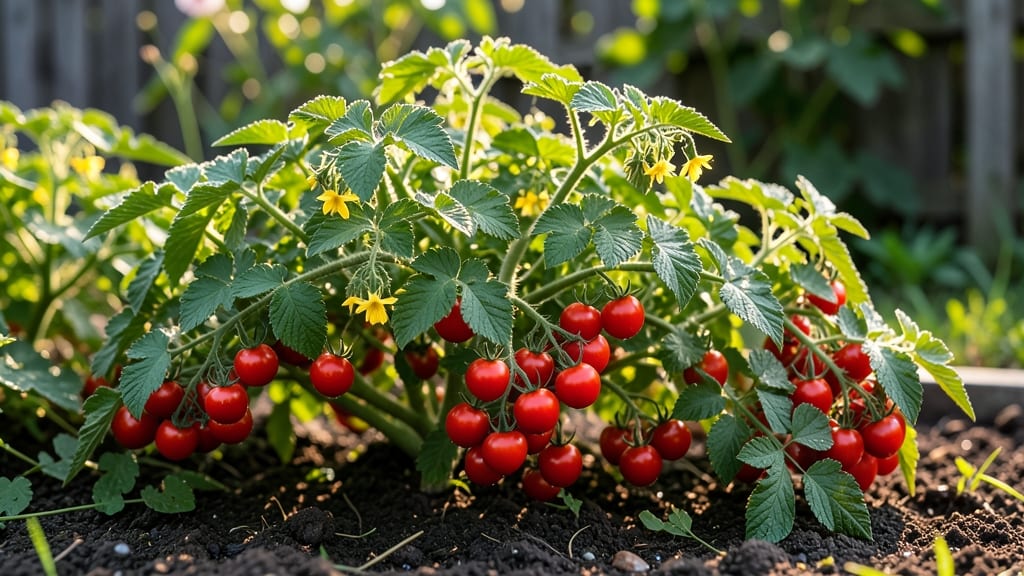
Matt's Wild Cherry Tomato plant delivers clusters of sweet, tangy fruit that turn every bite into a summer memory. 🌱 I fell for this heirloom after my first harvest—those tiny red jewels kept coming, long after store-bought varieties had faded.
The secret lies in its vigorous growth habit and relentless productivity, but only if you give it the right conditions. This plant thrives in full sun (6-8 hours daily) and well-draining soil with a pH between 6.0-6.8.
The key is balancing its love for warmth with consistent moisture—never let the soil dry out completely, but avoid soggy roots. Stake or cage it early, because those heavy fruit clusters will weigh down vines fast.
By mid-summer, you'll be harvesting pint-sized tomatoes every 2-3 days, each bursting with complex flavor. The plants keep producing until frost, and saved seeds yield identical results. My neighbors now ask for cuttings every spring—once you grow this variety, you'll never go back.
For advanced gardeners, try succession planting or container growing to extend the harvest even further. The real magic happens when you let these tomatoes ripen fully on the vine—their sweetness transforms completely.
📚 In This Guide
- What you need
- Instructions
- Tips and common mistakes
- Wrapping up and next steps
What you need
- ● Matt’s Wild Cherry Tomato Seeds – 5–10 seeds (or 1–2 plants if starting with seedlings).
- ● Containers or Garden Plot – 5-gallon pots (minimum) or a well-draining garden bed (6–8 inches deep).
- ● High-Quality Potting Mix – 10–15 lbs of organic, well-draining soil blend (or garden soil amended with compost).
- ● Fertilizer – Balanced, slow-release fertilizer (10-10-10) or organic options like composted manure.
- ● Support System – Cages, stakes, or trellis (for indeterminate varieties).
- ● Watering Can or Hose – With a gentle spray nozzle for seedlings.
- ● Mulch – Straw or shredded leaves to retain moisture and suppress weeds.
- ● Seed Starting Trays – For indoor germination (if not direct-sowing).
- ● Grow Lights – LED or fluorescent for seedlings (12–16 hours/day).
- ● pH Test Kit – To ensure soil pH is 6.0–6.8 (ideal for tomatoes).
- ● Pruning Shears – For shaping and harvesting.
- ● Drip Irrigation System – For consistent moisture (especially in hot climates).
- ● Tomato Cage or Trellis – 4–6 ft tall for heavy fruit loads.
- ● Epsom Salt – 1 tbsp per plant mid-season for magnesium boost.
Step-by-step instructions for maximizing matt's Wild Cherry tomato plant
Here's how I coax heavy fruit loads from this vigorous variety—no shortcuts, just proven techniques.
🌱 Step 1: Select the Right Location and Prepare the Soil
Matt's Wild Cherry thrives in full sun—at least 6-8 hours daily. I choose the warmest, sunniest spot in my garden because this variety demands heat to set fruit. Amend the soil with 2-3 inches of compost mixed into the top 12 inches to ensure excellent drainage while retaining moisture.
This plant hates soggy roots, so if your soil drains poorly, raise a 12-inch high mound instead of planting in a hole. Test drainage by filling a container with your soil and water—if it drains in 30 minutes, you're good; if not, add more sand or perlite. The goal is soil that feels like a well-wrung sponge.
☀️ Step 2: Plant at the Right Time and Support the Growth
Wait until after your last frost date and soil temperatures reach 60°F before planting. I use 5-foot bamboo stakes inserted 6 inches deep at planting time to support the plant's vigorous growth. Tie the main stem loosely with soft cloth strips every 12 inches as it grows—this prevents stem damage while allowing expansion.
Plant 18-24 inches apart in rows 3 feet apart to give roots room to spread. Bury the plant slightly deeper than its container—up to ⅓ of the stem—to encourage stronger root development. Water deeply after planting to settle the soil and eliminate air pockets around roots.
💧 Step 3: Water Strategically for Heavy Fruit Set
Water deeply 2-3 times weekly during fruit development, aiming for 1-1.5 inches of water per week. I use a soaker hose at the base to keep foliage dry, which prevents fungal diseases like early blight. Water in the morning so leaves dry quickly—wet foliage at night invites trouble.
Stop watering 2 weeks before harvest to concentrate flavors. You'll know you're doing it right when the soil feels dry 2 inches down between waterings. Overwatering leads to blossom-end rot, while underwatering causes fruit to split. This variety needs balance—like Goldilocks, not too much, not too little.
✂️ Step 4: Prune for Airflow and Fruit Production
Remove suckers (the shoots in the leaf axils) weekly to redirect energy to fruit production. I prune with clean shears, cutting ¼ inch above the leaf to prevent disease entry. Leave 3-4 main stems for best airflow and fruit load—more stems mean smaller fruit.
Pinch off the first few flowers to encourage stronger vine growth. Once the plant establishes 5-6 leaves, let it flower freely. Remove any leaves touching the soil to prevent rot. This variety produces heavy clusters, so I also thin fruit to 2-3 per stem to prevent overburdening branches.
🌿 Step 5: Fertilize for Consistent Heavy Yields
Feed every 3-4 weeks with a balanced 10-10-10 fertilizer mixed at ½ the recommended rate to avoid burning roots. I switch to a low-nitrogen, high-phosphorus formula (like 5-10-10) when flowers appear to boost fruit development.
Work a 1-inch layer of compost around the base monthly to replenish nutrients. Stop fertilizing 4-6 weeks before harvest to prevent bitter flavors. You'll see heavy fruit loads when leaves stay deep green and stems remain sturdy—never leggy or yellowing.
Tips & tricks for perfect matt's Wild Cherry tomato plant growth
These key strategies will help you coax the absolute best performance from Matt's Wild Cherry variety—where most gardeners fall short.
Sunlight Optimization: While the instructions call for 6-8 hours of sun, I've found that positioning your plant to catch the late afternoon sun (between 2-5 PM) makes a dramatic difference. This variety thrives on intense heat during fruit development, so if you notice fruit setting but not ripening, move the plant to a sunnier location or use reflective mulch on the north side to bounce extra light onto the plant.
Staking System Upgrade: The 5-foot bamboo stakes work, but I recommend adding a second stake at planting time positioned at a 45-degree angle to create a natural trellis effect. This prevents the plant from leaning and allows for better air circulation around the fruit clusters. Secure the main stem to both stakes using soft garden twine—this creates a more stable structure for those heavy cherry tomato loads.
Watering Precision: The 2-3 weekly watering schedule is perfect, but timing matters just as much as quantity. I set up a drip irrigation system on a timer for 10 minutes every morning at 7 AM. This ensures consistent moisture without wetting the foliage, which is crucial for preventing fungal diseases. If you don't have drip irrigation, water at the soil base using a watering can with a long spout to avoid leaf contact.
Fertilizer Timing Secret: When switching to the 5-10-10 formula during flowering, I mix it with water and apply it as a foliar spray in addition to soil application. This gives the plant an immediate phosphorus boost right where it's needed—on the leaves and flowers. Just be sure to do this in the early morning so the leaves have time to dry completely before evening.
Pro Tips for Matt'S Wild Cherry Tomato Plant
- These key strategies will help you coax the absolute best performance from Matt's Wild Cherry variety—where most gardeners fall short.
- Sunlight Optimization: While the instructions call for 6-8 hours of sun, I've found that positioning your plant to catch the late afternoon sun (between 2-5 PM) makes a dramatic difference.
- Staking System Upgrade: The 5-foot bamboo stakes work, but I recommend adding a second stake at planting time positioned at a 45-degree angle to create a natural trellis effect.
Frequently asked questions
Got questions about growing Matt’s Wild Cherry Tomato Plant? You’re not alone! Here are some of the most common queries—plus quick, actionable answers to keep your vines thriving and your harvests bursting with flavor.
When is the best time to plant Matt’s Wild Cherry Tomatoes?
For optimal results, plant after the last frost when soil temps hit at least 60°F (15°C). Start seeds indoors 6-8 weeks before transplanting if your growing season is short. If you’re in a warm climate, direct-sow in early spring—just protect seedlings from cold snaps with row covers or cloches. Pro tip: Cherry tomatoes hate cold feet, so wait for the soil to warm up!
How long does it take for Matt’s Wild Cherry Tomatoes to produce fruit?
From seed to harvest, expect 60-75 days in ideal conditions. If you’re transplanting seedlings, fruit may appear in 45-60 days. Patience is key—cherry tomatoes need time to establish roots and set flowers. Boost speed: Prune suckers early, fertilize with tomato-specific feed, and ensure full sun (6+ hours daily).
What pests or diseases should I watch for with Matt’s Wild Cherry Tomatoes?
Common culprits include aphids, hornworms, and whiteflies, plus fungal issues like blight or powdery mildew. Prevent pests: Use neem oil or insecticidal soap; handpick hornworms. For disease, space plants 18-24” apart for airflow and water at the base (not leaves). Red flag: Yellow leaves + brown spots = early blight—remove infected foliage immediately!
Can I grow Matt’s Wild Cherry Tomatoes in containers, or do they need a garden bed?
These compact plants thrive in 5-gallon containers or larger with proper drainage. Use a lightweight potting mix and a cage or trellis to support vines. Container hack: Add a time-release fertilizer at planting and supplement with liquid feed every 2-3 weeks. Just ensure pots get sun and consistent moisture—they dry out faster in containers!
What’s the deal with blossom end rot? How can I prevent it in Matt’s Wild Cherry Tomatoes?
Blossom end rot is caused by calcium deficiency or inconsistent watering, showing as dark, sunken spots on fruit. Fix it fast: Apply crushed eggshells or calcium spray; mulch to retain moisture. Prevent it: Water deeply 1-2 times weekly (never let soil dry out completely) and avoid fluctuating temps. Bonus: A balanced fertilizer with micronutrients helps too!
Can I save seeds from Matt’s Wild Cherry Tomatoes for next year?
Yes! Let a few tomatoes fully ripen on the vine, then scoop out seeds with pulp. Ferment the mix in water for 2-3 days (this removes mold), rinse seeds, and dry on a paper towel. Store in a cool, dark place. Note: Seed-saving may alter traits slightly over generations, but it’s a fun (and free!) way to propagate your favorite variety.
Wrapping up and next steps
Growing Matt’s Wild Cherry tomato plant is a rewarding journey that brings vibrant flavor and lush greenery to your garden—or even your windowsill! 🌱 With the right care, these prolific plants will burst with sweet, tangy cherry tomatoes, turning your space into a mini harvest haven.
Whether you’re a seasoned gardener or just starting out, the key is patience, consistency, and a little love for your leafy friend.
Now that you’re armed with tips, troubleshooting tricks, and expert advice, it’s time to roll up your sleeves and get planting! Start by grabbing those seeds or seedlings, and soon you’ll be savoring the fruits of your labor—literally. Happy growing! 🌿✨