
Planting
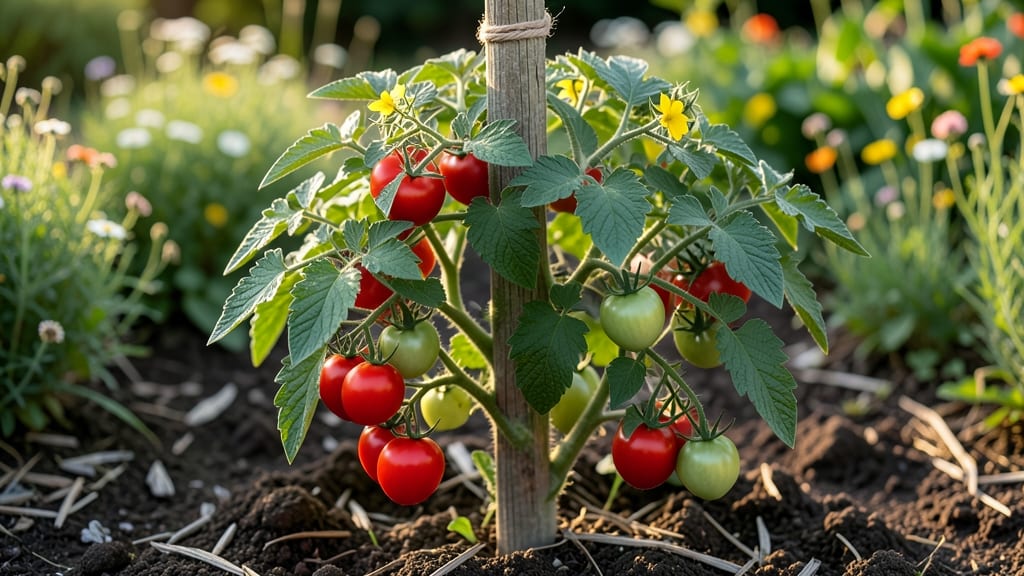
Growing a Husky Cherry Red tomato plant means sweet, cold-resistant tomatoes even in cooler climates. 🌱 I’ve grown them for years, and they’ve never failed me—not even when other varieties wilted in early spring.
These tomatoes thrive where others struggle, producing bursts of bright red, grape-sized fruit that burst with flavor.
The secret to their success lies in their cold tolerance and adaptability. They handle cooler temperatures better than most tomatoes, making them perfect for early spring or fall planting.
Just give them 6-8 hours of sunlight daily, well-draining soil, and consistent moisture, and they’ll reward you with a steady harvest from June through frost.
You’ll love the explosion of flavor—these tiny tomatoes pack a punch, balancing sweetness and tang. They’re also disease-resistant, so you’ll spend less time fighting blight and more time enjoying fresh, homegrown fruit. Plus, they’re great for snacking, salads, or preserving.
Whether you’re a beginner or a seasoned gardener, Husky Cherry Reds are foolproof for reliable yields. Start seeds indoors 6-8 weeks before your last frost, transplant carefully, and watch them flourish. Here’s how to get the most out of your plants—no green thumb required!
📚 In This Guide
- What you need
- Instructions
- Tips and common mistakes
- Wrapping up and next steps
What you need
- ● Husky Cherry Red tomato seeds or seedlings: 1–3 plants (start indoors 6–8 weeks before the last frost or buy healthy nursery starts).
- ● Well-draining potting mix: 5–10 lbs (for containers) or enrich your garden soil with compost (1–2 inches mixed into the top 6–12 inches of soil).
- ○ Containers (optional but helpful): 5-gallon pots or larger (if growing in containers).
- ● Fabric grow bags (for better aeration).
- ● Fertilizer: Balanced 10-10-10 or organic options like fish emulsion or compost tea (follow package rates).
- ● Stakes or cages: 5–6 ft tall (tomatoes grow tall!).
- ● Mulch: Straw or shredded leaves (2–3 inches) to retain moisture and suppress weeds.
- ● Watering can or hose with a gentle spray nozzle.
- ● Pruning shears: For shaping the plant and removing suckers.
- ● Grow lights: If starting seeds indoors (12–16 hours of light/day).
- ● Drip irrigation system: For consistent moisture (especially in hot climates).
- ● Row covers: Lightweight fabric to protect young plants from pests or late frosts.
- ● Epsom salt: A handful mixed into soil at planting for extra magnesium (boosts fruit production!).
- ● Plant markers: To label your Husky Cherry Reds (they’re easy to forget!).
Step-by-Step guide to growing Husky Cherry Red tomatoes
This cold-hardy variety thrives in cooler climates—here’s how to coax the sweetest harvests from your plants.
🌱 Step 1: Start Seeds Indoors for Early Growth
The Husky Cherry Red’s cold tolerance begins with a strong start. Plant seeds 6-8 weeks before your last frost date in 2-3 inch deep biodegradable pots filled with sterile seed-starting mix. Press seeds ¼ inch deep—any deeper and they’ll struggle to break through. Keep soil consistently moist at 70-75°F using a seedling heat mat if needed.
Germination takes 7-14 days, but don’t rush to water once sprouts appear. Overhead moisture invites damping-off, a fungal disease that collapses seedlings overnight. Instead, bottom-water by setting pots in ½ inch of water for 10 minutes until the soil surface feels damp but not soggy.
☀️ Step 2: Harden Off and Transplant After Frost
Husky Cherries handle cooler soil better than most tomatoes, but they still need acclimation. When seedlings show 2-3 true leaves (not just the initial cotyledons), begin hardening off by placing them outdoors in morning sun for 1-2 hours the first day. Gradually increase exposure over 10-14 days, ending with full sun by day 7.
Transplant after soil reaches 50°F—warmer than most varieties tolerate. Bury stems ⅓ deep to encourage root development from the buried stem. Space plants 18-24 inches apart in rows 3 feet apart to allow airflow and prevent disease.
💧 Step 3: Water Deeply and Mulch for Cold Resilience
Husky Cherries thrive with 1-1.5 inches of water weekly, delivered at the base to avoid wetting foliage. Let the top 1-2 inches of soil dry between waterings—consistent moisture prevents blossom-end rot, a common issue in cooler climates. Mulch with 2-3 inches of straw or shredded leaves to retain soil warmth and suppress weeds.
This variety’s cold tolerance shines when soil stays above 55°F. If nights dip below 50°F, use row covers or cloches to protect flowers and developing fruit. You’ll notice the plants’ dark green, slightly waxy leaves—signs of their robust constitution.
✂️ Step 4: Prune and Support for Heavy Fruit Loads
Remove suckers (the shoots that form in the leaf axils) to direct energy to fruit production. Husky Cherries produce prolifically, so prune 1-2 main stems to 4-5 feet tall, removing side shoots that compete with fruit. Stake or cage plants early—their clusters of 1-inch red cherries can weigh branches down.
Harvest begins 65-70 days after transplanting, but don’t wait for full red color. Green cherries are still sweet and burst with flavor. Pick in the morning when sugars are highest, and you’ll encourage more blooms to form.
🌿 Step 5: Extend the Season with Cold Protection
Husky Cherries keep producing until first frost, but a light frost will damage leaves. Use row covers or move pots indoors to a sunny window if temperatures drop below 28°F. The plants may look stressed, but they’ll bounce back with proper care.
Fertilize lightly with balanced 10-10-10 at planting and again when fruit sets. Too much nitrogen leads to leafy growth at the expense of fruit. Instead, focus on consistent moisture and protection from late-season pests like hornworms.
Tips & tricks for perfect Husky Cherry Red tomato cultivation
These cold-hardy plants reward patience with a bountiful harvest—here's how to maximize their potential without common pitfalls.
Seed Starting Success: The 6-8 week indoor starting window is critical for cold climates. Use a seedling heat mat to maintain that 70-75°F soil temperature consistently—fluctuations slow germination. I've found that placing pots on a heating pad under a grow light creates the perfect environment. The ¼ inch depth for planting seeds is non-negotiable; deeper planting can cause seedlings to struggle or rot before emerging.
Harden Off Strategically: That gradual 10-14 day hardening process in Step 2 prevents transplant shock. I recommend starting with just 1-2 hours of morning sun on day one—this mimics natural daylight patterns. Watch for wilting as a sign to reduce exposure. The key is gradual acclimation to prevent sunburn on tender new leaves. By day 7, when you've reached full sun, your seedlings should look robust and ready for transplanting.
Cold Protection Secrets: The 55°F soil temperature threshold is where Husky Cherries truly shine. When nights dip below 50°F, I've had great success with lightweight row covers that allow sunlight while trapping warmth. For true emergencies below 28°F, consider moving potted plants to a protected indoor space—these tomatoes are tough but not frost-proof. The dark green, waxy leaves are your early warning system; if they start yellowing, it's time to act.
Pruning for Productivity: Those prolific clusters of 1-inch red cherries need support early. I stake plants at transplanting to prevent future bending. When pruning to 1-2 main stems, focus on removing side shoots that form in the leaf axils—these suckers steal energy from fruit production. The goal is to create an open structure that allows sunlight to reach all developing fruit clusters.
Pro Tips for Husky Cherry Red Tomato Plant
- These cold-hardy plants reward patience with a bountiful harvest—here's how to maximize their potential without common pitfalls.
- Seed Starting Success: The 6-8 week indoor starting window is critical for cold climates.
- Harden Off Strategically: That gradual 10-14 day hardening process in Step 2 prevents transplant shock.
Frequently asked questions
Got questions about growing Husky Cherry Red tomatoes? You’re not alone! Here are answers to the most common queries to help you cultivate this cold-hardy, flavor-packed variety with confidence.
How cold can Husky Cherry Red tomatoes tolerate?
This variety is one of the most cold-resistant tomatoes, handling light frosts down to 28°F (-2°C) and even surviving brief dips to 23°F (-5°C). Start seeds indoors 6-8 weeks before your last frost date, then transplant after soil warms to 40°F (4°C). For early harvests, use row covers or cold frames to extend the season.
How long does it take for Husky Cherry Red tomatoes to produce fruit?
Expect a 50-60 day timeframe from transplanting to first harvest, though full production peaks at 65-70 days. Plant early in spring (or late summer for a fall crop) to maximize yields. Patience pays off—these tomatoes reward timely care with bursting flavor!
Can I grow Husky Cherry Red tomatoes in containers?
These compact plants thrive in 5-gallon containers or larger with proper drainage. Use a high-quality potting mix and fertilize regularly (every 2-3 weeks). Place pots in full sun (6+ hours daily) and stake or cage them for support. Just ensure containers stay warm—cold roots slow growth.
What pests should I watch for with Husky Cherry Red tomatoes?
Common threats include hornworms, aphids, and whiteflies. Handpick hornworms (they’re huge and easy to spot!) and blast aphids off with water. For prevention, rotate crops yearly and use row covers early in the season. Neem oil is a gentle, effective organic remedy for most pests.
Why aren’t my Husky Cherry Red tomatoes ripening?
Blame cool temperatures, lack of sunlight, or overcrowding. Ensure plants get 6+ hours of direct sun daily and thin seedlings to 18-24 inches apart. If nights stay below 55°F (13°C), use black plastic mulch to warm the soil. For indoor growers, supplement with a grow light to mimic summer conditions.
Wrapping up and next steps
The Husky Cherry Red tomato plant is your ticket to a reliable, cold-hardy harvest—perfect for gardeners in cooler climates or those seeking early-season success! 🌱 With minimal fuss and big flavor rewards, this variety proves that growing tomatoes can be both productive and resilient.
Whether you’re a beginner or a seasoned gardener, adding this tomato to your plot is a smart, satisfying choice.
Ready to plant with confidence? Start by gathering your supplies, prepping your soil, and giving these tomatoes the love they deserve. Your next harvest is just a seed away!