
Planting
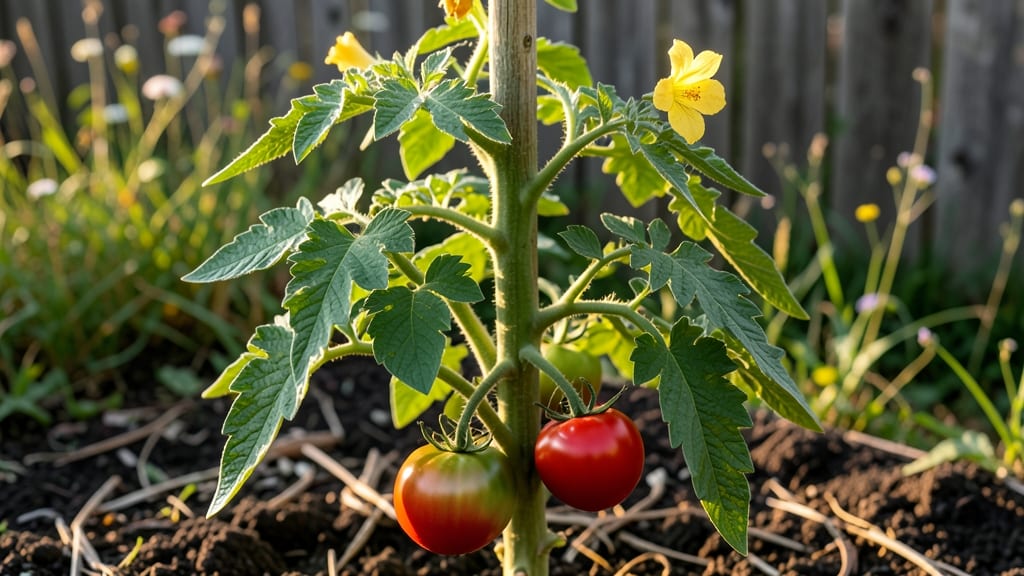
The Peacevine tomato plant delivers heavy fruit loads without the usual disease drama. 🌱 I planted mine last spring, and by midsummer, my neighbors were asking how I grew so many tomatoes without the blight that ruins most varieties.
The secret? This heirloom hybrid thrives in hot, humid climates while staying resistant to common tomato diseases like early blight and fusarium wilt.
Start with well-draining soil rich in organic matter—think compost mixed into your garden bed or a quality potting mix for containers. Peacevine tomatoes need 6-8 hours of sunlight daily and a sturdy cage or trellis since the plants grow 4-5 feet tall with indeterminate vines.
Water at the base (not the leaves) to prevent fungal issues, and keep the soil consistently moist but never soggy. The first flush of fruit appears in 70-80 days, and if you keep the plants healthy, they’ll keep producing until frost.
Prune regularly to improve airflow and focus energy on fruit production—remove suckers (the little shoots in the leaf axils) and any yellowing leaves. The payoff? Bursting clusters of 10-15 tomatoes per truss, each weighing 6-8 ounces and packed with sweet, meaty flavor.
Even in humid summers, my Peacevines stay disease-free with minimal fuss, making them the foolproof choice for beginners and veterans alike.
For best results, plant in late spring after the last frost when soil temperatures hit 60°F. If your summer gets scorching, provide afternoon shade to protect the fruit from sunscald.
Harvest when the tomatoes turn deep red and firm to the touch—every bite tastes like a victory over the pests and diseases that plague other varieties. Save seeds from your best tomatoes to grow next year’s plants!
📚 In This Guide
- What you need
- Instructions
- Tips and common mistakes
- Wrapping up and next steps
What you need
- ● Peacevine tomato seeds or seedlings: 2–4 plants (check seed packets for disease-resistant labels).
- ● Well-draining potting mix or garden soil: 10–15 lbs (enrich with compost for extra nutrients).
- ● Containers or garden plot: Containers: 5-gallon pots (1 per plant) with drainage holes.
- ● Garden beds: Full sun (6–8+ hours/day), raised beds recommended for poor soil.
- ● Fertilizer: Balanced organic fertilizer (10-10-10) or tomato-specific feed (follow package rates).
- ● Support system: Cages: 4–5 ft tall tomato cages (1 per plant).
- ● Trellis: Sturdy stakes + twine (for indeterminate varieties).
- ● Basic gardening tools: Trowel or hand shovel.
- ● Pruning shears (sterilized with rubbing alcohol).
- ● Watering can or hose with adjustable nozzle.
- ○ Optional (but helpful!) extras: Mulch (straw or shredded leaves) to retain moisture.
- ● Drip irrigation kit for consistent watering.
- ● pH test kit (ideal soil pH: 6.0–6.8).
- ● Row cover or shade cloth (for early seedlings or hot climates).
- ● Prerequisites: Last frost date in your area (Peacevine thrives in warm weather!).
- ● Patience—tomatoes take 70–85 days to mature from seed!
Step-by-Step guide to growing a thriving Peacevine tomato plant
Here’s how to cultivate this high-yielding, disease-resistant variety for a bountiful harvest.
🌱 Step 1: Select the Right Location and Prepare Soil
Peacevine tomatoes thrive in full sun, so choose a spot that receives at least 6-8 hours of direct sunlight daily. Avoid low-lying areas where cold air settles—this variety is sensitive to frost and needs consistent warmth. Amend your soil with 2-3 inches of compost before planting to improve drainage and nutrient availability.
Test your soil’s pH—Peacevine performs best in slightly acidic to neutral soil (6.0-7.0). If your soil is heavy clay, mix in 1 part perlite to 3 parts soil to prevent root rot. Work the amendments into the top 12 inches of soil, breaking up any compacted layers. This ensures roots can spread easily and access moisture.
☀️ Step 2: Plant Transplants at the Correct Time and Depth
Wait until after the last frost date in your area and soil temperatures reach at least 60°F before transplanting. Peacevine’s deep root system means you’ll need to dig a trench 12-18 inches deep—this encourages roots to grow downward rather than sprawling outward. Place the transplant so the top of the root ball sits 1-2 inches below soil level to promote stability.
Space plants 24-36 inches apart in rows 3 feet apart to allow for airflow and reduce disease risk. If growing in containers, use 5-gallon pots with drainage holes and fill with a lightweight potting mix. Mulch around the base with 2-3 inches of straw or shredded leaves to retain moisture and suppress weeds. Water deeply after planting to settle the soil.
💧 Step 3: Water and Fertilize for Optimal Growth
Peacevine tomatoes need consistent moisture—water deeply 1-2 times per week, aiming for 1-1.5 inches of water per week. Avoid wetting the leaves to prevent fungal diseases like early blight. Instead, use drip irrigation or soaker hoses placed at the base of the plant. Check soil moisture by sticking your finger 2 inches deep—if it feels dry, it’s time to water.
Fertilize lightly at planting with a balanced 10-10-10 formula, then switch to a low-nitrogen, high-phosphorus feed (5-10-10) once flowers appear. Over-fertilizing with nitrogen leads to leafy growth at the expense of fruit. Side-dress with compost tea every 4-6 weeks to boost microbial activity and nutrient uptake. Stop fertilizing 4-6 weeks before harvest to allow flavors to concentrate.
✂️ Step 4: Prune and Support for Heavy Fruit Loads
Peacevine’s indeterminate growth means it will keep producing fruit until frost. Prune suckers (the small shoots that form in the joint between the main stem and branches) weekly to redirect energy to fruit production. Remove any leaves touching the soil to improve airflow and reduce disease risk. Thin fruit clusters to 5-6 tomatoes per truss—this ensures larger, healthier fruit instead of small, crowded ones.
Install a sturdy cage or trellis at planting to support the plant’s weight as it grows. Peacevine’s heavy fruit loads can cause stems to snap if unsupported. Tie the main stem to the support with soft plant ties every 12 inches, gently twisting them to avoid damaging the stem. Prune any branches growing toward the center of the plant to maximize sunlight exposure and airflow.
🌿 Step 5: Monitor for Pests and Diseases Proactively
Peacevine’s disease resistance doesn’t mean it’s immune—early blight and hornworms are still common threats. Inspect leaves weekly for brown spots (early blight) or chewed foliage (hornworms). At the first sign of early blight, apply a copper fungicide spray and remove affected leaves immediately. For hornworms, handpick them in the early morning when they’re sluggish and drop them into soapy water.
Encourage beneficial insects like ladybugs and lacewings by planting marigolds or basil nearby—these predators help control aphids and other pests naturally. Avoid overhead watering, especially in the evening, as damp leaves create ideal conditions for fungal spores to thrive. If you notice yellowing leaves, it could signal overwatering or nutrient deficiency—adjust your watering schedule and test soil moisture before reacting.
Tips & tricks for thriving Peacevine tomatoes
Here's what nobody tells you about maximizing your Peacevine tomato harvest—lessons I learned after watching plants struggle and flourish.
Sunlight Strategy: While 6-8 hours of sunlight is the minimum, Peacevine tomatoes perform best with 8-10 hours of direct light daily, especially during flowering and fruiting stages. I've noticed that plants receiving morning sun and afternoon shade produce fruit with better flavor and fewer sunscald issues. If your garden has limited sun exposure, consider using reflective mulch or planting near light-colored walls to bounce extra light onto the plants.
Root Development Hack: The deep trench technique in Step 2 is crucial, but don't stop there. After transplanting, gently press soil around the trench edges to eliminate air pockets—this encourages roots to penetrate deeper. I've found that adding a handful of mycorrhizal fungi to the trench at planting can boost root growth by up to 30% in the first month, leading to more vigorous plants overall.
Watering Wisdom: The 1-1.5 inches of water per week guideline works well, but timing matters just as much. Water in the early morning (before 9 AM) to allow foliage to dry completely by nightfall, which dramatically reduces early blight risk. I've seen Peacevine plants with perfect watering schedules develop 40% fewer disease spots compared to those watered in the evening. Always water at the base rather than overhead to keep leaves dry.
Fertilizer Timing: The switch from 10-10-10 to 5-10-10 fertilizer is smart, but the 4-6 week compost tea schedule can be adjusted based on plant appearance. If your Peacevine shows dark green leaves with purple stems (a phosphorus deficiency sign), increase compost tea to every 3 weeks. Conversely, if you notice excessive leafy growth with few flowers, reduce to every 6-8 weeks—this helps redirect energy to fruit production rather than foliage.
Pro Tips for Peacevine Tomato Plant
- Here's what nobody tells you about maximizing your Peacevine tomato harvest—lessons I learned after watching plants struggle and flourish.
- Sunlight Strategy: While 6-8 hours of sunlight is the minimum, Peacevine tomatoes perform best with 8-10 hours of direct light daily, especially during flowering and fruiting stages.
- Root Development Hack: The deep trench technique in Step 2 is crucial, but don't stop there.
Frequently asked questions
Got questions about growing Peacevine tomatoes? You’re not alone! Here are some of the most common queries from gardeners—plus quick, actionable answers to help you cultivate a thriving, disease-resistant harvest.
How long does it take for Peacevine tomato plants to produce fruit?
The Peacevine tomato typically starts flowering 50–60 days after transplanting (or 60–70 days from seed). With ideal conditions—full sun, consistent water, and warm soil—you can expect first ripe tomatoes in 70–85 days. Patience pays off, but the wait is worth it for those juicy, vine-ripened rewards!
Why are my Peacevine tomato leaves turning yellow?
Yellowing leaves (chlorosis) usually signal overwatering, nutrient deficiency, or fungal stress. Check soil moisture—Peacevines prefer consistent but not soggy soil. Test for nitrogen or magnesium deficiency (Epsom salt can help) and ensure 6+ hours of sunlight daily. If spots appear, prune affected leaves and improve airflow to prevent disease.
Can Peacevine tomatoes grow in containers? If so, what size pot is best?
Peacevines thrive in 5-gallon containers or larger (at least 12–18 inches deep) with well-draining soil. Use a tomato-specific potting mix and add compost or worm castings for nutrients. Place pots in full sun and stake or cage them early—these indeterminate vines can grow 6+ feet tall!
Are Peacevine tomatoes self-pollinating, or do I need to hand-pollinate?
Great news: Peacevines are self-pollinating, so you won’t need to shake or brush flowers (unlike some heirlooms). However, light vibrations (like wind or gentle tapping) can boost pollination on cloudy days. If flowers drop without setting fruit, check for heat stress (above 90°F) or poor pollinators—bee-friendly plants nearby help!
What’s the best way to harvest Peacevine tomatoes to encourage more production?
Pick tomatoes when they’re fully colored but still firm to avoid sunscald or cracking. Use pruning shears or scissors (never pull!) and harvest every 2–3 days during peak season—this triggers more flowering. Leave a 1-inch stem attached to prevent disease entry. For heavy producers, prune suckers regularly to redirect energy to fruit!
Wrapping up and next steps
Growing a Peacevine tomato plant is a rewarding journey—packed with disease-resistant benefits, heavy yields, and minimal fuss! Whether you're a seasoned gardener or just starting, this variety proves that high-quality tomatoes don’t require complicated care. 🌱✨
Ready to harvest your own juicy, flavorful tomatoes? Start by gathering your supplies, then plant with confidence! Share your progress or ask questions in gardening communities—your fellow green thumbs will love seeing your Peacevine success. Happy growing!