
Pests
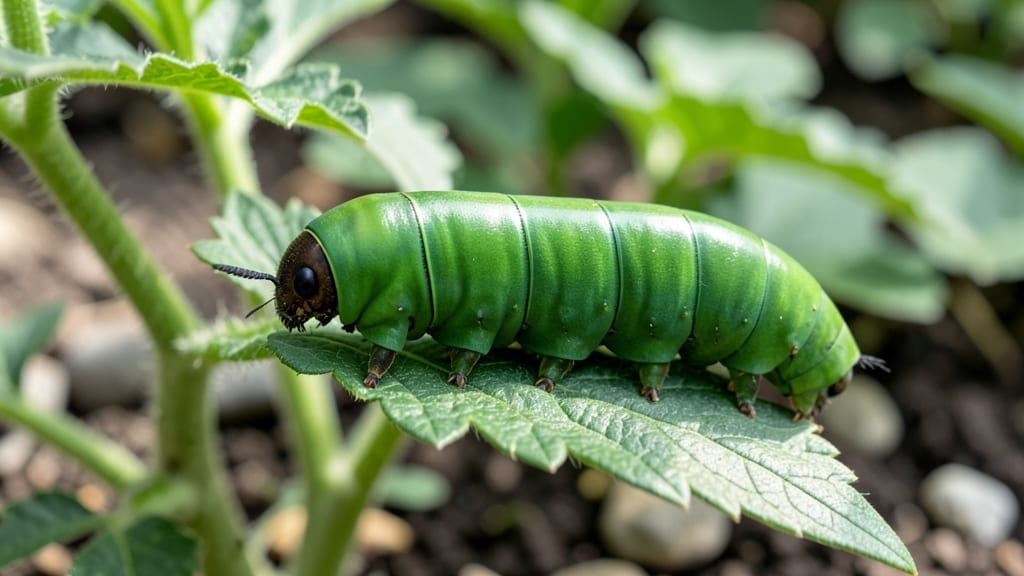
That large green caterpillar on tomato plant munching your tomatoes isn’t just a nuisance—it’s a tomato hornworm, and it’s eating your harvest alive. 🌱 I’ve battled these striped bandits every summer, and I’ve learned the fastest, most effective ways to remove them without harming your plants or fruit.
The damage is unmistakable: skeletonized leaves, missing flower buds, and half-eaten tomatoes. But here’s the good news—hornworms are easy to spot (look for their distinctive white diagonal stripes) and even easier to remove with the right tools. You’ll need a pair of gloves, a jar, and a little patience.
Within 10 minutes, you can pluck these caterpillars off your plants and toss them into soapy water. The key is acting fast—these guys grow from tiny eggs to full-sized munchers in just two weeks, so regular inspections are a must.
Prevention is even simpler: plant basil, dill, or marigolds nearby, and ladybugs will do the dirty work for you. Here’s how to keep your tomatoes safe all season long.
📚 In This Guide
- What you need
- Instructions
- Tips and common mistakes
- Wrapping up and next steps
What you need
- ● Gloves (nitrile or cotton) – 1 pair (to protect your hands from prickly plants or pests).
- ● Small container or jar (with lid) – 1 (for safely relocating the caterpillar, like a mason jar or plastic cup).
- ● Trowel or small shovel – 1 (to gently dig around the plant’s base if needed).
- ● Neem oil (100% pure, cold-pressed) – 1 small bottle (for a natural pesticide spray).
- ● Spray bottle (8–16 oz) – 1 (to mix and apply neem oil solution).
- ● Diatomaceous earth (food-grade) – 1 small bag (acts as a natural barrier for future prevention).
- ● Watering can or hose with a gentle nozzle – 1 (to rinse plants after treatment).
- ● Magnifying glass – 1 (to inspect leaves/stems for eggs or hidden caterpillars).
- ● Sticky traps (yellow or blue) – 2–3 (to catch adult moths before they lay eggs).
- ● Bacillus thuringiensis (Bt) spray – 1 bottle (a targeted organic pesticide for caterpillars).
- ● Pruning shears – 1 pair (to trim heavily infested leaves if needed).
- ● Garden twine or row covers – 1 roll (to protect plants long-term from moths).
Swift organic removal of large green caterpillars from tomato plants
Here’s how to handle those pesky tomato hornworms—naturally, efficiently, and without sacrificing your harvest.
🌿 Step 1: Identify and Confirm the Caterpillar Type
The large green caterpillar you’re seeing is almost certainly a tomato hornworm (Manduca sexta), identifiable by its smooth, bright green body and white diagonal stripes. Look for a small horn-like projection at the rear end—this confirms it’s a hornworm, not another caterpillar. Hornworms can grow up to 4 inches long and devour entire leaves overnight, so quick action is key.
Check the underside of leaves and stems first—hornworms often hide there to avoid predators. If you spot one, note its size: small ones (under 1 inch) are easier to remove by hand, while larger ones may require a different approach. This step ensures you’re targeting the right pest and avoids unnecessary interventions for harmless insects.
✂️ Step 2: Remove the Caterpillar by Hand or Tool
For small hornworms (under 1.5 inches), grasp them firmly by the body—avoid the head to prevent regurgitating stomach contents onto the plant, which can spread bacteria. Drop them into a bucket of soapy water (1 tablespoon dish soap per gallon) to kill them instantly. If the caterpillar is larger or you’re squeamish, use a tweezers or tongs to pick it up without direct contact.
For stubborn or hidden caterpillars, slide a plastic spoon or butter knife under their body to lift them off the plant. Work quickly to minimize stress on the tomato plant—hornworms release a foul-smelling fluid when threatened, which can deter predators like parasitic wasps that naturally control their population. After removal, inspect nearby leaves for eggs (small, green, and laid in clusters) and scrape them off with your fingernail.
🌱 Step 3: Encourage Natural Predators to Reduce Future Infestations
Hornworms have natural enemies that can help keep their numbers in check. Parasitic wasps (Cotesia congregata) lay eggs inside hornworm larvae, eventually killing them. To attract these beneficial insects, avoid using broad-spectrum pesticides and plant dill, fennel, or parsley nearby—these herbs act as nectar sources for adult wasps. You might even spot tiny white cocoons on a hornworm’s back, which is a sign these predators are already at work.
Birds like chickadees and wrens also eat hornworms. Install a bird feeder or bath within 20 feet of your tomato plants to encourage their presence. Even a simple shallow dish of water will attract them. If you’re growing tomatoes in containers, place them near bird-friendly plants like marigolds or cosmos to create a more inviting habitat for these natural pest controllers.
💧 Step 4: Apply Organic Sprays as a Last Resort
If hornworms persist despite manual removal and predator encouragement, use organic sprays like neem oil or kaolin clay. Mix 1 tablespoon of neem oil with 1 teaspoon of mild liquid soap in 1 quart of water, then spray the solution on the undersides of leaves where caterpillars hide. Reapply every 5-7 days or after rain, as neem oil breaks down quickly in sunlight. Avoid spraying when bees are active, as neem can harm them.
For a non-toxic alternative, try kaolin clay, a white, chalky substance that coats leaves and makes them unappetizing to caterpillars. Mix 1 cup of kaolin clay with 1 gallon of water and apply it in the early morning to prevent leaf burn from UV exposure. This method is safe for beneficial insects and won’t harm your tomato fruit, making it ideal for organic gardens.
☀️ Step 5: Monitor and Prevent Future Outbreaks
After removing hornworms, check your tomato plants daily for new eggs or larvae, especially in the morning or evening when caterpillars are most active. Focus on the lower leaves and stems, as these are prime hiding spots. If you notice chewed leaves or black droppings, act quickly—hornworms can strip a plant bare in 24-48 hours. Keep a small magnifying glass handy to spot tiny eggs before they hatch.
To prevent future infestations, rotate crops annually—hornworms overwinter in the soil, so avoid planting tomatoes or other nightshades (like peppers or eggplants) in the same spot each year. If you’re growing tomatoes in containers, move them to a new location each season to disrupt the hornworm life cycle. Finally, remove volunteer tomato plants and weeds like henbit or ground cherry, which can also host hornworms.
Tips & tricks for effective tomato hornworm removal
These targeted strategies will help you tackle hornworms efficiently while protecting your tomato plants—and your sanity.
Timing Secret: The morning or evening is the absolute best time to inspect your plants. Hornworms are most active during these cooler periods, making them easier to spot on the undersides of leaves. I've found that even a 10-minute morning check can catch new eggs before they hatch, saving you from a full-blown infestation later. This daily habit prevents those "overnight leaf disappearance" surprises that always catch gardeners off guard.
Tool Upgrade: Keep a magnifying glass (even a cheap 2x or 3x version) and a pair of tweezers or tongs handy—these are your secret weapons. The magnifying glass lets you spot tiny eggs (just 1/16-inch long) that look like tiny green grains, while the tongs prevent direct contact with those foul-smelling fluids. I keep mine in a small mesh bag clipped to my gardening apron so I'm always prepared when I spot suspicious activity on my tomato plants.
Predator Partnership: The 20-foot rule for bird feeders and baths is non-negotiable if you want natural pest control. Chickadees and wrens will patrol your garden once they discover this food source, and they're particularly effective at hunting down hornworms. I've seen them carry off caterpillars twice as big as themselves—nature's cleanup crew at work! Place feeders at eye level for birds (about 5 feet high) and keep water dishes shallow to prevent drowning.
Spray Strategy: When using neem oil or kaolin clay, focus on the undersides of leaves where hornworms hide. For neem oil, mix it in the late afternoon so it has time to dry before nightfall—this prevents potential harm to bees that might be active in the evening. I've found that adding a drop of dish soap (just 1 teaspoon per quart) helps the solution stick better to leaf surfaces, making it more effective against those sneaky caterpillars.
Pro Tips for Large Green Caterpillar On Tomato Plant
- These targeted strategies will help you tackle hornworms efficiently while protecting your tomato plants—and your sanity.
- Timing Secret: The morning or evening is the absolute best time to inspect your plants.
- Tool Upgrade: Keep a magnifying glass (even a cheap 2x or 3x version) and a pair of tweezers or tongs handy—these are your secret weapons.
Frequently asked questions
Got questions about those pesky large green caterpillars on your tomato plants? You’re not alone! Here are some of the most common concerns—and quick, actionable answers to keep your garden thriving.
What kind of caterpillar is eating my tomato leaves?
The most likely culprits are hornworms (green with white stripes) or tomato fruitworms (green with black spots). Both are common pests in tomato gardens. Identifying them helps you choose the right removal method—like handpicking or organic sprays.
How fast will they destroy my tomato plants if I don’t act?
These caterpillars can devour entire leaves in 24–48 hours and even chew through fruit. While they won’t kill the plant overnight, unchecked infestations weaken vines, reduce yield, and invite secondary pests. Act within 3–5 days for best results.
Are there organic ways to remove them without harming bees or beneficial insects?
Try these bee-safe methods:
- Handpick caterpillars early in the morning (they’re sluggish then). Drop them in soapy water.
- Use neem oil or Bt (Bacillus thuringiensis) spray—both target caterpillars only.
- Introduce parasitic wasps (like Cotesia congregata) naturally.
Will removing caterpillars affect my tomato harvest?
Not if you act early! Removing caterpillars before they reach fruit ensures minimal damage. If they’ve already chewed holes in tomatoes, pick those fruits immediately (they won’t ripen well). Healthy plants bounce back fast with proper care—like pruning damaged leaves and fertilizing.
What if the caterpillars keep coming back?
Persistent infestations often mean eggs are hidden nearby. Check undersides of leaves for tiny white eggs and scrape them off. Also:
- Install row covers to block adult moths from laying eggs.
- Plant basil or marigolds nearby—they repel tomato pests naturally.
- Rotate crops next season to disrupt their life cycle.
Wrapping up and next steps
Encountering a large green caterpillar on your tomato plant can feel alarming, but with the right organic methods, you can protect your garden without harming your fruit—or the environment! 🌱 The key is acting quickly with natural solutions like neem oil, handpicking, or introducing beneficial predators to keep your plants thriving.
Remember, even small steps—like checking plants regularly or creating a pest-friendly habitat—make a big difference.
Ready to take action? Start by inspecting your garden today and try one of the methods shared here. Your tomatoes (and your peace of mind) will thank you!