
Pests
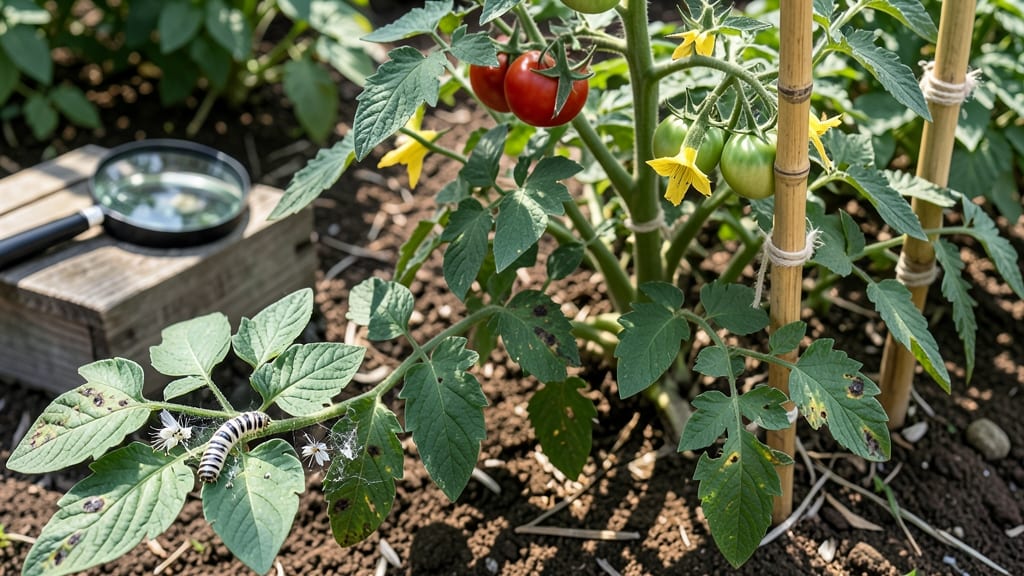
Spotting pictures of tomato pests early saves your harvest—here’s what to watch for. 🌱 Those tiny holes in leaves or sticky residue aren’t just cosmetic; they’re warning signs. I’ve lost entire plants to pests I didn’t recognize until it was too late, but a quick visual guide changes everything.
The most common culprits—aphids, hornworms, and whiteflies—each leave distinct damage. Aphids cluster on new growth, hornworms skeletonize leaves overnight, and whiteflies leave a telltale white, powdery coating. Knowing what to look for means you can act before the infestation spreads.
With the right organic treatments—neem oil, handpicking, or companion planting—you can stop these pests in their tracks. Early detection isn’t just about saving plants; it’s about keeping your garden thriving without resorting to harsh chemicals.
This guide breaks down the visual clues, damage patterns, and simple solutions so you can protect your tomatoes before the season’s halfway over.
Root Causes of Tomato Pest Infestations
Tomato pests don’t just appear out of nowhere—they’re drawn to your garden by specific conditions that make your plants look like an all-you-can-eat buffet. Understanding why these critters show up is the first step to keeping them at bay.
Below, we break down the key factors that turn your tomato plants into pest magnets.
Tomatoes thrive when they have space to breathe, but when plants are too close together, air circulation suffers. This creates the perfect environment for pests like aphids, whiteflies, and spider mites, which love hiding in dense foliage where they can feed undetected.
- Why it happens: Poor airflow traps moisture on leaves, creating a damp, sticky surface that attracts fungal pests (like Alternaria) and their insect allies.
- Actionable fix: Space plants 18–24 inches apart and prune suckers regularly to improve airflow. Pro tip: 💡 Use a fan on low speed near plants to simulate wind—it disrupts pest landing patterns!
Healthy tomatoes repel pests naturally, but stress from drought, overwatering, or nutrient deficiencies weakens their defenses. Pests like hornworms and Colorado potato beetles zero in on plants that are already struggling.
- Why it happens: Stress triggers the release of plant sugars (like phloem sap), which attract sap-sucking pests. For example, aphids use their stylets to tap into these sweet nutrients.
- Actionable fix:
- Water deeply but infrequently (1–2 inches per week) to avoid root stress.
- Fertilize with balanced NPK (10-10-10) or compost tea to boost resilience.
- Mulch with straw to retain moisture and regulate soil temperature.
Pests and their eggs often hitchhike into your garden on debris, old plant matter, or even nearby weeds. If you’re not cleaning up, you’re basically rolling out the welcome mat.
- Why it happens:
- Overwintering pests: Many insects (e.g., Tuta absoluta moths) lay eggs in dead leaves or soil, emerging when tomatoes sprout.
- Weed havens: Weeds like nightshade or purslane harbor pests like stink bugs, which then migrate to your tomatoes.
- Actionable fix:
- Remove all plant debris after harvest (compost only disease-free material).
- Rotate crops yearly to starve soil-borne pests.
- Pull weeds aggressively—even "harmless" ones can be pest pipelines. 🔥
Pests don’t follow calendars—they follow weather patterns. Heat waves, sudden rains, or unseasonable warmth can trigger outbreaks faster than you can say "blight."
- Why it happens:
Pest Trigger Peak Risk Hornworms Warm nights (>75°F) Late summer Fungal diseases (e.g., early blight) High humidity + temps 60–80°F Spring/fall Whiteflies Dry, hot spells Early summer - Actionable fix:
- Monitor weather forecasts and cover young plants with row fabric if a heatwave is predicted.
- Use reflective mulch (like aluminum foil) to deter pests sensitive to light (e.g., flea beetles).
- Plant trap crops like basil or marigolds to lure pests away from tomatoes. ✨
By addressing these root causes, you’re not just treating symptoms—you’re cutting off the pest food chain at its source. Next, we’ll dive into how to spot these invaders early using real pictures of tomato pests and their telltale damage.
Quick Fixes for Tomato Pests
Tomato pests can turn your lush plants into a buffet for hungry critters, but don’t worry—there are effective, easy-to-follow solutions to protect your harvest. Below, we’ll match common pests to their fixes, from organic remedies to preventive strategies, so you can keep your tomatoes thriving without harsh chemicals.
**🔍 Signs: Large green caterpillars with white stripes, chewed leaves, and missing fruit.
🛠️ How to Fix It:
- Handpick & Squish 👨🍳: Wear gloves and pluck hornworms off plants in the early morning when they’re sluggish. Drop them into soapy water.
- Introduce Beneficial Insects 🐞: Ladybugs and parasitic wasps (like Cotesia congregata*) love hornworm eggs—plant dill, fennel, or parsley nearby to attract them.
- Neem Oil Spray 🌿: Mix 1 tbsp neem oil with 1 tsp mild soap and 1 quart water. Spray leaves thoroughly every 5–7 days to deter eggs and young larvae.
**💡 Prevention Tip: Rotate crops—don’t plant tomatoes in the same spot yearly to break pest life cycles.
**🔍 Signs: Yellow stippling on leaves, fine webbing, and slow plant growth.*
🛠️ How to Fix It:
- Blast Them Off 💦: Use a strong spray of water (from a hose) to knock mites off leaves. Do this in the morning so plants dry quickly.
- Horticultural Oil Spray 🛡️: Apply dormant oil (like Neem oil or refined petroleum oil) every 5–7 days. Cover both sides of leaves—mites hide underneath!
- Encourage Predatory Mites 🕸️: Release phytoseiulus persimilis (a beneficial mite) to hunt spider mites. They thrive in humid conditions.
**💡 Prevention Tip: Mulch heavily to retain soil moisture—dry conditions attract spider mites.
**🔍 Signs: Sticky residue (honeydew), curled leaves, and tiny green/black clusters.*
🛠️ How to Fix It:
- Soapy Water Spray 🧼: Mix 1 tsp mild castile soap with 1 quart water. Spray directly on aphids (they’ll drop off). Repeat every 2–3 days.
- Ladybugs & Lacewings 🐞: Buy beneficial insect eggs from garden centers—they’ll devour aphids faster than you can say “tomato harvest!”
- Garlic & Chili Spray 🌶️: Blend 1 garlic bulb + 1 tbsp cayenne pepper with 1 quart water. Strain and spray to repel aphids naturally.
**💡 Prevention Tip: Plant garlic, chives, or marigolds near tomatoes—their scent deters aphids.
**🔍 Signs: Skeletons of leaves (only veins remain), orange larvae, and adult beetles chewing foliage.*
🛠️ How to Fix It:
- Handpick Adults & Larvae 🕵️: Check plants weekly and drop beetles into soapy water. Larvae hide on soil—look under leaves!
- Kaolin Clay Barrier 🏗️: Sprinkle Surround WP (kaolin clay) on plants—it coats pests and blocks their feeding.
- Row Covers Early 🛡️: Use floating row covers before beetles emerge in spring. Remove when flowers appear for pollination.
**💡 Prevention Tip: Remove all potato plant debris in fall—beetles overwinter in soil!
**🔍 Signs: Brown spots, moldy leaves, or wilting despite no visible bugs.*
🛠️ How to Fix It:
- Copper Fungicide Spray 🛡️: Use copper-based sprays (like Copper Soap) every 7–10 days to prevent spread.
- Improve Airflow 🌬️: Prune crowded plants and space tomatoes 18–24 inches apart to reduce humidity.
- Baking Soda Spray 🍞: Mix 1 tsp baking soda + 1 tsp oil + 1 quart water—spray leaves to prevent fungal growth.
**💡 Prevention Tip: Water at the base (not overhead) and remove infected leaves immediately.
Want to avoid pests altogether? Follow these easy habits: ✅ Rotate crops—don’t plant tomatoes in the same spot yearly. ✅ Inspect plants weekly—catch pests before they multiply. ✅ Use row covers for early-season protection. ✅ Plant companion plants (basil, marigolds, onions) to repel pests. ✅ Clean up debris in fall to remove overwintering pests.
**🎯 Final Tip: Healthy plants resist pests better! Ensure tomatoes get 6–8 hours of sun, well-draining soil, and regular watering (but avoid soggy roots).
With these targeted fixes, your tomato plants will stay pest-free and bursting with juicy, homegrown flavor! 🍅✨
Frequently asked questions
What’s the easiest way to tell if my tomato plants have pests?
Check the undersides of leaves first—most pests hide there! Look for tiny holes, sticky residue (honeydew), or chewed edges. Early signs include curled leaves (aphids), skeletonized leaves (caterpillars), or white powdery coatings (whiteflies). Shake plants over a white sheet to spot falling pests.
Can I use vinegar to kill tomato pests?
Neat white vinegar (1:1 ratio with water) works for soft-bodied pests like aphids and whiteflies, but avoid spraying directly on leaves—it can burn foliage. For best results, spray undersides of leaves in the morning. Test a small area first, and reapply every 2–3 days until pests disappear.
Why do I keep seeing pests even after treating them?
Pests often return because their eggs survive treatments or new ones arrive from nearby plants. Focus on prevention: Remove all plant debris, use row covers early, and introduce beneficial insects (like ladybugs). Treatments like neem oil need consistent reapplication—don’t expect one spray to solve the problem.
Are there any tomato varieties that naturally resist pests?
Yes! Varieties like ‘Mountain Merit’ (resistant to hornworms and blight) or ‘Defiant PhR’ (fights fungal diseases) are excellent choices. Look for labels with terms like “Virus Resistant” or “Blight Resistant.” While no variety is pest-proof, these reduce damage significantly.
How do I know if my tomato damage is from pests or disease?
Pest damage is usually irregular and active—think chewed leaves, holes, or sticky residue. Diseases (like blight) show as brown spots, mold, or wilting without visible bugs. Hold a magnifying glass under leaves to spot tiny pests. If you see both pests and spots, treat the pests first—they often spread diseases.