
Companion Plants
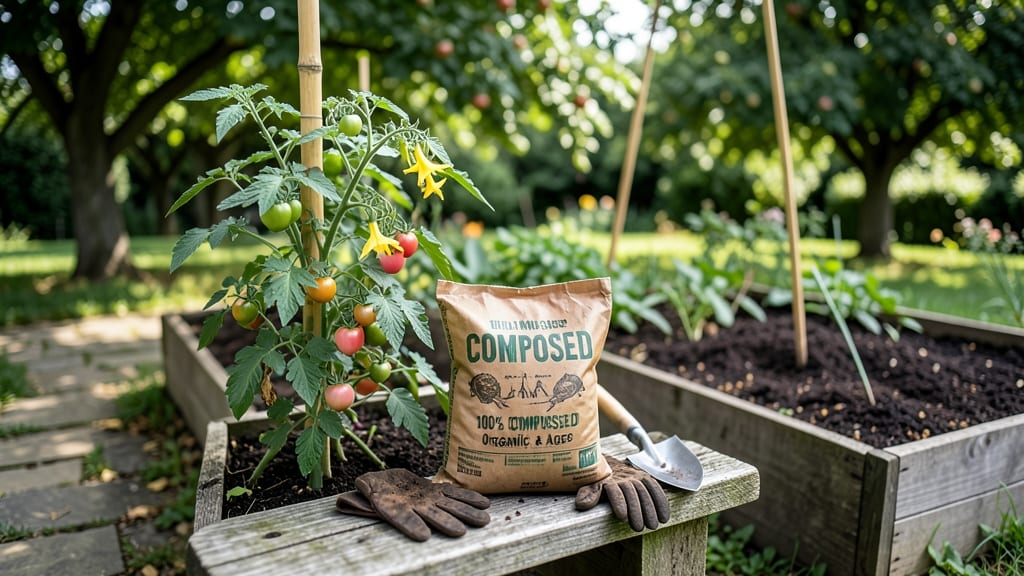
Chicken manure is good for tomato plants when properly aged, delivering essential nitrogen and phosphorus while enhancing soil structure, though fresh manure can scorch roots and spike pH levels, potentially harming plant development.
When used correctly, chicken manure acts like a natural fertilizer powerhouse for tomatoes, packed with nutrients that support lush foliage and abundant fruit production. 🌱 The key lies in proper aging—fresh manure can burn delicate roots due to its high ammonia content, while well-composted versions (3-6 months minimum) create a nutrient-rich soil amendment.
I've found that mixing aged manure with compost at a 1:2 ratio provides the perfect balance without overwhelming the plants. The real magic happens when you incorporate it into the soil before planting, giving tomato roots access to steady nutrition throughout their growth cycle.
What many gardeners overlook is the pH impact—fresh chicken manure can push soil pH too high, locking out essential nutrients like phosphorus that tomatoes desperately need. To avoid this, always compost your manure thoroughly and consider testing your soil's pH before application.
For best results, aim for a slightly acidic range of 6.0-6.8, which is ideal for tomato nutrient uptake. The difference between properly aged manure and fresh applications can mean the difference between a thriving tomato harvest and struggling plants.
💡 In This Article
- How Chicken Manure Boosts Tomato Growth
- Proper Aging and Application Methods for Tomato Gardens
How chicken manure boosts tomato growth
Chicken manure works wonders for tomatoes because it delivers a balanced nutritional trifecta: nitrogen for leafy growth, phosphorus for root development, and potassium for fruit production.
The nitrogen content—typically around 1.5-3.0% in aged manure—fuels rapid foliage expansion, which is crucial for tomatoes that need ample leaves to support their heavy fruit loads. What's even more impressive is how the phosphorus (about 0.8-1.5%) strengthens cell membranes, helping roots absorb water and nutrients more efficiently.
This nutrient combination mirrors what commercial tomato fertilizers aim to replicate, but with the added benefit of organic matter that improves soil structure.
The real magic happens in the soil microbiome. Aged chicken manure introduces beneficial bacteria and fungi that break down organic material, creating a nutrient-rich environment where tomato roots thrive.
These microbes also help prevent soil compaction, allowing roots to penetrate deeper for better stability and access to moisture. 🌱 The texture of well-aged manure is crumbly and dark brown, almost like rich humus, which contrasts sharply with the coarse, dry appearance of fresh manure.
This transformation occurs through composting, where microbial activity reduces the ammonia content (which can burn roots) and converts it into plant-available forms.
However, the pH factor is where many gardeners trip up. Fresh chicken manure can push soil pH toward 7.5-8.5, creating an alkaline environment that locks out phosphorus—exactly what tomatoes need for flowering and fruiting. The ideal pH range for tomatoes is 6.0-6.8, where nutrient uptake is most efficient.
This is why proper aging is non-negotiable: composting for 3-6 months allows the manure to stabilize, reducing alkalinity while preserving its nutrient value. I've seen firsthand how tomato plants wilt when planted in soil with pH above 7.0, despite having plenty of nitrogen.
Consider this comparison: a 1-gallon application of fresh chicken manure might deliver 15-30 pounds of nitrogen per acre, but only about 5-10% of that is immediately plant-available. In aged manure, that availability jumps to 30-50%, making every gram count toward your tomato's development.
The potassium content (around 1.0-2.0%) also plays a critical role in disease resistance and fruit quality, helping tomatoes develop their characteristic sweetness and firmness.
What most gardeners don't realize is how the physical structure of aged manure improves soil aeration. The porous, spongy texture created by decomposed manure allows oxygen to reach roots, which is essential for healthy microbial activity.
This is particularly important for tomatoes, which are heavy feeders and need constant access to oxygenated soil. The contrast between fresh manure's dense, ammonia-rich structure and aged manure's light, fluffy composition explains why the latter performs so much better in the garden.
For maximum benefits, mix aged chicken manure with compost at a 1:2 ratio before incorporating it into your tomato beds. This dilution ensures a steady release of nutrients while preventing potential salt buildup from concentrated manure applications.
The result? Tomatoes that grow with vigor, produce abundant fruit, and resist common soil-borne diseases—all while maintaining the natural balance of a thriving garden ecosystem. 🌿