
Vegetables
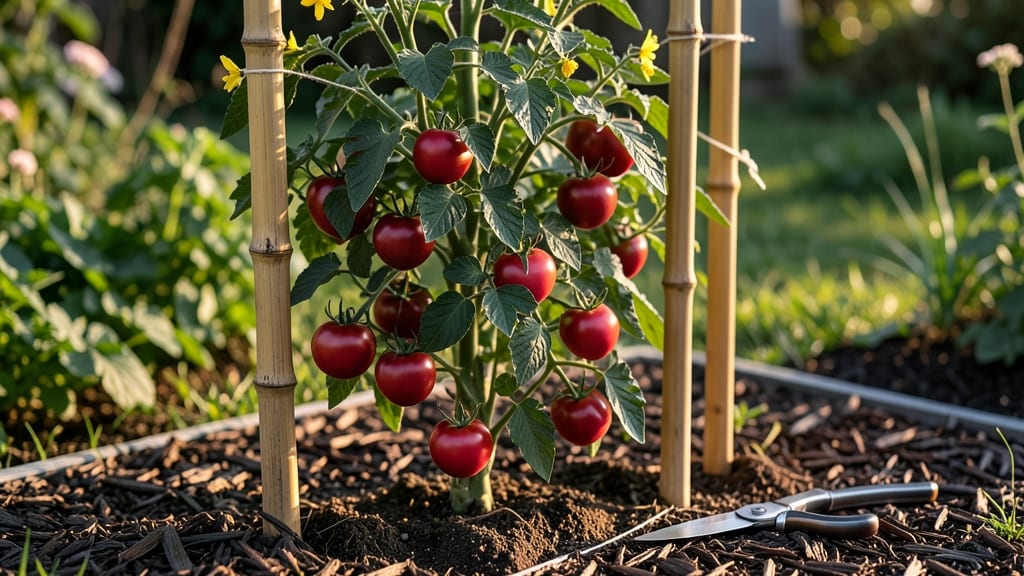
Red Beefsteak tomatoes grow as either determinate (bush-type) or indeterminate (vining) varieties, with determinate plants producing all fruit at once and indeterminate types yielding continuously until frost. Choose determinate for compact gardens, indeterminate for larger harvests and trellising.
Choosing between these two growth habits comes down to your garden space and harvest goals. Determinate varieties stop growing once they flower, producing a single massive crop all at once—ideal for canning or preserving.
Indeterminate types, however, keep growing and fruiting until cold weather hits, giving you a steady supply for fresh eating or selling. 🌱 For example, if you have limited space, determinate plants stay compact, while indeterminate ones need trellising to manage their sprawling vines.
The key difference lies in their growth patterns: determinate plants reach maturity quickly but yield all at once, while indeterminate ones take longer to mature but produce fruit over months.
💡 In This Article
- How Determinate vs Indeterminate Red Beefsteak Tomatoes Grow Differently
- Best Practices for Planting and Harvesting Each Type
How determinate vs indeterminate Red Beefsteak tomatoes grow differently
Determinate Red Beefsteak tomatoes grow on compact, bushy plants that reach a height of 3-5 feet and stop growing once they flower. This growth habit is controlled by a genetic signal that triggers the plant to focus all energy on fruit production rather than vertical growth.
The stem ends in a flower cluster, and each branch produces a single terminal fruit, creating that classic "bush" shape. 🌱 This makes them perfect for container gardening or small spaces, as they don't require staking or extensive support.
Indeterminate varieties, on the other hand, keep growing and producing new leaves, stems, and flowers indefinitely until frost kills them. These plants can reach heights of 6-10 feet or more, with each new growth producing additional flower clusters.
The Red Beefsteak indeterminate type will continue bearing fruit for months, with each vine potentially producing 10-20 pounds of tomatoes over the season. The key difference lies in their hormonal regulation—indeterminate plants maintain active growth hormones that prevent the flowering signal from stopping vertical expansion.
This growth difference dramatically impacts your harvest timing. Determinate plants produce all their fruit within a 2-3 week window, which is ideal for canning or preserving large quantities at once.
Indeterminate varieties, however, give you a continuous harvest from early summer until frost, perfect for fresh eating or selling at farmers markets. The trade-off is that indeterminate plants require more space and support structures like trellises or cages to keep the vines organized and prevent disease.
The fruiting habits also affect plant care requirements. Determinate plants benefit from a single heavy feeding when flowering begins, while indeterminate varieties need regular feeding every 2-3 weeks to support their extended growth.
Watering needs differ too—determinate plants can handle less frequent watering since their root systems mature quickly, while indeterminate varieties require consistent moisture to support their continuous growth and fruiting.
Another critical difference is disease susceptibility. Determinate plants' compact growth means less air circulation, which can lead to more fungal issues like blight if not properly spaced.
Indeterminate varieties, with their vertical growth, often have better air flow but require more frequent pruning to remove suckers (side shoots) and maintain plant health. The Red Beefsteak's large fruit size means both types need strong support to prevent splitting or rot from heavy fruit loads.
For gardeners choosing between types, consider your goals: determinate for quick, concentrated harvests in small spaces, indeterminate for prolonged fresh eating and larger yields in larger gardens.
The Red Beefsteak's impressive 1-2 pound fruit size makes both types excellent choices, but your growth habit will determine how you manage and enjoy your harvest. 🍅