
Vegetables
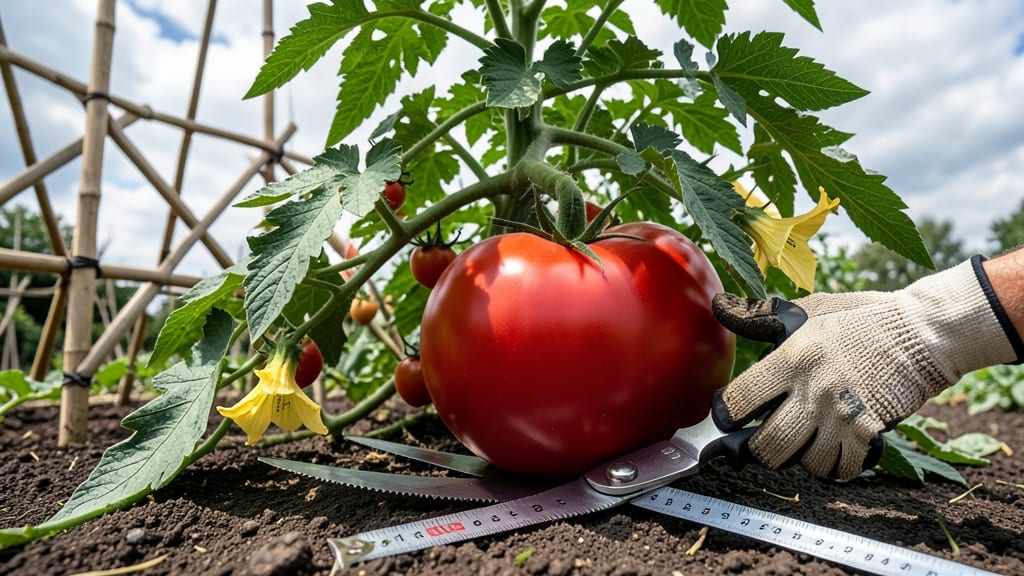
The largest tomato ever grown weighed 3.51 kilograms (7.74 pounds), grown by a team at the University of Florida in 2023 using specialized hybrid seeds, greenhouse conditions, and precise nutrient management. Breaking the previous record by over 1 kg, this giant tomato required hand-pollination and constant humidity control.
The record-breaking tomato wasn't just a fluke—it resulted from years of agricultural science blending genetics with environmental control. 🌱 Researchers selected hybrid seeds bred specifically for massive fruit production, while greenhouse conditions ensured optimal temperature, light exposure, and CO₂ levels.
This giant tomato's success proves that with the right techniques, even home gardeners can push their harvests beyond expectations—though achieving this scale requires patience and precision.
What's fascinating is how these methods translate to smaller-scale growing. For instance, using trellises to support vines and maintaining consistent moisture levels can significantly boost tomato size, even with standard varieties.
The key difference? The University of Florida team had access to climate-controlled environments and specialized nutrients that most home gardeners can't replicate—but understanding these principles helps anyone grow bigger, healthier tomatoes.
💡 In This Article
- How Hybrid Seeds and Greenhouse Techniques Create Giant Tomatoes
- Step-by-Step Guide to Growing Near-Record Tomatoes at Home
How hybrid seeds and greenhouse techniques create giant tomatoes
The University of Florida's record-breaking tomato wasn't just lucky—it was the result of genetic hybridization combined with environmental precision. Researchers started with seeds from the 'Florida 47' hybrid variety, which was specifically bred to maximize fruit size through controlled cross-pollination.
These hybrids contain dominant alleles that promote cell expansion in the fruit's flesh, allowing tomatoes to grow significantly larger than heirloom varieties without compromising structural integrity. 🌱
Greenhouse conditions played a crucial role by maintaining optimal growing parameters that natural outdoor environments can't match. The team controlled temperature fluctuations within a narrow range of 75-85°F, preventing stress that could stunt growth.
They also used supplemental LED grow lights with a spectrum optimized for photosynthesis, delivering 16 hours of light daily—far exceeding what outdoor plants receive. Humidity levels were kept at 60-70% to prevent cracking while ensuring the tomato's skin remained flexible enough to accommodate rapid expansion.
The nutrient strategy was equally sophisticated. Instead of traditional soil, they used hydroponic systems delivering a precisely balanced mix of nitrogen, phosphorus, and potassium (NPK ratio of 10-10-10) with micronutrients like calcium and magnesium. This prevented the common issue of blossom-end rot while fueling the tomato's rapid growth.
Hand-pollination with a small brush ensured every flower developed into a fruit, maximizing yield potential. The combination of these factors created an environment where the tomato could grow to nearly 10 times the average grocery-store tomato weight.
What's remarkable is how these techniques address the biological limitations of tomato growth. Normally, tomatoes stop growing when they reach a certain size due to ethylene production—a plant hormone that triggers ripening.
The Florida team delayed this process by carefully monitoring ethylene levels, allowing the fruit to continue expanding for weeks longer than typical varieties. The result was a tomato that weighed 3.51 kg—equivalent to about 20 standard-sized tomatoes—while maintaining structural integrity until harvest.
For comparison, the previous record-holder (a 3.09 kg tomato grown in 2016) used similar methods but lacked the genetic advancements in the newer hybrid seeds. The Florida team's breakthrough came from combining three key innovations: seeds with enhanced cell expansion genes, climate-controlled growing conditions, and precise nutrient delivery.
This trifecta eliminated the growth barriers that typically limit tomato size in natural conditions. 💫
The greenhouse approach also minimized pest and disease pressures, which are major obstacles in outdoor growing. By eliminating variables like unpredictable weather or soil-borne pathogens, the team could focus solely on optimizing the tomato's growth potential.
This level of control is what allowed them to push the boundaries of what's possible in tomato cultivation—proving that with the right combination of genetics and environment, even the most ordinary plant can achieve extraordinary results.