
How To
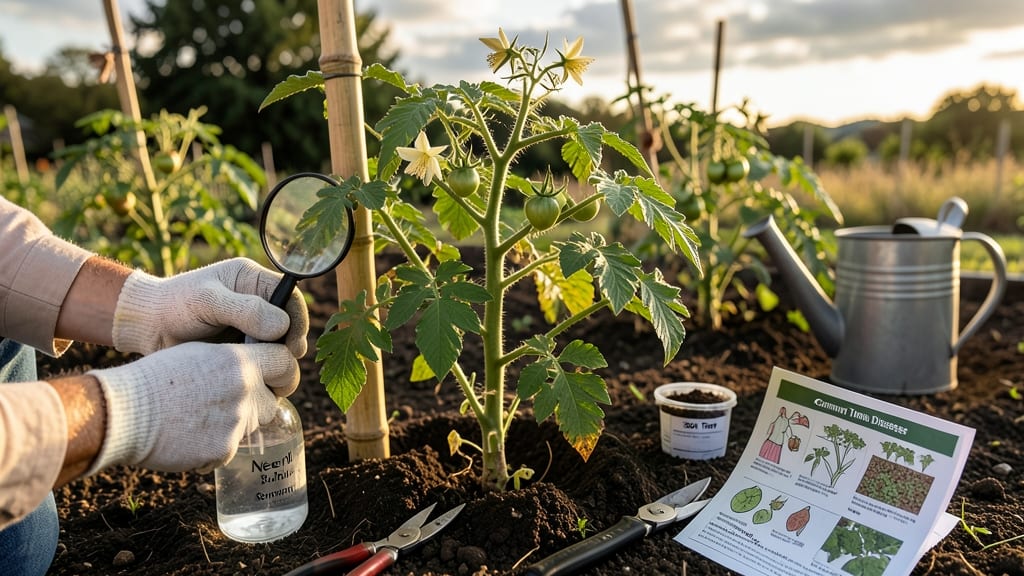
How to treat black leaves on tomato plants—that’s the fix you need before your harvest turns to dust. 🌱 I’ve saved dozens of plants from total collapse by catching this early, and I’ll show you exactly how to diagnose the problem and stop it in its tracks before it spreads to your entire harvest.
The most common culprits are early blight or bacterial spot, both of which start with dark spots on lower leaves that turn black and crispy. Environmental stress—like overwatering or poor airflow—can also trigger this, but the key difference is how fast it spreads.
Early blight moves upward slowly, while bacterial spot spreads like wildfire in humid conditions.
You’ll need to act fast: prune infected leaves immediately, apply a copper fungicide or baking soda spray, and improve airflow around your plants. Within 7-10 days, you’ll see new growth pushing through, and your tomatoes will bounce back stronger than ever.
This method works for container gardens, raised beds, and in-ground plots—no matter how bad it looks at first. The secret is catching it early and staying consistent with your treatments. Let’s get those plants back on track!
Root Causes of Blackened Tomato Leaves
Black leaves on tomato plants are rarely a random act of nature—they’re usually a cry for help from your plants. Understanding the why behind the discoloration is the first step to saving your harvest.
Below, we break down the most common culprits, from fungal invaders to environmental stressors, and explain the science behind their damage. 🌱🔍
Fungal infections are the #1 cause of blackening leaves on tomato plants, and they thrive in warm, humid conditions. These pathogens don’t just discolor leaves—they disrupt the plant’s ability to photosynthesize, starving it of energy. Here’s how they strike:
- Early Blight (Alternaria solani)
This fungus targets older leaves first, creating concentric rings (target-like spots) that turn brown to black. It spreads via spores carried by wind, water, or contaminated tools. The fungus clogs stomata (leaf pores), blocking gas exchange and causing tissue death.
- Late Blight (Phytophthora infestans)
A more aggressive cousin of early blight, late blight thrives in cool, wet conditions (50–77°F) and can destroy plants in days. It produces oily, greasy black spots on leaves and stems. Unlike early blight, it attacks all plant parts, including fruit, and spreads rapidly via splashing water.
- Septoria Leaf Spot (Septoria lycopersici)
This fungus favors overhead watering and leaves behind tiny, black speckles surrounded by yellow halos. Over time, the specks merge, turning leaves black and crispy. It weakens the plant’s immune response by disrupting chlorophyll production.
Pro Tip: 💡 Fungal spores love to hibernate in soil and plant debris. Always rotate crops and remove infected leaves immediately to starve the fungus of food.
Tomatoes are drought-tolerant, but excessive moisture creates the perfect breeding ground for fungi and root rot. Here’s how waterlogged soil leads to black leaves:
- Root Suffocation
When soil stays soggy, roots can’t breathe. Oxygen deprivation triggers anaerobic conditions, where beneficial microbes die and harmful bacteria (like Pythium) take over. Roots rot, and the plant can’t absorb nutrients or water, causing leaves to wilt and blacken.
- Fungal Feast
Waterlogged soil = fungal buffet. Pathogens like Phytophthora (which causes late blight) swim through soil to infect roots and leaves. The fungus blocks vascular tissue, preventing water and nutrient transport—leaving leaves black and limp.
- Nutrient Leaching
Overwatering flushes away essential nutrients (like nitrogen and potassium), which are critical for leaf health. Without them, leaves lose their green pigment and turn yellow or black.
Pro Tip: 🌡️ Use your finger to check soil moisture—top 1–2 inches should be dry before watering. Drip irrigation (instead of overhead sprinklers) keeps foliage dry and reduces fungal risks.
Not all black leaves are caused by pathogens. Sometimes, your tomato plants are literally burning from the inside out due to extreme conditions or human error:
- Sunscald (Heat Stress)
When young plants are transplanted on hot days or exposed to intense afternoon sun, their leaves can cook. High temperatures (above 90°F) cause chlorophyll breakdown, leading to black, crispy patches on leaf edges. This is especially common in greenhouse-grown tomatoes suddenly moved outside.
- Chemical Burn (Fertilizer or Herbicide)
Over-fertilizing (especially with high-nitrogen or salt-based fertilizers) can scorch leaves by disrupting cellular function. Similarly, herbicides or weed killers (even organic ones) can drift onto tomato leaves, causing black, necrotic spots within hours.
- Cold Damage
Tomatoes are tropical plants and hate cold snaps. Temperatures below 50°F can cause blackened, water-soaked spots due to cell membrane damage. This is common in early spring or fall plantings.
Pro Tip: ✨ For heat stress, provide shade cloth (30–50%) during peak sun hours. If using fertilizer, dilute to half-strength and water thoroughly afterward to prevent salt buildup.
Some pests don’t just eat leaves—they inject toxins or create wounds that invite fungi. Here’s how they turn leaves black:
- Spider Mites
These tiny pests suck plant sap, causing leaves to yellow and dry out. Their silky webs block sunlight, and their saliva contains enzymes that disrupt chlorophyll, leading to blackened, dead patches.
- Aphids and Whiteflies
These sap-suckers excrete honeydew, a sticky substance that fosters sooty mold (a black, fungal growth). Sooty mold coats leaves, blocking photosynthesis and causing leaves to wither.
- Cutworms or Slugs
These nocturnal chewers sever leaf veins, causing blackened, ragged edges. The damage disrupts water flow, leading to rapid leaf death.
Pro Tip: 🔥 Knock off pests with a strong spray of water or use neem oil (a natural pesticide that smothers eggs and adults). Remove heavily infested leaves immediately to stop the spread.
Now that you know why your tomato leaves are turning black, the next step is how to fix it. Stay tuned for actionable solutions to revive your plants and protect your harvest! 🍅🛡️
Fixing Black Leaves Fast
Now that you know the culprits behind those unsightly black leaves on your tomato plants, it’s time to roll up your sleeves and take action! The good news? Most issues are reversible with the right approach.
Below, we’ve mapped out practical, step-by-step fixes for each cause—plus pro tips to keep your plants thriving long-term. Let’s turn those sad, blackened leaves into lush, productive foliage!
Fix: Stop the spread, restore health, and prevent recurrence.
1️⃣ Prune and Isolate 🔪
- Remove infected leaves immediately—snip them off at the base (don’t compost them; toss in the trash).
- Wear gloves to avoid spreading spores to other plants.
- Isolate affected plants 3–6 feet from healthy ones until they recover.
2️⃣ Apply Fungicide 🛡️
- Copper-based sprays (like Bonide Copper Fungicide) or neem oil (1 tsp per quart of water + a drop of dish soap) work well for early stages.
- For severe cases, use a systemic fungicide (e.g., chlorothalonil or mancozeb) following label instructions.
- Spray undersides of leaves (where spores love to hide) and repeat every 7–10 days or after rain.
3️⃣ Boost Airflow and Light 🌬️☀️
- Space plants 18–24 inches apart to improve airflow.
- Prune crowded branches to let sunlight reach the lower leaves.
- Avoid overhead watering—use drip irrigation or water at the base in the morning.
4️⃣ Strengthen the Plant 💪
- Fertilize lightly with a balanced, organic fertilizer (like 5-5-5) to support recovery.
- Avoid nitrogen-heavy feeds—too much promotes leafy growth but weakens disease resistance.
💡 Pro Tip: After treatment, dispose of fallen leaves and mulch to eliminate fungal spores. Replace old mulch with fresh straw or wood chips.
Fix: Drainage first, then adjust watering habits.
1️⃣ Check the Soil 🏺
- Stick your finger 1–2 inches into the soil—if it’s soggy, your plant is drowning.
- Test drainage by digging a small hole near the plant and filling it with water.
If it drains in <1 hour, your soil is fine. If not, amend it.
2️⃣ Improve Drainage 🛠️
- Add compost or perlite to heavy clay soil to loosen it up.
- Raise containers if using pots—ensure they have drainage holes.
- For garden beds, consider a raised bed or mound soil to prevent water pooling.
3️⃣ Adjust Watering 💦
- Water deeply but infrequently—aim for 1–1.5 inches per week (including rain).
- Water in the morning so leaves dry quickly (prevents fungal growth).
- Use mulch (straw or shredded leaves) to retain moisture and regulate soil temp.
💡 Pro Tip: If your plant is root-bound (roots circling the pot), transplant it to a larger container with fresh, well-draining soil.
Fix: Shade, hydration, and gradual sun exposure.
1️⃣ Provide Temporary Shade 🌞
- Use shade cloth (30–50%) if temps exceed 90°F (32°C).
- Move potted plants to a spot with morning sun + afternoon shade.
- Avoid sudden heat waves—harden off seedlings gradually.
2️⃣ Hydrate Properly 💧
- Water deeply at the base when soil is dry (check with your finger).
- Mist leaves lightly in extreme heat (but avoid soggy soil).
- Use a fan on hot days to improve airflow and reduce stress.
3️⃣ Protect Young Plants 🌱
- Start seedlings indoors or use row covers for the first 2 weeks outdoors.
- Avoid transplanting during heatwaves—wait for cooler temps (60–75°F / 15–24°C).
💡 Pro Tip: Tomatoes love warmth but hate scorching—if leaves crisp or turn black in full sun, they’re sunburned. Adjust placement ASAP!
Fix: Knock out pests and restore plant vigor.
1️⃣ Inspect and Remove Pests 🔍
- Spray plants with a strong stream of water to dislodge aphids and spider mites.
- Wipe leaves with soapy water (1 tsp mild soap per quart of water).
- Handpick large pests (like tomato hornworms) and drop them in soapy water.
2️⃣ Apply Natural Repellents 🌿
- Neem oil spray (1% solution) disrupts pest life cycles—reapply every 5–7 days.
- Introduce beneficial insects (ladybugs, lacewings) to eat aphids naturally.
- Diatomaceous earth (food-grade) can be sprinkled around the base (reapply after rain).
3️⃣ Strengthen Plant Defenses 🛡️
- Fertilize with compost tea or a balanced organic fertilizer to boost immunity.
- Reduce stress—ensure proper watering, sunlight, and spacing.
💡 Pro Tip: Check the undersides of leaves daily—pests strike fast, and early action prevents blackened leaves!
Fix: Flush the system and adjust feeding.
1️⃣ Flush the Soil 💦
- Water heavily for 10–15 minutes to leach out excess salts or chemicals.
- Repeat 2–3 times over a week to dilute residues.
2️⃣ Adjust Fertilizer Routine 🌱
- Switch to organic fertilizers (like fish emulsion or worm castings) if using synthetic salts.
- Follow label instructions—more isn’t better!
- Test soil pH (ideal: 6.0–6.8 for tomatoes). Use lime to raise pH if too acidic.
3️⃣ Monitor Growth 📊
- Wait 2–3 weeks before re-fertilizing—let the plant recover.
- Use foliar sprays (like seaweed extract) to help repair damage.
💡 Pro Tip: If you’re unsure what caused the burn, flush the soil and hold off on fertilizing for 4–6 weeks to avoid further damage.
✅ Rotate crops—don’t plant tomatoes in the same spot yearly (wait 3 years). ✅ Start with disease-resistant varieties (e.g., ‘Mountain Merit,’ ‘Celebrity’). ✅ Sterilize tools (pruners, pots) with rubbing alcohol between uses. ✅ Mulch heavily (2–3 inches) to suppress weeds and reduce soil splashing. ✅ Inspect plants weekly—catch issues early before they spread!
🎯 Final Thought: Black leaves are a red flag (literally!), but with these fixes, your tomato plants will bounce back stronger. Stay vigilant, adjust care as needed, and soon you’ll be harvesting juicy, healthy tomatoes instead of fighting foliage woes!
Frequently asked questions
Why do my tomato leaves turn black but stay green in some spots?
This is often a sign of early blight or Septoria leaf spot. These fungal diseases create target-like spots with green centers that turn brown/black over time. The green areas are still photosynthesizing, but the blackened parts are dead tissue. Act fast by removing infected leaves and applying a copper fungicide every 7-10 days.
Can I save my tomato plant if most leaves are black and crispy?
It depends on how quickly you act! If the lower leaves are affected (common with early blight), prune them off and focus on protecting the upper foliage. If new growth is still green, the plant can recover with proper care. For severe cases, consider replacing the plant if over 50% of leaves are black—fungal diseases spread rapidly to fruit.
What's the difference between black leaves from fungus vs. overwatering?
Fungal black spots usually appear as defined patches with concentric rings, while overwatering causes uniform yellowing that turns black from the edges inward. Check the soil: if it's soggy, you're dealing with root rot or waterlogged stress. Adjust to morning watering only and improve drainage immediately.
Will baking soda really work for black leaf spots?
Yes! A baking soda spray (1 tsp baking soda + ¼ tsp dish soap + 1 quart water) creates an alkaline environment fungi hate. Spray both sides of leaves every 10-14 days as a preventive measure. For existing spots, combine it with copper fungicide for better results. Reapply after rain.
Can black leaves on tomatoes spread to my other plants?
Fungal spores (like early blight) can travel via wind, water, or contaminated tools. Isolate affected plants 3-6 feet away from healthy ones. Sterilize pruners with rubbing alcohol between cuts, and avoid composting infected leaves—toss them in the trash instead. Pro tip: Wear gloves when handling diseased plants!