
Companion Plants
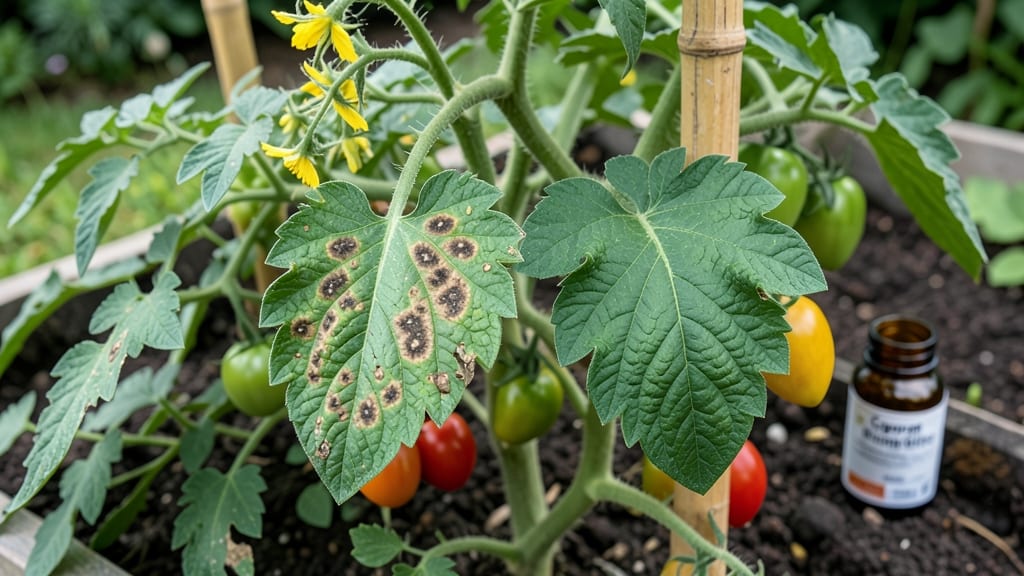
Brown spotted leaves on tomato plants mean your harvest could vanish before it ripens—unless you act fast. 🌱 I’ve battled this exact problem for years, and baking soda spray became my secret weapon against early blight, the sneaky fungal disease that turns leaves into crispy brown lace.
The spots start small and dark, then spread like a shadow across your plants. Most gardeners panic and reach for harsh chemicals, but the real fix is simple: proper spacing, watering at the base, and a homemade spray that stops the fungus before it takes hold.
My plants now stay green and productive when others in my neighborhood wilt by July. You’ll learn to spot the difference between fungal spots and sunscald, adjust your watering routine, and apply a spray that’s cheap, effective, and safe for your family.
No more losing your tomatoes to mystery brown spots—just healthy plants and a bountiful harvest. This works for backyard gardens, containers, and even greenhouse setups. Let’s get those leaves looking lush again!
Root Causes of Leaf Spots
When your tomato plants start showing brown spotted leaves, it’s often a sign of stress from environmental or biological factors. Understanding the why behind these symptoms is key to stopping the damage before it spreads.
Below, we break down the most common culprits—from fungal infections to environmental stressors—and explain how they trigger those unsightly spots.
Fungal diseases are the #1 reason for brown spots on tomato leaves, and early blight and late blight are the top offenders. Here’s how they work:
- **Early Blight (Alternaria solani)
- Why it causes spots: The fungus thrives in warm, humid conditions (60–80°F) and releases toxins that kill plant cells, creating concentric-ringed brown lesions with yellow halos.
- Tell-tale signs: Spots start on lower leaves and spread upward. Stem lesions may appear later, often with a target-like pattern.
Not all brown spots are fungal—sometimes, your tomato plants are just overheated or sunburned. Here’s how:
- Sunscald (Heat Stress)
- Spot characteristics: Dry, crispy brown patches on leaf edges or surfaces, often on upper leaves first.
- Risk factors: High temps (>90°F), low humidity, or thin leaf cuticles (common in fast-growing varieties).
Water stress—whether from drought or overwatering—can mimic fungal damage. Here’s how to spot the difference:
- Overwatering or Poor Drainage
- Spot characteristics: Spots are often water-soaked at first, then turn brown and leathery. Check for wilting despite wet soil.
- Why it happens: When roots can’t absorb enough water, leaves curl and develop brown, crispy edges (a condition called scorch).
- Spot characteristics: Brittle, dry brown patches starting at leaf tips or margins. Soil pulls away from pot edges if potted.
- Why it happens: Overhead irrigation or rain splashes fungal spores onto leaves, accelerating infections like early blight.
- Spot characteristics: Spots appear on lower leaves first and may have dark concentric rings.
Sometimes, pests or mechanical harm create spots that look like disease:
- Spider Mites or Aphids
- Why it happens: These tiny pests pierce leaves to feed, causing tiny brown speckles (from sap loss) and webbing (mites).
- Spot characteristics: Punctured, stippled brown dots often clustered on leaf undersides. Check for silver webbing (mites) or sticky residue (aphids).
- Hail or Wind Damage
- Why it happens: Physical trauma from storms bruises leaves, creating irregular brown patches with torn edges.
- Spot characteristics: Jagged, uneven brown areas that don’t follow a pattern. Often seen after a storm.
Pro Tip: 🔍 Examine spots under a magnifying glass—fungal spots often have tiny black dots (spore-producing structures), while environmental damage looks dry and crispy. If unsure, test a small area with a baking soda spray (1 tsp baking soda + 1 quart water + a drop of dish soap) to see if spots improve.
Quick Fixes for Spotted Tomato Leaves
Now that you know the culprits behind those unsightly brown spots on your tomato plants, it’s time to roll up your sleeves and get them back to their healthy, productive selves!
Below are practical, step-by-step solutions tailored to the most common causes—fungal infections, pests, nutrient deficiencies, and environmental stress—plus prevention tips to keep your plants thriving long-term.
If your tomato leaves are covered in concentric brown rings or irregular spots with yellow halos, fungi like Alternaria solani (early blight) or Septoria lycopersici are likely to blame. Here’s how to fight back:
1️⃣ Remove and Dispose of Infected Foliage
- 🔪 Snip off severely spotted leaves at the base (don’t tear them—this spreads spores).
- 🗑️ Bag and trash infected leaves immediately (do not compost them).
- Pro Tip: 💡 If spots are on lower leaves, prune them early in the day so wounds dry quickly, reducing infection risk.
2️⃣ Apply a Baking Soda Spray (Preventative & Curative) A homemade baking soda spray is a gentle yet effective way to curb fungal growth.
Here’s the recipe: - 🥄 Mix: 1 tsp baking soda, 1 tbsp vegetable oil, 1 tsp dish soap, and 1 gallon of water. - 🌿 Spray the undersides of leaves (where spores hide) every 7–10 days or after rain. - ⏰ Best timing: Morning or evening (avoid midday sun to prevent leaf burn).
3️⃣ Improve Air Circulation
- 🌬️ Space plants 18–24 inches apart to reduce humidity.
- 🪴 Prune overcrowded branches and stake tomatoes to keep leaves off the ground.
- 💨 Use a fan on low setting for 10–15 mins/day to dry leaves faster.
4️⃣ Copper Fungicide (For Severe Cases)
- 🛡️ Spray a store-bought copper fungicide (like Bordeaux mixture) every 10–14 days if spots persist.
- ⚠️ Warning: Avoid spraying in direct sunlight or when tomatoes are ripening (can cause bitter taste).
🌱 Prevention Tips for Fungal Diseases
- 🌱 Rotate crops—don’t plant tomatoes in the same spot two years in a row.
- 🌱 Water at the base (never overhead) to keep leaves dry.
- 🌱 Choose resistant varieties like ‘Mountain Merit’ or ‘Defiant PhR.’
If spots are tiny, scattered, and accompanied by webbing or bugs, pests are likely the culprits. Here’s how to evict them fast:
1️⃣ Blast Off Pests with Water
- 💦 Spray leaves with a strong stream of water (especially undersides) to knock off mites and aphids.
- 🌿 Repeat every 2–3 days until pests disappear.
2️⃣ Neem Oil Spray (Natural Pest Repellent)
- 🍃 Mix: 1 tbsp neem oil, 1 tsp dish soap, and 1 quart of water.
- 🌿 Spray evenly on all leaf surfaces (including stems).
- ⏰ Best time: Early morning or late evening (avoids harming bees).
- 🔄 Reapply every 5–7 days for 2–3 weeks.
3️⃣ Introduce Beneficial Insects
- 🐞 Ladybugs, lacewings, or predatory mites eat spider mites and aphids.
- 🛒 Buy from garden centers and release them at dusk when pests are active.
4️⃣ Yellow Sticky Traps (For Whiteflies & Aphids)
- 🎯 Hang yellow sticky traps near plants to catch flying pests.
- 🔄 Replace every 2 weeks or when saturated.
🛡️ Prevention Tips for Pest Attacks
- 🌿 Inspect plants weekly—catch infestations early.
- 🌿 Avoid over-fertilizing with nitrogen (soft, sappy leaves attract pests).
- 🌿 Plant companion herbs like basil, marigolds, or dill to repel pests.
If spots appear only on upper leaves and are dry, crispy, or bleached, your tomatoes may be sunburned or heat-stressed.
1️⃣ Provide Afternoon Shade
- 🌞 Use shade cloth (30–50%) during peak sun hours (11 AM–3 PM).
- 🪴 Move containers to a shadier spot if possible.
2️⃣ Mulch to Retain Moisture
- 🌿 Apply 2–3 inches of mulch (straw or grass clippings) to keep soil cool and moist.
- 💧 Water deeply in the early morning to reduce evaporation.
3️⃣ Adjust Watering Practices
- 💦 Water slowly and deeply (1–1.5 inches per week) to avoid stress.
- ⏰ Avoid wetting leaves (use drip irrigation or soaker hoses).
🌱 Prevention Tips for Heat Stress
- 🌱 Choose heat-tolerant varieties like ‘Heatmaster’ or ‘Solar Fire’.
- 🌱 Plant in late spring (after last frost) to avoid early-season heat waves.
- 🌱 Use reflective mulch (like white plastic) to bounce back sunlight.
If spots are irregular, accompanied by yellowing, or appear on older leaves, your plants may be starving for key nutrients.
1️⃣ Soil Test First!
- 📊 Get a soil test kit (available at garden centers) to confirm deficiencies.
- 🔍 Look for:
- Calcium deficiency → Blossom end rot (brown spots on fruit and leaves).
- Magnesium deficiency → Interveinal yellowing (between leaf veins).
- Potassium deficiency → Brown edges on older leaves.
2️⃣ Fix It Fast
| Nutrient Missing | Quick Fix | Prevention |
|---|---|---|
| Calcium | Crushed eggshells (work into soil) or calcium nitrate (follow package instructions). | Add lime (if soil is acidic) or compost with high calcium. |
| Magnesium | Epsom salt spray (1 tbsp per gallon of water, spray leaves). | Use magnesium-rich compost or wood ash. |
| Potassium | Banana peel tea (steep peels in water for 24 hours, use as fertilizer) or potassium sulfate. | Add wood ash or kelp meal to soil. |
3️⃣ Adjust Fertilizer Routine
- 🌿 Avoid over-fertilizing—too much nitrogen causes soft, weak growth (prone to pests/disease).
- 🌿 Use a balanced fertilizer (10-10-10) or tomato-specific food every 3–4 weeks.
- 🌿 Rotate crops annually to prevent soil-borne diseases.
- 🌿 Harvest regularly—overripe tomatoes stress the plant.
- 🌿 Keep tools clean (sterilize pruners with rubbing
Frequently asked questions about tomato leaf spots
Why do my tomato leaves get brown spots even when I water them regularly?
Brown spots from overwatering often appear when soil stays soggy, causing root rot that starves leaves of nutrients. Look for mushy, brown spots with yellowing—these differ from fungal spots by feeling water-soaked at first. Try watering only at the base and letting the top inch of soil dry between waterings.
Can I still save my tomatoes if the leaves have brown spots?
Yes! Remove severely infected leaves immediately, then treat with a baking soda spray (1 tsp baking soda + 1 quart water + 1 tsp dish soap). For fungal issues, focus on air circulation and avoid overhead watering. If spots are from pests, neem oil works well. The key is acting fast—healthy leaves keep producing fruit!
How do I tell if my tomato spots are from fungus or sunburn?
Fungal spots (like early blight) have concentric rings and often appear on lower leaves, while sunburn looks like dry, crispy patches on upper leaves exposed to direct sun. Test with a magnifying glass: fungal spots usually have tiny black dots (spores), while sunburn spots are uniformly brown without patterns.
Will copper spray harm my tomato plants if I use it too often?
Copper fungicides are safe when used correctly, but applying them more than every 10–14 days can stress plants. Avoid spraying when tomatoes are ripening (it may cause a bitter taste). For prevention, focus on proper spacing, watering at the base, and using baking soda spray instead.
Can companion plants actually prevent tomato leaf spots?
Planting basil, marigolds, or nasturtiums near tomatoes repels pests like aphids and spider mites, which cause brown speckles. These companions also improve air circulation, reducing humidity that fuels fungal growth. Plus, they attract beneficial insects that eat harmful pests naturally.