
Flowers
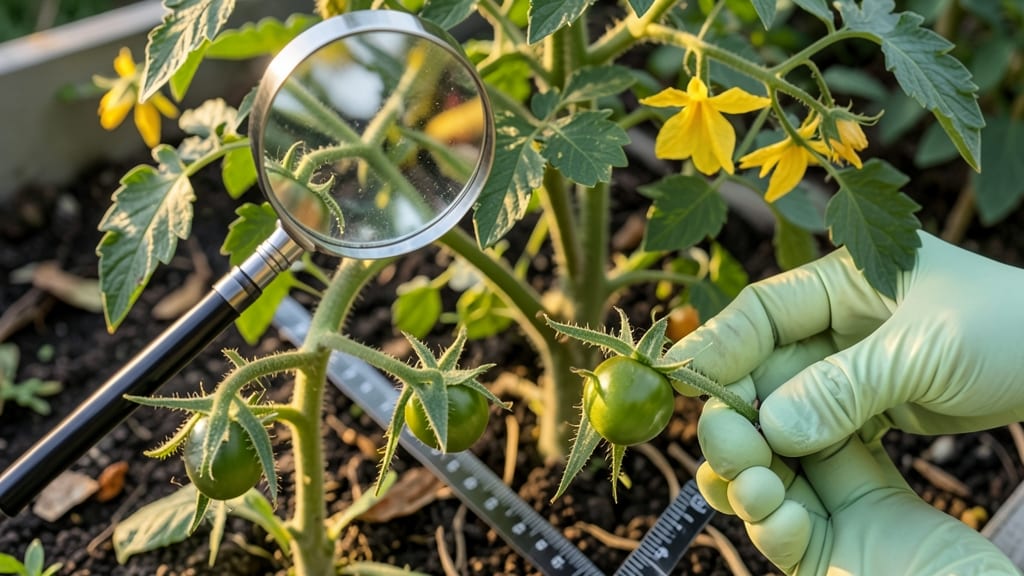
That tiny white flower holds how to tell if a tomato flower is pollinated—the secret to your harvest. 🌱 The moment you spot the ovary swelling or petals dropping, you know pollination worked—but what if you miss it?
I’ve spent years watching tomato flowers, and I’ll show you exactly what to look for, from the first sign to the fruit that follows.
Start by checking for petal drop—they’ll wilt and fall within 24-48 hours of successful pollination. Then look for the ovary at the flower’s base: it’ll plump up like a tiny green marble, signaling a future tomato.
Without pollination, the flower stays open and eventually dies without swelling. Humidity, wind, and even bees play a role here—sometimes you’ll need to help nature along.
By the time the ovary grows to ½-inch, you can count on a tomato forming. The key is consistency: check flowers every morning and afternoon, especially in greenhouses or shady spots where pollinators are scarce.
A light tap on the flower with a paintbrush can boost success if nature isn’t cooperating.
This method works for both outdoor vines and indoor plants, though indoor tomatoes often need extra help. Once you master these signs, you’ll never second-guess whether your flowers are doing their job—or how to give them a helping hand.
📚 In This Guide
- What you need
- Instructions
- Tips and common mistakes
- Wrapping up and next steps
What you need
- ● Tomato plants – Healthy, flowering varieties (indeterminate or determinate).
- ● Magnifying glass or hand lens – A 10x magnification works best for spotting tiny details.
- ● Notebook & pen – To log observations or track pollination progress.
- ○ Camera (optional) – A smartphone with a macro mode for close-up shots of flowers.
- ○ Gloves (optional) – Lightweight gardening gloves to protect your hands from thorns or soil.
- ● Sunny day – Pollen visibility is best in natural light (avoid cloudy or rainy days).
- ● Morning hours – Flowers are most active and pollen is freshest between 8 AM–10 AM.
- ● Still air – Gentle breezes help, but strong winds can scatter pollen unpredictably.
How to spot tomato pollination: what to look for in flowers
Here's how I check for pollination every morning—no fancy tools, just keen eyes and a little patience.
🌸 Step 1: Examine the Flower Shape
Start by gently holding the flower between your thumb and forefinger to see its structure. A successfully pollinated tomato flower will begin to change shape within 24-48 hours after pollination. Look for the petals to start curling inward slightly, almost like a tiny cup forming at the center. This is the first visual cue that pollen has done its job.
The flower's center should feel slightly firmer than before, almost as if it's tightening up. If you see the petals still standing straight out or drooping heavily, that's a sign pollination hasn't occurred yet. I always check the oldest flowers first—they're the most likely to show these early signs.
💧 Step 2: Look for Tiny White Structures
Use a magnifying glass if you have one, but your eyes alone will work too. Inside the flower's center, you'll find the ovary where the fruit develops. After successful pollination, you'll notice tiny white bumps forming along this ovary—these are the first signs of fruit development. They'll look like tiny rice grains or sesame seeds clustered together.
These white bumps appear because the fertilized ovules start swelling as they prepare to develop into tomato cells. If you see these, congratulations—your flower has been pollinated! They'll grow more noticeable over 3-5 days, turning slightly green before the flower drops off. I check these bumps every morning with my coffee—I've found that consistency is key.
🌱 Step 3: Observe the Flower's Lifespan
A pollinated tomato flower will typically last 3-5 days before wilting and falling off. Watch how long each flower stays on the plant—this is a reliable indicator. Unpollinated flowers usually drop off within 1-2 days because they haven't received the signal to develop fruit. The longer a flower hangs around, the more likely it's been pollinated.
Pay attention to the flower's color changes too. A pollinated flower might develop slight greenish tinges near the base before the petals fully wilt. This happens because the ovary starts converting into fruit tissue. If flowers keep dropping immediately after opening, you might need to help with pollination—either by gently shaking the plants or using a small brush to transfer pollen manually.
☀️ Step 4: Check for Fruit Swelling
After 5-7 days, look for the telltale swelling at the flower's base where the stem meets the plant. This is the most obvious sign of successful pollination. The area will begin to enlarge slightly, forming a tiny bump that feels firmer than the surrounding stem. This swelling happens as the fertilized ovary starts growing into a tomato.
Run your fingers gently along the stem where flowers recently dropped. You'll feel these tiny bumps along the plant's main stem or branches. They're often hidden among leaves, so I make it a habit to examine the plant from all angles. These bumps will grow into your future tomatoes—each one represents a successful pollination event.
⏰ Step 5: Monitor the Plant's Fruit Set Pattern
Over time, you'll develop a sense of your plant's pollination pattern. Healthy tomato plants typically set fruit every 7-14 days depending on the variety and growing conditions. If you notice clusters of flowers dropping without setting fruit, it's time to investigate your pollination process. I keep a small notebook by my plants to track which flowers set fruit and which didn't—it helps me understand my plant's habits.
Look for consistent patterns in where fruit sets. Some tomato varieties are more prolific fruit-setters than others, and certain branches might produce more successfully than others. This information helps you focus your pollination efforts where they'll be most effective. Remember, even professional gardeners sometimes need to give their plants a helping hand with pollination—especially on cloudy days or when plants are stressed.
Tips & tricks for identifying tomato flower pollination
These little details make all the difference when you're trying to spot those early signs of pollination success.
Timing Secret: The 24-48 hour window after a flower opens is your best chance to catch the first visual clues. I've found that checking flowers in the morning light—when dew is still present—makes those subtle petal changes much easier to see. The natural moisture helps highlight the curling pattern that indicates successful pollination.
Visual Cue for Beginners: If you're struggling to see those tiny white bumps in Step 2, try this trick: hold the flower up to a bright window and angle it so the light shines through the petals. The contrast will make those rice-grain-sized structures stand out more clearly against the green ovary. I keep a small magnifying glass by my garden just for this purpose!
Lifespan Tracking: Here's what nobody tells you—unpollinated flowers often drop within 24 hours, while pollinated ones linger 3-5 days. I mark each flower with a tiny piece of colored tape on the stem when it opens, then check them daily. This simple system helps me track which flowers are actually setting fruit versus just blooming beautifully but failing to pollinate.
Fruit Swelling Insight: That 5-7 day wait for fruit swelling is actually your best indicator of long-term success. I've noticed that the earliest swelling often appears on the underside of branches where morning sunlight hits first. This is because the plant directs more energy to developing fruit in optimal growing conditions.
Pro Tips for Tell If Tomato Flower Is Pollinated
- These little details make all the difference when you're trying to spot those early signs of pollination success.
- Timing Secret: The 24-48 hour window after a flower opens is your best chance to catch the first visual clues.
- Visual Cue for Beginners: If you're struggling to see those tiny white bumps in Step 2, try this trick: hold the flower up to a bright window and angle it so the light shines through the petals.
Frequently asked questions
Got questions about tomato flower pollination? You’re not alone—here are some of the most common ones, answered clearly and concisely!
What does a pollinated tomato flower look like?
A pollinated tomato flower’s petals will start to yellow and drop off, and the flower itself will shrink and wilt within a few days. You’ll also notice a tiny green bump forming where the flower was—this is the future tomato!
How long does it take for a tomato flower to show signs of pollination?
Signs of pollination (like wilting petals or a tiny green fruit) usually appear 2–5 days after successful pollination. If you’re growing indoors or in poor weather, this process might take a little longer.
What if my tomato flowers aren’t pollinating naturally?
If you’re not seeing bees or hummingbirds around, try hand-pollinating with a small paintbrush or by gently shaking the plant. Wind-pollinated varieties (like cherry tomatoes) may need extra help too!
Can I tell if a tomato flower was pollinated without seeing a fruit bump?
Yes! Check for shriveled petals or a slightly swollen ovary at the base of the flower. If the flower drops off without any signs, it likely didn’t pollinate—try again!
Why do some tomato flowers pollinate but not produce fruit?
This can happen due to temperature stress (too hot or cold), nutrient deficiencies, or poor pollination. If flowers pollinate but drop early, ensure your plants get consistent water and balanced fertilizer.
Wrapping up and next steps
Now that you’re equipped with the know-how to spot those tiny white signs of success—like swollen ovaries, color shifts, or the telltale blossom end—you can confidently monitor your tomato plants like a pro! 🌱 Pollination might seem like a delicate dance, but with patience and observation, you’ll soon be harvesting plump, juicy tomatoes in no time.
Ready to take it further? Next, try experimenting with hand-pollination for tricky indoor plants or check out our guide on boosting tomato yields for even bigger rewards!