
Flowers
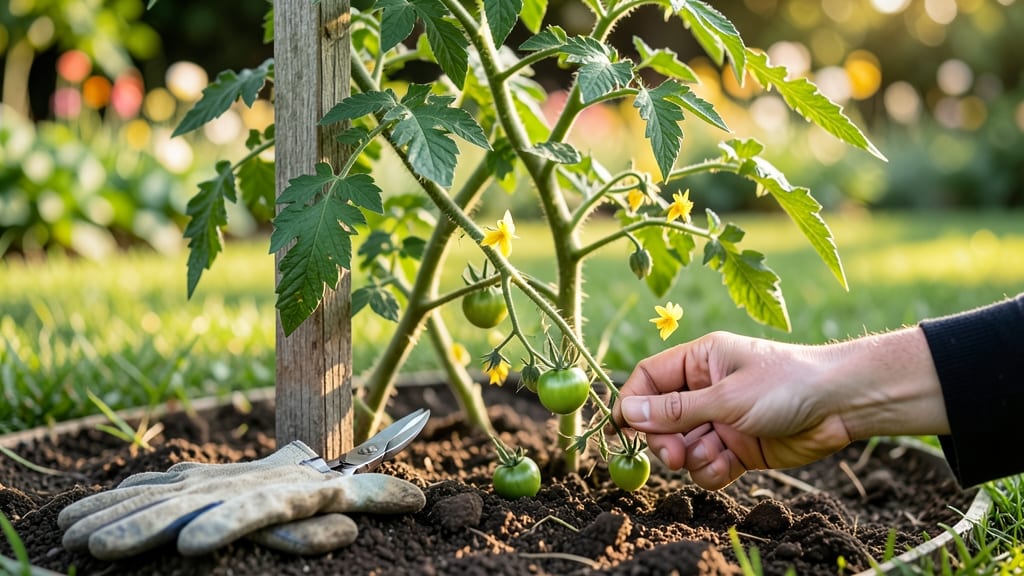
Pinch off tomato flowers to grow bigger, juicier fruit—it’s the secret trick gardeners swear by. 🌱 I used to ignore it, but after one season of tiny, watery tomatoes, I changed my approach. The key? Removing early flowers redirects the plant’s energy into fewer, stronger fruits.
This works best on indeterminate tomatoes (the vining types) and gives you 1-2 inches larger tomatoes by mid-season. You’ll need clean fingers or small pruners—no fancy tools. The timing matters too: wait until the plant has 4-6 sets of true leaves before starting.
What you’ll get is a plant that puts all its energy into a handful of perfect tomatoes instead of dozens of pea-sized ones. The vines grow stronger, the fruit ripens more evenly, and you’ll actually be able to slice those tomatoes for sandwiches without crying.
Works for both backyard gardens and container growers—just adjust the pruning frequency based on your plant’s growth rate. Here’s exactly how to do it without damaging your tomatoes.
📚 In This Guide
- What you need
- Instructions
- Tips and common mistakes
- Wrapping up and next steps
What you need
- ● Healthy tomato plants: Choose determinate (bush) or indeterminate (vining) varieties—both work, but indeterminate plants benefit most from pruning. 🌿
- ● Pruning shears or clean scissors: Sharp, sterilized tools prevent disease spread. A small pair (4–6 inches) works best for precision.
- ○ Gloves (optional but recommended): Protect your hands from thorns and dirt. Lightweight gardening gloves or even food-safe rubber gloves suffice.
- ● Ruler or measuring tape: Helps identify the 4th or 5th leaf cluster (your pruning target) from the bottom.
- ● Disinfectant (rubbing alcohol or bleach solution): Wipe tools before and after use to avoid bacterial/fungal contamination.
- ● Hand lens/magnifier: For spotting tiny flowers or buds you might miss with the naked eye.
- ● Pruning sealant: A small tube of tree wound sealant to coat cuts (reduces disease risk in humid climates).
- ● Notebook & pen: Track pruning dates and plant responses for future reference.
- ● Sun hat & sunscreen: Because gardening under the sun is always better with protection! ☀️
How to pinch off tomato flowers for larger fruit
Here’s the simple method I use to coax bigger, juicier tomatoes from my plants.
🌱 Step 1: Identify the Right Stage for Pinching
Wait until your tomato plant has developed at least 4-6 true leaves—those are the larger leaves after the initial seed leaves. This ensures the plant has enough energy to support new growth. I usually start when the plant is 10-12 inches tall, but the key is watching for strong stems and vibrant leaves rather than just height.
If you pinch too early, you’ll stunt the plant’s growth. If you wait too long, the plant may already have set too many flowers, making it harder to redirect energy. Feel the stems—they should be firm and upright, not leggy or wilting. This is your signal that the plant is ready.
✂️ Step 2: Locate and Remove the First Flower Clusters
Look for the first 2-3 flower clusters that appear near the base of the plant. These are the small, yellow or white blooms that form in the leaf axils (the angle where a leaf meets the stem). Use your fingers or clean pruning shears to pinch off the entire flower cluster, including the small stem it grows from.
Don’t just pluck the flowers—grab the stem just above the cluster to avoid leaving a stub that could regrow. I like to do this on a dry morning so the plant can recover quickly. You’ll see a clean break where the flower was, and the plant will start redirecting its energy upward instead of into fruit production.
🌿 Step 3: Monitor and Repeat for the Next Flower Clusters
Continue pinching off any new flower clusters that form on the lower third of the plant until it reaches 18-24 inches tall. This encourages the plant to grow taller and stronger before it starts focusing on fruit. Watch for new leaf growth—this is your cue that the plant is responding well to the pruning.
Once the plant hits 18-24 inches, you can stop pinching the lower flowers. At this point, the plant should have enough energy to support fruit production. If you see small, weak flowers forming higher up, you can leave those alone—they’ll develop into your main crop. The goal is to balance growth and fruit production for the biggest, healthiest tomatoes.
☀️ Step 4: Support the Plant as It Grows
After pinching, your tomato plant will likely grow taller and may need staking or caging to stay upright. Use the 1 tomato cage or 3-foot stake from your supplies to provide support. Tie the main stem loosely to the stake with soft plant ties, leaving room for the plant to grow. This prevents the stem from snapping under the weight of future fruit.
Keep the plant in a sunny spot with at least 6-8 hours of direct sunlight and water deeply once a week, ensuring the soil stays moist but not soggy. You’ll notice new leaves and stems emerging from the areas where you pinched off flowers—this is the plant’s way of telling you it’s redirecting energy to grow stronger.
⏰ Step 5: Let the Plant Flower and Fruit Later in the Season
Once the plant is fully established (around 3-4 weeks after pinching), it’s time to let it flower and fruit. You’ll see larger, more robust flower clusters forming higher up on the plant. These will develop into your main tomato crop, and because you’ve encouraged strong growth, the fruit will be bigger and more flavorful than if you’d let the plant fruit early.
Continue to monitor the plant for pests or disease, and prune any suckers (the small shoots that grow in the leaf axils) to keep the plant’s energy focused on the main stem. With this method, you’ll end up with fewer but larger tomatoes that are the stars of your harvest.
Tips & tricks for perfect tomato pruning
These simple tricks will help you get the most out of your tomato plants without the guesswork.
Timing is Everything: The 10-12 inch height guideline in Step 1 is your best friend. I've found that plants at this stage have developed enough root strength to handle pruning without shock. If your plant feels leggy or wobbly before reaching this height, it's not ready yet—wait another week. The key is that the stem should feel firm when you gently squeeze it, like a pencil, not flimsy like a straw. This ensures the plant has enough energy reserves to redirect.
Pruning Technique Matters: When you pinch those first 2-3 flower clusters in Step 2, make sure to use a clean cut just above the cluster's stem. I've ruined plants by leaving stubs that regrow into new flowers. Use your fingernail to make a small cut if you don't have pruning shears—just be gentle. The goal is to remove the entire flower cluster down to the main stem, not just the blossoms. This clean break is what tells the plant to focus its energy upward instead of into fruit production.
Monitor Growth Progress: After pinching, watch for new leaf growth between the main stem and where you removed flowers. This is your plant's way of telling you it's working! I usually check every 3-4 days, especially in the lower third of the plant. If you see small shoots growing in the leaf axils (those are suckers), pinch them off too—they'll compete with your main stem for energy. Remember, we're aiming for that 18-24 inch height before we let the plant focus on fruit.
Support System Strategy: Don't wait until your plant is toppling over to add that tomato cage or stake from Step 4. I've seen plants struggle to recover from leaning too far one way. Install your support system as soon as your plant reaches 12 inches tall, tying the main stem loosely with soft plant ties. This gives your plant stability from the start and prevents stem damage as it grows. The goal is to let it grow tall and strong without fighting for balance.
Pro Tips for Pinch Off Tomato Flowers
- These simple tricks will help you get the most out of your tomato plants without the guesswork.
- Timing is Everything: The 10-12 inch height guideline in Step 1 is your best friend.
- Pruning Technique Matters: When you pinch those first 2-3 flower clusters in Step 2, make sure to use a clean cut just above the cluster's stem.
Frequently asked questions
Got questions about pinching off tomato flowers? You’re not alone! Here are answers to the most common concerns—so you can prune like a pro and enjoy bigger, juicier tomatoes.
Why should I pinch off tomato flowers at all?
Pinching off early flowers redirects the plant’s energy from fruit production to stronger growth. This leads to bigger, healthier plants with larger tomatoes later in the season. It’s especially useful for indeterminate varieties (like cherry tomatoes) that grow continuously.
When is the best time to start pinching tomato flowers?
Start when your tomato plant is 12–18 inches tall and has 4–6 true leaves (not seedlings!). For indeterminate tomatoes, keep pinching until the plant is well-established (usually after the first big heatwave). Determinate varieties (bush tomatoes) rarely need pruning.
How do I know which flowers to pinch off?
Look for small yellow or white blossoms near the base of the plant or along the lower stems. Use your thumb and forefinger to gently snap them off—no need for scissors! Focus on flowers that appear before the plant hits 3–4 feet tall.
Will pinching tomato flowers reduce my harvest?
Not if done right! While you’ll lose early fruit, the trade-off is bigger, more flavorful tomatoes later. Think of it like saving energy for a superior second wave of harvests. Patience pays off—especially in short growing seasons!
What if I forget to pinch flowers and my plant already has fruit?
No stress! If your plant is already flowering, just focus on healthy growth first. Prune any weak or leggy stems to improve airflow, and fertilize with a balanced feed. The remaining flowers will still produce fruit—just smaller. Next season, start earlier!
Pro Tip: Label your plants!
If you’re experimenting with different pruning methods, tag each plant (e.g., “Pinched Early,” “Pinched Late,” “No Pruning”). This helps you track which technique yields the best results for your climate and tomato variety.
Wrapping up and next steps
Mastering the art of pinching off tomato flowers is a game-changer for bigger, healthier fruit—and it’s easier than you think! 🌱 With the right timing, tools, and technique, you’ll transform your tomato plants into powerhouses of productivity. Don’t let hesitation hold you back; grab those pruners and get growing!
Ready to take your harvest to the next level? Start with one plant this season, experiment with the method, and watch your tomatoes thrive. Happy gardening!