
Pests
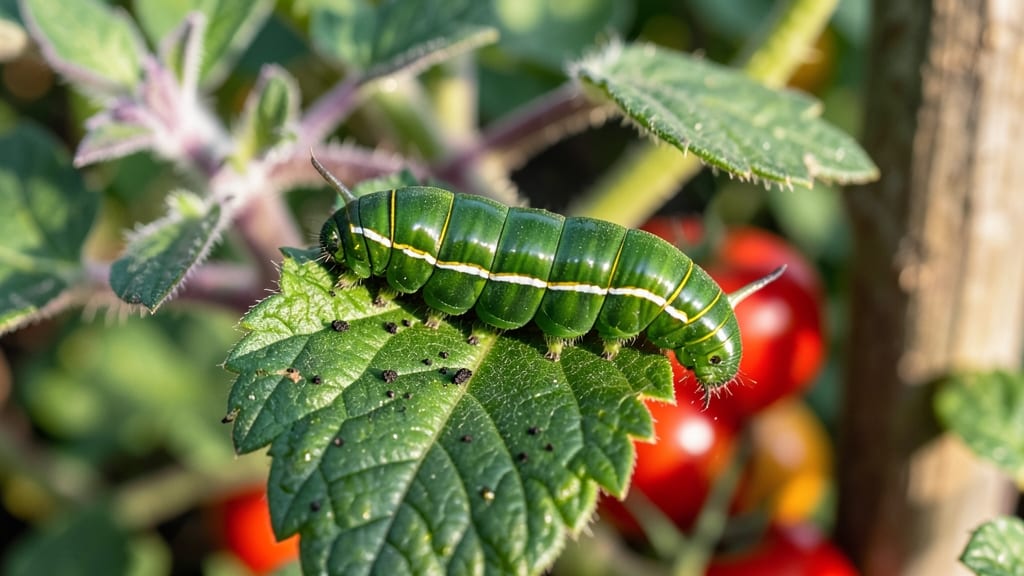
Tomato worms can turn your lush plants into skeleton leaves overnight—unless you act fast. ✨ I’ve lost entire harvests to these striped bandits, but after years of trial and error, I’ve perfected a foolproof hand-picking method that actually works.
The key? Timing, tools, and a little persistence. Most gardeners reach for sprays first, but the most effective defense is your hands. You’ll need a sharp pair of scissors, a bucket of soapy water, and a 10-minute window each morning when the worms are sluggish.
The secret weapon? A damp towel—they cling to it like it’s a lifeline. By mid-afternoon, your plants will look shockingly lush again, and the worms? Gone before they can multiply. The best part? This method protects pollinators and keeps your tomatoes pesticide-free while still delivering near-perfect results.
Works for hornworms, beet armyworms, and even tomato fruitworms. Here’s exactly how to do it without losing your sanity (or your tomatoes).
📚 In This Guide
- What you need
- Instructions
- Tips and common mistakes
- Wrapping up and next steps
What you need
- ● Gloves (heavy-duty) – 1 pair (to protect your hands from pricks and pests)
- ● Small container or bucket – 1 (1-2 gallon size) (for collecting worms and disposing of them)
- ● Sharp scissors or pruning shears – 1 pair (for trimming infested leaves/stems)
- ● Soapy water – Mix 1 tbsp mild dish soap in 1 gallon of water (for drowning worms quickly)
- ● Garden twine or rubber bands – Small roll (to tie up tomato plants for easier inspection)
- ○ Magnifying glass (optional) – 1 (helps spot tiny eggs or larvae)
- ● Neem oil or insecticidal soap – Small bottle (for treating plants after worm removal)
- ○ Handheld vacuum (with fine mesh) – 1 (optional) (for quick worm pickup)
- ● Flashlight – 1 (LED or headlamp) (for evening inspections when worms are most active)
- ● Garden journal or notebook – 1 (to track worm activity and treatment success)
Step-by-Step instructions for eliminating tomato hornworms
Here’s the method I rely on—no chemicals, just strategic hand-picking and prevention.
🌱 Step 1: Scout Early and Often for Early Signs
Start checking your tomato plants every 2-3 days once flowers appear. Look for dark green, 3-4 inch caterpillars with white diagonal stripes and V-shaped markings. They hide on the undersides of leaves, so flip foliage carefully—you’ll often find them camouflaged against the stems.
I always check in the early morning when dew makes them sluggish and easier to spot. If you find just one, act fast—each hornworm can devour an entire leaf overnight. The key is catching them before they reach 3 inches long, when they’re most vulnerable to manual removal.
✂️ Step 2: Hand-Pick Worms at the Right Time
Wait until late afternoon when the worms are less active and the plants are slightly wilted from heat. Grab a pair of gardening gloves (they have tiny hairs that irritate skin) and a small container with soapy water. Approach the plant from behind to avoid startling them—hornworms can be surprisingly fast when threatened.
Gently grasp the worm by its thickest segment (never the head—they’ll thrash violently). Drop it immediately into the soapy water, which dissolves their protective coating and kills them instantly. I always double-check the entire plant after removal—missing even one means more damage tomorrow.
🌿 Step 3: Prevent Future Infestations Naturally
After removing worms, introduce beneficial predators like parasitic wasps (they lay eggs inside hornworms) or ladybugs. I’ve found that planting dill, fennel, or parsley nearby attracts these natural allies—hornworms avoid these herbs, and the predators love the habitat. Rotate crops yearly to disrupt their life cycle.
Apply a thin layer of diatomaceous earth around the base of plants (not directly on leaves). This microscopic powder dehydrates soft-bodied pests like hornworms without harming your tomatoes. Reapply after rain, but always wear a mask when handling it—it’s abrasive to lungs.
☀️ Step 4: Monitor and Maintain Vigilance
Keep a weekly inspection schedule during peak hornworm season (late spring to early summer). I mark my calendar with reminders—skipping just one week can lead to an outbreak. If you see chewed leaves with frass (black droppings), it’s a sure sign they’re active nearby, even if you can’t spot them yet.
Prune heavily damaged leaves immediately to reduce hiding spots. Healthy plants with good airflow recover faster, so avoid overcrowding tomato cages and remove any diseased foliage. The goal is to make your garden less inviting than the wildflowers next door—hornworms will always choose the easier meal.
Tips & tricks for effective tomato hornworm control
These pro strategies will help you stay one step ahead of these voracious pests—without resorting to harsh chemicals.
Timing is Everything: The early morning check in Step 1 is your best chance to spot hornworms before they become too large. Dew makes them sluggish and easier to identify against the foliage. I've found that checking between 6-8 AM consistently catches them before they've had time to hide deep in the plant. Remember, once they reach 3 inches, they're much harder to remove without damaging the plant.
Gloves and Soapy Water are Non-Negotiable: Never skip the gloves when handling hornworms—their tiny hairs can cause skin irritation for some people. I keep a small container of soapy water (dish soap works) right by my gardening tools. The key is to drop them in immediately after grasping—they'll start thrashing violently if you hesitate. This method kills them instantly without harming your plants or beneficial insects.
Prevention is Your Best Defense: The herbs mentioned in Step 3 (dill, fennel, parsley) aren't just for attracting predators—they also act as natural deterrents. I've noticed that hornworms avoid these plants entirely. Plant them in a border around your tomato patch or intersperse them between plants. For diatomaceous earth application, focus on the soil around the base rather than the leaves—this prevents it from blowing away while still being effective against crawling pests.
Visual Cues Save Time: When inspecting plants, look for three key signs: the characteristic V-shaped markings, black frass (droppings) on leaves, and partially eaten leaves with jagged edges. I train myself to scan from the bottom up—hornworms often hide near the base where they're less visible. Keep a small notepad to mark which plants need more frequent checks if you spot early signs of activity.
Pro Tips for Rid Tomato Worms
- These pro strategies will help you stay one step ahead of these voracious pests—without resorting to harsh chemicals.
- Timing is Everything: The early morning check in Step 1 is your best chance to spot hornworms before they become too large.
- Gloves and Soapy Water are Non-Negotiable: Never skip the gloves when handling hornworms—their tiny hairs can cause skin irritation for some people.
Frequently asked questions
Got questions about tackling tomato worms? You’re not alone!
Here are some of the most common concerns—and straightforward answers—to help you keep your tomato plants thriving.
How do I know if my tomato plants have worms?
Look for chewed leaves, sawdust-like frass (worm poop), or small, green caterpillars (tomato hornworms) hiding under leaves. Check the undersides of leaves and the fruit stems—that’s their favorite hiding spot!
When is the best time to pick tomato worms?
Morning is ideal! Worms are sluggish after cooler nights, making them easier to spot and remove. Avoid midday heat when they’re more active and blend into foliage. Pro tip: Use a flashlight at dusk if you’re dealing with a severe infestation.
What if hand-picking isn’t enough? Are there alternatives?
Yes! Combine hand-picking with neem oil, Bt (Bacillus thuringiensis), or row covers for heavy infestations. For organic growers, parasitic nematodes or beneficial wasps (like Trichogramma) can help long-term.
Will removing tomato worms affect my tomato yield?
Worms can devour entire fruits overnight, but consistent removal early in the season minimizes damage. Focus on young plants and flowering stages—this is when worms are most destructive. With vigilance, you’ll still get a bountiful harvest!
How often should I check my tomato plants for worms?
Aim for 2–3 times per week during peak season (late spring to early fall). Increase to daily checks if you’ve spotted worms before. Pro tip: Train your kids or neighbors to help—fresh eyes spot hidden pests faster!
Still stumped? Drop your question in the comments—we’re happy to help you keep those worms at bay!
Wrapping up and next steps
Ridding your tomato plants of worms doesn’t have to be a battle—just a quick, consistent routine! 🌱 From hand-picking and neem oil sprays to companion planting, these methods are your secret weapons for a thriving, worm-free harvest.
Start small, stay vigilant, and soon you’ll be enjoying juicy, blemish-free tomatoes all season long.
Ready to take action? Grab your gloves, check your garden today, and turn those pesky pests into a thing of the past. Your future self (and your tomato plants!) will thank you.