
Pests
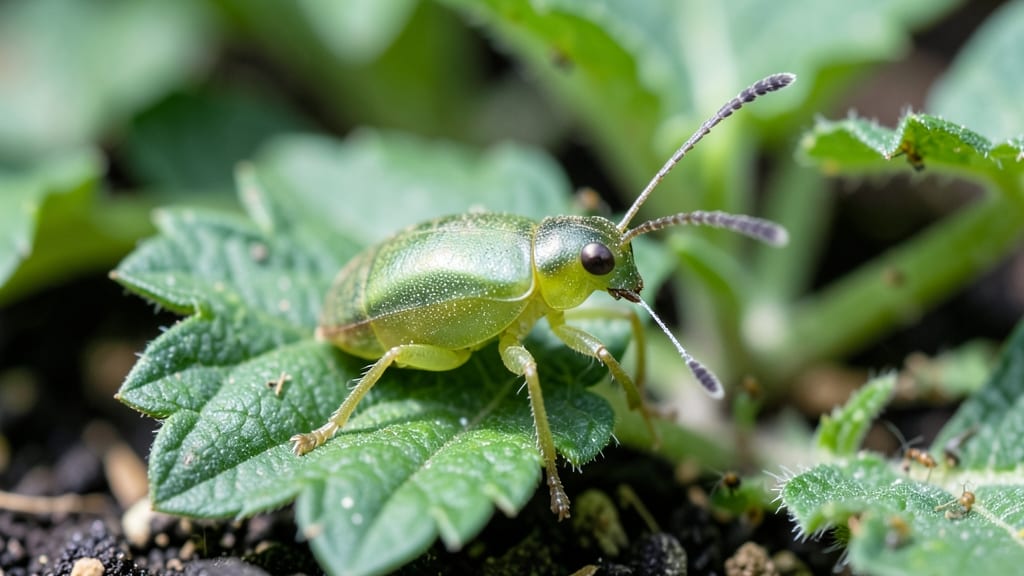
To get rid of tomato aphids, spray plants with a strong stream of water to dislodge them, apply neem oil or insecticidal soap, and introduce natural predators like ladybugs or lacewings. Repeat treatments every 5–7 days for best results.
Tomato aphids multiply rapidly, so acting fast is key. 🌱 These tiny pests suck plant sap, weakening vines and distorting leaves within days. I've found that combining physical removal (water spray) with organic treatments disrupts their life cycle most effectively.
Neem oil works by smothering aphids and their eggs, while ladybugs provide long-term biological control by eating hundreds of aphids daily. The 5–7 day treatment window ensures you catch new hatchlings before they establish colonies.
For best results, focus on undersides of leaves where aphids cluster, and treat both infected plants and nearby weeds that may harbor aphids. Early morning applications minimize evaporation and maximize effectiveness. 🔥
💡 In This Article
- Why Timing Matters in Tomato Aphid Control
- Best Organic Sprays and Natural Predators for Tomato Aphids
Why timing matters in tomato aphid control
Tomato aphids reproduce at an alarming rate—under ideal conditions, a single female can produce up to 80 offspring in just 10 days through a process called parthenogenesis, where they clone themselves without mating.
This exponential growth explains why you might notice a few aphids one morning and a full-blown infestation by afternoon. The key to control lies in disrupting this cycle early, before colonies establish themselves on your plants.
The aphid life cycle is triggered by environmental cues like warm temperatures (70-80°F) and high humidity, which create perfect breeding conditions. Aphids prefer new plant growth because the tender stems and leaves are easier to penetrate with their piercing mouthparts.
This is why you'll often see them clustered on tomato suckers or fresh foliage. 🌿 If you wait until you see visible damage—yellowing leaves, curled foliage, or sticky honeydew—you're already dealing with a well-established colony that's harder to eradicate.
Consistent treatment every 5-7 days is critical because aphids lay eggs that hatch into nymphs, which mature into adults capable of reproducing in just 7-10 days.
By maintaining this schedule, you're essentially creating a moving target for the aphids—just as one generation is reaching reproductive age, your intervention knocks them back. Think of it like a game of whack-a-mole: if you don't keep up, the moles (aphids) will always win.
This timing also prevents secondary issues like sooty mold, which thrives on the honeydew aphids excrete.
Seasonal patterns play a huge role too. Aphids are most active during spring and early summer when tomato plants are actively growing, but they can persist into fall if conditions remain favorable. In cooler climates, they may go dormant in winter only to return with a vengeance in spring.
That's why I recommend starting preventive measures as soon as you see the first true leaves emerge—better to be proactive than reactive. 🌱 Early intervention isn't just about saving your tomatoes; it's about giving your plants the best chance to thrive without constant stress from these sap-sucking pests.
Another timing trick is to apply treatments in the early morning when aphids are most active and the air is cooler. This reduces evaporation of your spray solutions and gives them maximum contact time with the pests. Plus, you'll avoid the heat of midday which can stress your plants.
I've found that combining this with a 10-minute soak of the soil in diluted neem oil (1 tablespoon per gallon of water) creates an inhospitable environment for aphids while nourishing your tomato roots.
What most gardeners don't realize is that aphids have a built-in survival mechanism: they produce a waxy coating that makes them resistant to many sprays. This is why you need to combine physical removal (water spray) with chemical disruption (neem oil) and biological control (ladybugs).
The water spray removes the immediate threat, the neem oil smothers their waxy coating, and the ladybugs provide ongoing pressure that aphids can't easily outrun. 🦗 This multi-pronged approach is what actually gives you the upper hand in this battle.