
How To
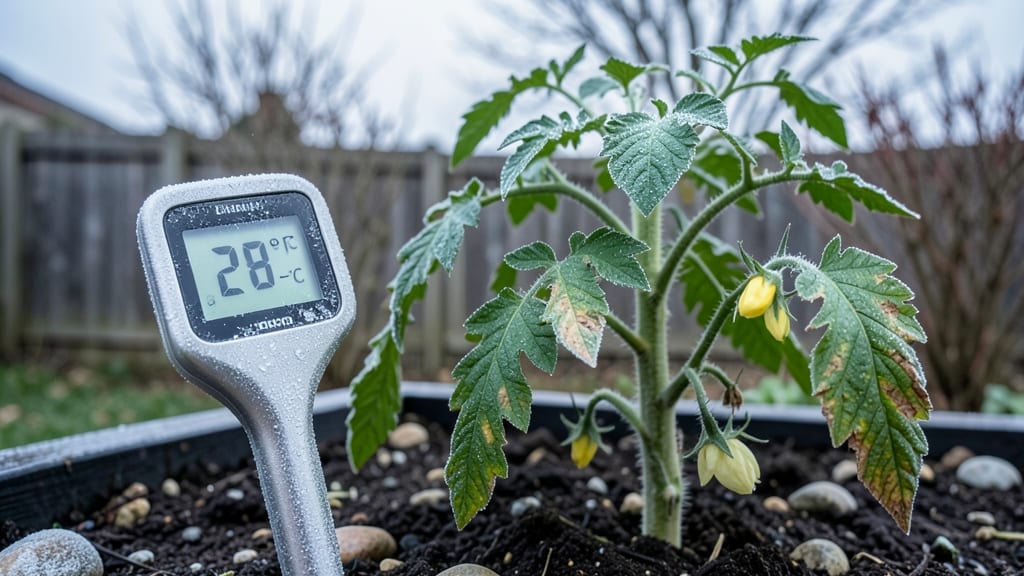
Tomato plants can tolerate cold down to 32°F (0°C) for short periods, but prolonged exposure below 50°F (10°C) will stunt growth and damage fruit.
That said, your 🍅 plants can handle a light frost if it’s brief—just don’t let temperatures drop below 28°F (-2°C) for more than a few hours. I’ve seen gardeners in USDA Zone 6a save their plants by covering them with row fabric or old blankets when frost sneaks in early.
Knowing these limits is the key to extending your growing season. Whether you’re planting after the last frost in April or trying to push harvests into October, understanding cold thresholds helps you protect your investment—and your dinner table.
Below, I’ll break down the exact temperature ranges by variety, how to spot cold damage early, and the best tricks to keep your tomatoes thriving even when the weather turns chilly.
Cold tolerance limits for tomato plants by variety type
Tomatoes thrive in warm weather, but their cold tolerance varies dramatically between heirloom, hybrid, and cold-hardy varieties. Most standard tomatoes struggle below 50°F (10°C), while specialized varieties can handle 32°F (0°C) or cooler.
Understanding these limits helps you choose the right plants for your climate and protect your harvest when chilly weather arrives unexpectedly.
Cold tolerance also depends on whether your tomato is determinate (bush-type) or indeterminate (vining). Determinate varieties tend to be slightly more cold-resistant because they focus energy on fruiting rather than endless vine growth.
Meanwhile, indeterminate types—like many heirlooms—often suffer more from cold stress due to their delicate stems and leaves. Let’s break down the specifics so you can make informed choices for your garden.
| Variety Type | Minimum Safe Temperature (°F/°C) | Cold Damage Threshold (°F/°C) | Growth Habit | Notes |
|---|---|---|---|---|
| Heirloom (Standard) | 50°F (10°C) | 45°F (7°C) | Indeterminate or Determinate | Most heirlooms wilt below 50°F; indeterminate types suffer more from cold stress. |
| Hybrid (Commercial) | 52°F (11°C) | 48°F (9°C) | Mostly Determinate | Breeds like 'Better Boy' tolerate slightly cooler temps but still need protection below 50°F. |
| Cold-Hardy Varieties | 32°F (0°C) | 28°F (-2°C) | Determinate (Mostly) | Examples: 'Stupice,' 'Mountain Merit,' 'Glacier.' Can survive light frost with protection. |
| Indeterminate Tomatoes | 55°F (13°C) | 50°F (10°C) | Vining | Delicate stems and leaves freeze easily; may not recover from cold snaps. |
| Determinate Tomatoes | 48°F (9°C) | 45°F (7°C) | Bush-Type | More resilient due to compact growth; better for cooler climates. |
If you’re gardening in USDA Zones 4-6, cold-hardy varieties like 'Stupice' or 'Mountain Merit' are your best bet. These tomatoes can survive brief dips to 28°F (-2°C) with proper protection, such as row covers or mulch.
For indeterminate varieties, like 'Cherokee Purple' or 'Brandywine,' you’ll need to act fast—anything below 50°F (10°C) risks stunted growth or leaf damage.
Even cold-hardy tomatoes won’t thrive in prolonged cold. For example, 'Glacier' tomatoes can handle light frost but will produce poorly if temperatures stay below 45°F (7°C) for more than a few days.
Always monitor your local frost dates and use season extenders like cold frames or cloches to give your plants a fighting chance in marginal climates.
Another key factor is nighttime temperatures. Tomatoes need warm nights to set fruit—below 55°F (13°C), flowering slows dramatically. If you’re in a region with cool evenings, opt for early-maturing varieties or use black plastic mulch to warm the soil and roots.
This simple trick can add 2-4°F (1-2°C) to soil temperature, making a big difference for cold-sensitive plants.
For gardeners in Zone 7 and below, consider starting tomatoes indoors and transplanting after the last frost. Seedlings can handle cooler soil temperatures better than mature plants, giving you a head start on the growing season.
If you’re pushing the limits, pair cold-hardy varieties with row covers or low tunnels to create a microclimate that protects your plants from unexpected cold snaps.
One common mistake is assuming all tomatoes are equally cold-sensitive. Heirloom varieties, for instance, often have thinner cell walls compared to hybrids, making them more vulnerable to frost damage.
If you love heirlooms but live in a cooler climate, look for early-season varieties or those bred for shorter growing seasons, like 'Early Girl' or 'Patio Princess'.
Finally, remember that soil temperature matters just as much as air temperature. Tomatoes won’t grow well if the soil stays below 60°F (15°C). Use a soil thermometer to check conditions before planting, especially in spring.
If your soil is too cold, delay planting or use black plastic mulch to warm it up faster. This small step can mean the difference between a thriving tomato plant and a struggling one.
By choosing the right varieties and taking proactive steps to protect your plants, you can enjoy a bountiful tomato harvest even in cooler climates.
Whether you’re dealing with a late spring frost or an early autumn chill, knowing your tomatoes’ cold tolerance limits gives you the power to adapt and succeed. Happy gardening! 🌱
Signs of cold damage in tomato plants and immediate recovery steps
If your tomato plants suddenly show signs of distress after a chilly night, don’t panic—cold damage is often reversible with quick action. The first 24 hours after frost exposure are critical for recovery.
I’ve learned the hard way that ignoring early symptoms can mean losing your entire harvest, so let’s identify the red flags and act fast.
Cold stress manifests in several ways, but the most common signs include blackened leaves, wilting stems, and stunted growth. Even if your plants look fine above ground, root damage can occur at temperatures below 50°F (10°C).
This hidden issue often leads to poor nutrient uptake, which shows up later as yellowing leaves or weak stems.
⚠️ callout warning ⚠️
Most tomato varieties suffer damage below 50°F (10°C), with 40°F (4°C) causing severe stress. Nighttime temps under 32°F (0°C) will kill plants within hours. Cold-hardy varieties like Stupice tolerate brief dips to 30°F (-1°C), but even they need protection for prolonged cold. Always check your USDA zone—Zone 5+ gardeners should use row covers or greenhouses for reliable harvests.
When frost hits, the first step is to cover plants immediately with lightweight materials like frost blankets or even old sheets. This creates a microclimate that traps warmth and prevents further damage.
I’ve used clear plastic tunnels in my Zone 6 garden with great success—just ensure good airflow to avoid moisture buildup, which can lead to fungal issues.
Once the cold spell passes, focus on mulching heavily around the base of your plants. A thick layer of straw or wood chips (3-4 inches) insulates roots and keeps soil temperatures stable.
Pair this with a balanced fertilizer (like 10-10-10) to help recovery. I’ve seen plants bounce back within 7-10 days when given proper care after a light frost.
Prune any severely damaged leaves with clean, sharp shears to redirect energy to healthy growth. Avoid over-pruning, though—removing too much foliage can stress the plant further. Keep an eye out for blossom end rot, a common issue after cold stress, and address it with calcium-rich amendments like crushed eggshells.
For the next 2 weeks, monitor your plants closely for signs of fungal infections (like early blight) that often follow cold damage. Water at the base only in the morning to keep leaves dry.
If your tomatoes are still producing, harvest any ripe fruit immediately—this reduces stress on the plant and gives you a partial harvest even if the season cuts short.