
How To
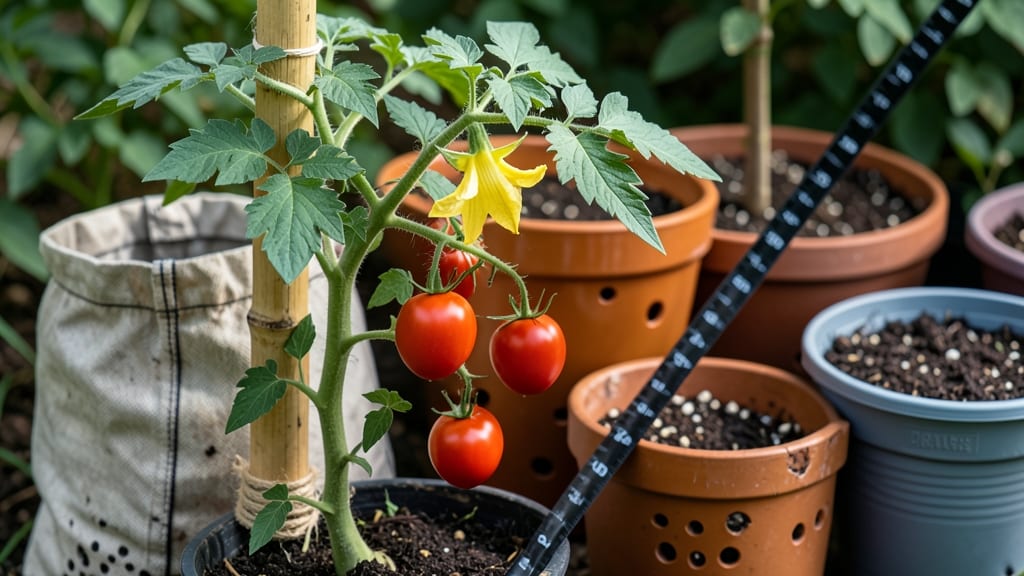
A tomato plant needs a pot that matches its growth habit—5-gallon minimum for determinate types, but 15+ gallons for sprawling indeterminate varieties like 'Sungold'.
Picture this: your cherry tomatoes thriving in a cozy 3-gallon container, while your beefsteak variety chokes in the same space, its roots circling desperately. The right pot size isn’t just about fit—it’s about unlocking bigger yields and preventing disease. But how do you know when to upgrade?
Most gardeners underestimate how fast roots outgrow their containers. A 1-gallon seedling pot becomes a prison by transplant time, while mature plants need depth and drainage to support heavy fruit loads. Terracotta breathes better than plastic, but fabric grow bags offer flexibility—each material has trade-offs.
In this guide, I’ll break down pot sizes by variety, when to upgrade containers, and 5 space-saving hacks to maximize growth in limited pots. No more guessing—just data-driven sizing for your 🍅 harvest.

Tomato pot size requirements by variety type (indeterminate vs determinate)
Tomatoes aren’t one-size-fits-all when it comes to containers. The variety type determines your pot size needs—indeterminate vines that grow 6+ feet tall need 5-gallon pots at minimum, while determinate bushes stay compact in 3-gallon containers.
Ignore these differences, and you’ll risk stunted growth, poor yields, or even plant death from root-bound stress. Let’s break down the exact pot sizes for each type, so you can choose containers that match your tomato’s ambitions.
First, understand the core difference: indeterminate tomatoes keep producing fruit until frost, while determinate tomatoes set all their fruit at once and stop growing after that.
This means indeterminate varieties need deeper pots (at least 12 inches deep) to support their vertical growth, whereas determinate types thrive in shallower containers (8–10 inches deep).
A 5-gallon pot might work for cherry tomatoes but will leave beefsteak varieties struggling to feed their massive roots and fruit load.
Root space is the hidden hero of container gardening. Tomato roots spread 12–18 inches wide for indeterminate types and 8–12 inches for determinate ones. Crowd a plant, and its roots compete for nutrients, leading to smaller fruit and increased disease risk. For example, a Sungold cherry tomato (indeterminate) can thrive in a 5-gallon pot, but the same pot will leave a Brandywine beefsteak (also indeterminate) stunted and stressed. Always match your pot size to the mature plant size, not just its current stature.
Here’s the non-negotiable rule: Minimum pot size should equal 50% of the plant’s mature height. So a 6-foot indeterminate tomato needs at least a 10-gallon pot (about 18 inches wide), while a 3-foot determinate tomato can happily live in a 3-gallon pot.
This rule prevents root circling, a common issue where roots grow in tight loops, strangling themselves and starving the plant.
Pot material matters too. Terracotta pots dry out faster but breathe better, while plastic pots retain moisture longer but can overheat in summer. For indeterminate varieties, opt for fabric grow bags—they mimic soil conditions and reduce root stress.
Pro tip: Add 1–2 inches of gravel to the bottom for drainage, but avoid overdoing it, as too much air space can suffocate roots. Always use pots with drainage holes—waterlogged roots lead to root rot, a silent killer of container tomatoes.
Don’t forget about support structures. Indeterminate tomatoes need cages or trellises to handle their weight, and these should be buried or anchored into the pot’s base for stability. A 5-gallon pot with a 6-foot tomato leaning precariously is a recipe for disaster.
For determinate types, a simple stake or small cage suffices. Pair your pot choice with the right support, and you’ll avoid snapped stems and lost harvests.
One common mistake is upgrading pots too late. Seedlings start in 1–2 gallon pots, but by the time they’re
How tomato plant growth stages change pot size needs
Your tomato plant’s pot size needs evolve dramatically as it grows, from a tiny seedling to a fruit-laden giant. At the seedling stage, a 1-2 gallon pot is perfect—just enough to hold those fragile roots without overwhelming them.
But once you transplant outdoors or into larger containers, the rules change completely. Indeterminate varieties like 'Sungold' will need 15+ gallons by maturity, while bush varieties like 'Roma' thrive in 5-gallon pots. Skipping upgrades can stunt growth and reduce yields.
Understanding these shifts helps you avoid root-bound stress—when roots circle the pot and choke growth. The key is matching container size to your plant’s root development and fruit production needs at each stage.
For example, a 3-gallon pot might work for a determinate tomato early on, but by flowering, it’ll feel like a prison. Let’s break down the exact pot sizes you’ll need at every growth phase.
If your tomato plant’s roots are circling the pot or growing out of drainage holes, it’s root-bound. Signs include:
- Stunted growth despite good care
- Yellowing leaves at the bottom
- Roots visible above soil surface
Fix it now: Upgrade to a pot 2-3x larger (e.g., from 5 to 15 gallons) and trim 1/3 of the roots before repotting. Ignoring this can cut yields by 50%+.
At the seedling stage (weeks 1-4), your tomato starts life in a 1-2 gallon pot. This small size prevents overwatering and keeps roots from getting too tangled. Use well-draining soil and keep the pot in a sunny windowsill or under grow lights.
The goal here is to grow a sturdy seedling with a strong root system—don’t let it outgrow this pot for more than 2-3 weeks, or you’ll risk weak stems.
When it’s time to transplant (weeks 4-6), move your seedling to a 3-5 gallon pot. This is the minimum size for healthy growth before flowering.
For determinate tomatoes, a 5-gallon pot is often enough for the entire season, but indeterminate varieties will need upgrades to 7-10 gallons by mid-season. This stage is critical—too small, and your plant will struggle to support fruit production.
By the time your tomato reaches maturity (weeks 8-12+), its pot size needs can vary wildly. Cherry tomatoes like 'Sweet 100' do well in 5-7 gallon pots, but beefsteak varieties like 'Brandywine' demand 15+ gallons.
Look for pots with 12+ inches in diameter to accommodate sprawling roots. If your plant is top-heavy with fruit, consider a heavier container (like ceramic) to prevent tipping over.
Don’t wait until you see warning signs to upgrade—act proactively. If your tomato’s leaves start yellowing or it stops producing flowers, it’s begging for more space. A simple trick: Gently wiggle the plant in its pot.
If roots resist, they’re root-bound. Upgrade to a pot 2-3 times larger and add fresh compost-rich soil to give roots room to breathe.
Remember, the right pot size isn’t just about fitting your plant—it’s about fueling its potential. With the right container at each stage, you’ll enjoy bigger tomatoes, healthier vines, and a harvest that keeps giving all season. Start small, but think big! 🌱