
Planting
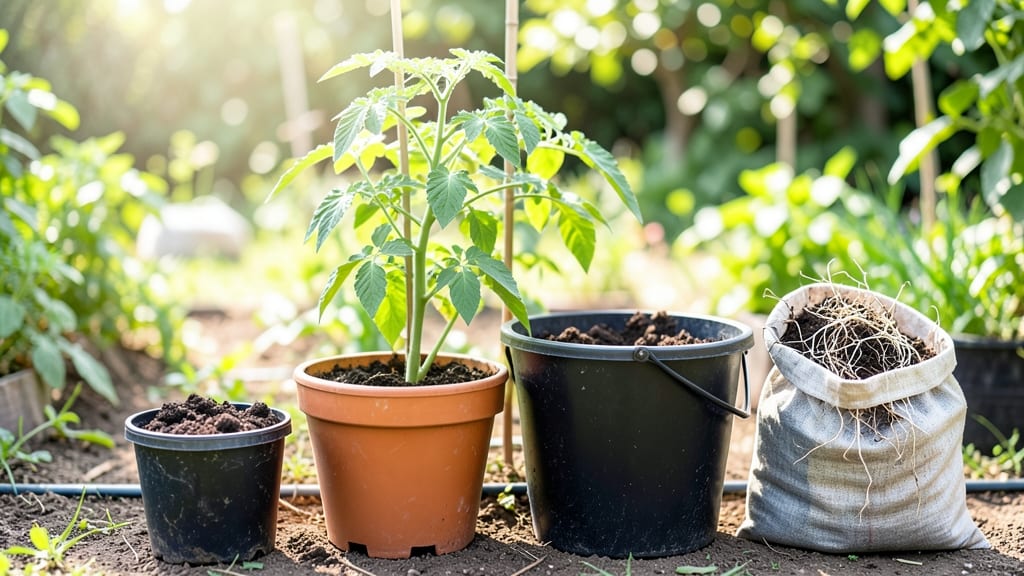
The right pot size for cherry tomato plants 🍅 is the foundation of a bountiful container harvest—and getting it wrong can mean the difference between a vine bursting with fruit and one that struggles to survive.
Picture this: you’ve spent weeks nurturing your cherry tomato seedlings, only to transplant them into a pot that’s just a little too shallow. Roots crowd, growth stalls, and before you know it, your plants are fighting for space instead of producing those sweet, bite-sized tomatoes you dreamed of.
Container depth matters more than you might think. A 5-gallon pot is the minimum for most varieties, but indeterminate types (the ones that keep growing all season) need even more room—up to 7 gallons or deeper—to support their sprawling vines and heavy fruit loads.
In this guide, I’ll break down the exact pot sizes you need based on your cherry tomato variety, how to pick the best container material for drainage and stability, and pro tips to maximize your harvest even in small spaces.


Cherry tomato plant pot size requirements by variety type
When growing cherry tomatoes in containers, the biggest mistake I see is underestimating how much space those hungry roots need. Determinate and indeterminate varieties have completely different requirements, and getting this wrong can mean the difference between a bumper crop and a sad, struggling plant.
Let me break down exactly what each type needs to thrive in pots.
First, let's tackle the root system differences. Determinate cherry tomatoes grow in compact bushes, while indeterminate varieties climb indefinitely. This means indeterminate plants need deeper containers to support their sprawling roots and vines.
For both types, though, drainage holes and well-draining soil are non-negotiable—root rot is a silent killer in containers.
Here's the critical part: most gardeners assume a standard 5-gallon bucket will work, but that's often too small. The minimum pot size for cherry tomatoes should be 12-18 inches deep for indeterminate varieties, while determinate types can sometimes thrive in 10-12 inch deep containers.
Width matters too—aim for at least 12 inches in diameter to give roots room to spread and access nutrients.
🌱
| Variety Type | Minimum Pot Size | Root Depth Needed | Gallon Equivalent | Spacing per Pot |
|---|---|---|---|---|
| Determinate (e.g., 'Tiny Tim', 'Patio Princess') | 10-12" deep × 12" diameter | 12-18" | 5-7 gallons | 1 plant |
| Indeterminate (e.g., 'Sweet 100', 'Sun Gold') | 18-24" deep × 12-18" diameter | 24-36" | 10-15 gallons | 1 plant (cage/support needed) |
| Dwarf/Compact (e.g., 'Tumbling Tom') | 8-10" deep × 10-12" diameter | 10-12" | 3-5 gallons | 1-2 plants |
| Trailing Varieties (e.g., 'Micro Tom') | 12" deep × 12-15" diameter | 12-18" | 5-7 gallons | 1 plant (hanging basket) |
*All containers must have drainage holes and be placed in full sun (6-8 hours daily)
One common mistake I see is crowding multiple plants into a single container. While it might seem like a space-saving hack, root competition leads to stunted growth and poor fruit production.
For determinate varieties, you can sometimes fit two plants in a 12-inch diameter pot, but only if they're dwarf varieties like 'Tumbling Tom'. Indeterminate types should never share containers—their sprawling roots need all the space they can get.
For indeterminate cherry tomatoes, I recommend using fabric grow bags or plastic containers that are at least 18 inches deep. These varieties can grow 6-10 feet tall with proper support, and their roots will follow that growth pattern.
A 5-gallon bucket is simply not enough—you'll end up with a plant that's top-heavy and struggling to support its own weight, let alone produce fruit.
Another pro tip: if you're growing indeterminate varieties, consider using a self-watering container with a 15-gallon capacity. These help maintain consistent moisture levels, which is crucial for cherry tomatoes that produce fruit continuously throughout the season.
The extra depth also gives roots room to explore, leading to healthier plants and better yields.
When selecting containers, pay attention to the material. Terracotta pots dry out faster but provide excellent breathability, while plastic retains moisture longer. Fabric grow bags are my favorite for indeterminate varieties because they allow roots to breathe while still providing ample space.
Just remember to use lightweight potting mix designed for containers—regular garden soil compacts and doesn't drain well.
🪴
Let me share a real-life example from my own garden. Last season, I planted 'Sweet 100' indeterminate cherry tomatoes in 10-gallon fabric pots (about 18 inches deep). The plants thrived, producing fruit all summer long.
But when a neighbor tried the same variety in 5-gallon buckets, their plants looked stressed and produced very few tomatoes. The difference? Root space—my plants had room to grow, while hers were root-bound within weeks.
If you're working with limited space, consider vertical growing techniques. You can train indeterminate varieties to grow up a trellis or cage in
How to choose the perfect container for cherry tomatoes: material, drainage, and size tips
Selecting the right container for your cherry tomato plants isn't just about aesthetics—it's about giving your vines the root space and drainage they need to thrive. Too-small pots lead to root-bound stress, while poorly draining materials can drown your plants before they even set fruit.
I’ve learned the hard way that 5-gallon containers are the minimum for most varieties, but material matters just as much as size.
When choosing between fabric grow bags, plastic pots, or ceramic containers, consider weight, breathability, and how each affects your plant’s growth. Fabric pots, for example, allow roots to breathe but dry out faster, while heavy ceramic holds moisture longer but can crack in freezing temps.
Let’s break down the pros and cons to help you make the best choice for your container-grown cherry tomatoes.
Pot Size for Cherry Tomato Plants: Pros & Cons
- Pros: Minimum size for determinate varieties
- Pros: Affordable and widely available
- Cons: Too small for indeterminate types
- Cons: Requires frequent watering
- Pros: Ideal for indeterminate varieties
- Pros: Better moisture retention
- Cons: Heavier and harder to move
- Cons: Higher cost for large quantities
- Pros: Excellent root aeration
- Pros: Lightweight and portable
- Cons: Dries out faster than plastic
- Cons: Limited durability (1-2 seasons)
- Pros: Aesthetic appeal for patios
- Pros: Retains moisture well
- Cons: Heavy and fragile
- Cons: Poor insulation in cold weather
For drainage, never skip the holes—even if your pot looks pretty without them. I once grew cherry tomatoes in a decorative ceramic pot without drainage and lost the entire plant to root rot within weeks.
Add a cactus liner or layer of gravel at the bottom to prevent soil from clogging the holes while still allowing excess water to escape.
If you’re working with limited space, consider stackable containers or vertical growing systems. I’ve had great success with 5-gallon buckets stacked in a tower, each holding a single plant. This not only saves floor space but also makes it easier to rotate pots for even sunlight exposure.
Just ensure each container has its own drainage system to avoid water pooling between layers.
Don’t forget to factor in weight—especially if you plan to move your containers frequently. Plastic pots are the lightest option, while ceramic can weigh 20 pounds or more when filled with soil.
For balcony gardeners, I recommend fabric grow bags filled with a lightweight soil mix (like 60% potting soil and 40% perlite) to keep things manageable.
Finally, pair your container choice with the right soil mix. Cherry tomatoes need well-draining, nutrient-rich soil with a pH between 6.0 and 6.8. Avoid garden soil—it compacts in containers and suffocates roots.
Instead, mix compost, worm castings, and a slow-release fertilizer like osmocote into your potting mix for the best results.