
Pests and Diseases
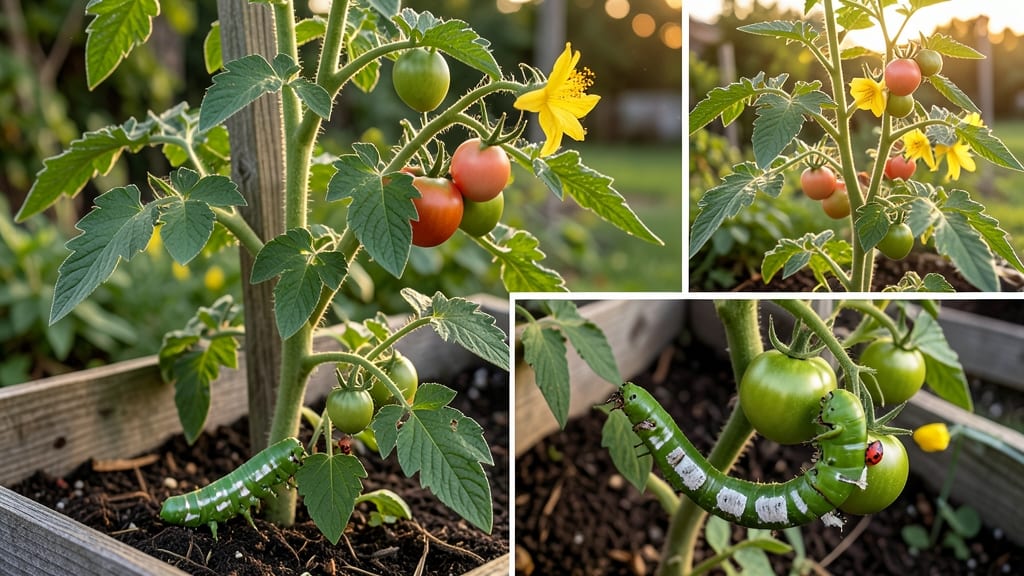
Hornworms on tomato plants can turn your lush vines into skeleton leaves overnight—unless you act fast. 🌱 I’ve watched these striped bandits devour entire tomato plants in days, but there’s a way to stop them without harming your harvest or the garden ecosystem. The good news?
You don’t need harsh chemicals. Handpicking is the fastest method—just grab them (they’re big and slow) and drop them in soapy water. For a more hands-off approach, neem oil or parasitic wasps do the work for you while keeping your tomatoes safe.
By the end of this, you’ll spot hornworms before they spot your plants, and your tomatoes will stay plump, green, and full of potential. The secret is early action and a few simple tricks that work every time.
Works for backyard gardens, containers, and even raised beds—no matter how many hornworms are already munching away.
Why Your Tomatoes Become Hornworm Buffets
Hornworms—those striped, voracious caterpillars—don’t just appear out of nowhere. They’re drawn to your tomato plants for very specific reasons, often tied to the plant’s health, your garden’s ecosystem, or even your local climate.
Understanding these triggers is the first step to preventing (or at least managing) their appetite for your harvest. Let’s break down the science behind why your tomatoes are suddenly on the menu.
Hornworms (primarily Manduca sexta and Manduca sexta) have a biological preference for plants in the nightshade family—tomatoes, peppers, eggplants, and potatoes. Here’s why:
- Rich in nutrients: Tomato leaves and stems are packed with soluble sugars, proteins, and alkaloids that hornworms crave. Their saliva even contains enzymes that break down plant defenses, making tomatoes easier to digest.
- Volatile compounds: Tomato plants release terpenes and green leaf volatiles when damaged, which act like a dinner bell to hornworms. A single chewed leaf can attract more within hours.
- Soft, tender growth: Young tomato plants with hairless, succulent leaves are ideal for hornworm feeding. Older, woody stems are less appealing.
Pro tip: 💡 If you’ve noticed hornworms in past seasons, they’re not random—they’re learning your garden’s tomato hotspots. Rotating crops or interplanting with basil or marigolds can disrupt this cycle.
Hornworms are cold-sensitive. Their lifecycle—from egg to caterpillar to moth—is tightly linked to temperature:
- Egg-laying peak: Adult moths (which look like hummingbirds) lay eggs on tomato leaves in late spring to early summer, when nighttime temps stay above 55°F (13°C). Warmer nights = more eggs.
- Rapid growth: Hornworms develop fastest in 70–85°F (21–29°C) ranges. At these temps, they can grow from egg to full-sized caterpillar in just 2–3 weeks.
- Dormancy in cold: Below 50°F (10°C), their metabolism slows, and they become less active. This is why northern gardens see fewer issues in cooler months.
Actionable insight: 🌡️ Monitor your local minimum nighttime temps. If your area has sudden heatwaves, expect a hornworm surge within 10–14 days.
Hornworms aren’t the only creatures eyeing your tomatoes—they’re also on the menu for dozens of beneficial insects and animals. When these predators disappear, hornworm populations explode:
| Natural Predator | Why They’re Missing | How to Attract Them Back |
|---|---|---|
| Parasitic wasps (Cotesia congregata) | Overuse of broad-spectrum pesticides (neonicotinoids, pyrethroids) kills them off. | Skip chemical sprays; use soapy water or Bacillus thuringiensis (Bt) instead. |
| Birds (robins, sparrows, chickadees) | Loss of brush piles or birdhouses reduces nesting spots. | Install bird feeders or native shrubs near your garden. |
| Lacewings and ladybugs | Drought stress weakens their prey (aphids, mites), so they leave. | Water deeply 1–2x/week to support their food sources. |
| Toads and frogs | Compacted soil or lack of hiding spots (like mulch or rocks) repels them. | Add wood chips or flat stones to create microhabitats. |
Key takeaway: ✨ A thriving garden ecosystem is your best defense. Even a few parasitic wasps can sterilize 90% of hornworms before they mature.
Too much nitrogen-rich fertilizer (especially synthetic types like urea or blood meal) sends tomato plants into overgrowth mode. The result?
- Soft, fast-growing leaves: Hornworms prefer tender, high-protein foliage, which over-fertilized plants produce in abundance.
- Weakened defenses: Excess nitrogen dilutes the plant’s alkaloids (natural pest deterrents), making tomatoes easier targets.
- Attracts moths: Lush, leafy plants are prime egg-laying sites for hornworm moths.
Fix it: 🌱 Switch to a balanced fertilizer (10-10-10 or 5-5-5) and reduce applications to every 4–6 weeks. Compost tea or fish emulsion (used sparingly) can also boost health without overfeeding.
Now that you know why hornworms are crashing your tomato party, the next step is how to evict them without harming your plants or fruit. Stay tuned!
Quick Fixes for Tomato Hornworm Havoc
Discovering hornworms munching on your tomato plants can feel like watching a slow-motion nightmare—until you act! The good news? These striped invaders are easy to spot and even easier to evict with the right strategies.
Below, we’ll break down solutions tailored to the why behind the infestation, ensuring your plants bounce back faster than you can say “tomato sauce.”
If you’ve spotted just a few hornworms, your fingers might be the most effective tool. These caterpillars are slow-moving and easy to pluck off leaves or stems. Here’s how:
- 👨🍳 Timing is key: Early morning or late evening is ideal—they’re sluggish and easier to grab. Wear gloves if you’re squeamish!
- 🔪 Drop them in soapy water: Once removed, submerge them in a bucket of soapy water to ensure they don’t crawl back. No bucket? A jar of soapy water works too.
- ⏰ Frequency matters: Check plants every 2–3 days, especially after rain (hornworms love damp conditions).
Pro tip: 💡 Look under leaves! Hornworms blend in like ninjas—flip leaves over to spot hidden culprits.
When handpicking isn’t enough, turn to nature’s pest control. These sprays are safe for your plants, pets, and even your dinner plate:
| Solution | How to Use | Why It Works |
|---|---|---|
| Neem Oil | Mix 1–2 tbsp neem oil + 1 tsp mild soap in 1 quart water. Spray undersides of leaves (where hornworms hide) every 5–7 days. | Disrupts their feeding and growth hormones; smells unpleasant to them. |
| Bacillus thuringiensis (Bt) | Sprinkle Bt powder on leaves or mix with water for a spray. Reapply after rain. | Targeted bacteria that only affects caterpillars (safe for bees and beneficial insects!). |
| Spinosad | Follow label instructions for dilution. Spray in the evening to avoid harming bees. | Derived from soil bacteria; kills hornworms on contact without lingering chemicals. |
Pro tip: 🌡️ Spray in the cool parts of the day (early morning or late evening) to protect beneficial insects like ladybugs and lacewings.
Hornworms return yearly—so why not outsmart them? These tactics make your tomato plants less appealing (or harder to access) for future generations:
- 🌱 Plant companion crops: Marigolds, basil, and thyme repel hornworms with their strong scents. Interplant them near tomatoes.
- 🕷️ Encourage natural predators: Ladybugs, parasitic wasps, and birds love hornworms. Add a bird feeder or let dill and fennel grow nearby to attract them.
- 🌙 Use row covers: Lightweight fabric covers (like floating row covers) block moths from laying eggs. Remove when flowers appear to allow pollination.
- 🎯 Prune strategically: Remove heavily damaged leaves and drop them in soapy water. Avoid composting infested plant debris!
Pro tip: ✨ Rotate crops annually to disrupt hornworm life cycles—these pests thrive on repeated tomato plantings.
With these solutions, your tomato plants will stage a comeback faster than you can say “heirloom harvest.” Act fast, stay consistent, and soon you’ll be enjoying hornworm-free tomatoes—no chemicals required!
Frequently asked questions
What do hornworms look like on tomato plants?
Hornworms are large, green caterpillars (up to 4 inches long) with white diagonal stripes and a distinctive horn-like projection at their rear end. They blend perfectly into tomato leaves, so check both the tops and undersides of foliage. Look for chewed leaves with ragged edges—a sure sign they’ve been feasting!
Are hornworms harmful to tomato fruit?
While hornworms primarily eat leaves, they can damage young fruit if populations explode. Their feeding weakens plants, reducing yield and quality. The good news? They rarely eat ripe tomatoes—focus on protecting leaves to keep your harvest safe. A few hornworms won’t ruin your crop, but dozens will!
How fast can hornworms destroy a tomato plant?
A single hornworm can devour an entire tomato leaf in 24 hours, and a mature plant may have 5-10 caterpillars feeding at once. Without intervention, a healthy plant can be defoliated in 5-7 days. Early action is key—check plants 2-3 times weekly during warm weather.
Can I use dish soap to kill hornworms?
Yes! Mix 1 teaspoon mild dish soap with 1 quart water and spray directly on hornworms. The soap disrupts their protective coating, causing dehydration. For best results, apply in the evening when beneficial insects are less active. Repeat every 3-4 days until infestation clears.
What should I do with hornworm droppings on my plants?
Hornworm frass (droppings) can harbor fungal diseases. Remove heavily infested leaves and drop them in soapy water. For light infestations, simply wipe leaves with a damp cloth. Avoid composting hornworm-contaminated plant material—it may spread problems to other plants.