
Leaf Blower
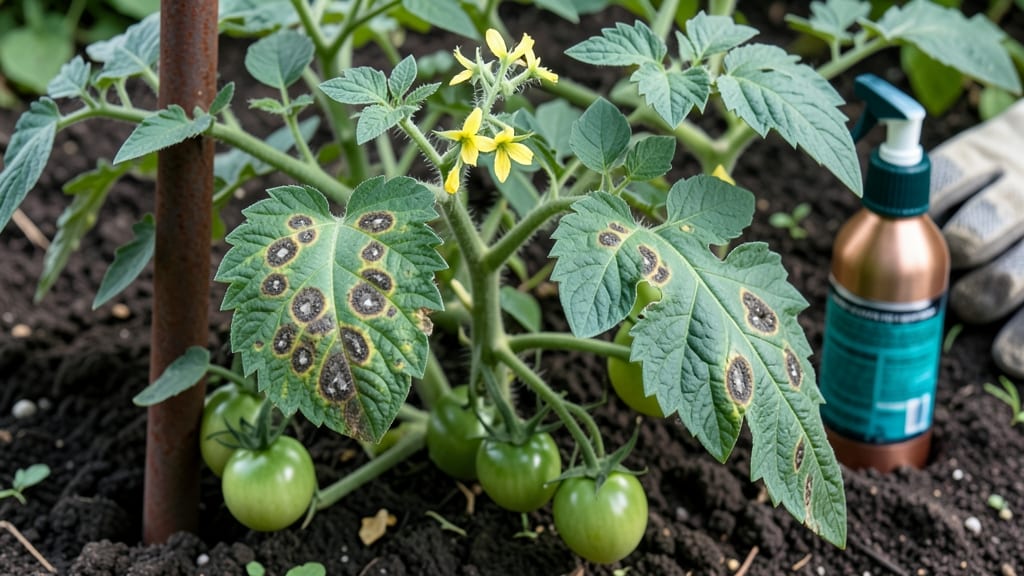
Those tiny black specks on your tomato leaves aren’t just dirt—they’re septoria leaf spot, a fungal foe that can turn your plants into a sad, spotted mess. 🌱 I’ve battled this stubborn disease in my own garden, and I’ll show you how to stop it in its tracks without copper sprays, using only organic methods that actually work.
The problem starts with Septoria lycopersici, a fungus that thrives in damp, crowded tomato plants. You’ll spot it first as small dark spots with light centers, then watch as leaves yellow and drop faster than your will to keep up.
The good news? This isn’t a death sentence—it’s a fixable problem, and the solution starts with removing infected leaves before they spread.
Within a week, you’ll see healthier green leaves pushing through if you prune aggressively, space plants for airflow, and treat with a baking soda spray (yes, the one in your cabinet).
The key is acting fast—this fungus doesn’t wait, and neither should you. Let’s get those tomatoes back to their full, disease-free glory.
This method works for both container and in-ground tomatoes, and it’s safe for your soil and pollinators. The secret? Consistency. Keep your plants dry, clean up debris, and repeat treatments every 5-7 days until new growth proves the spots are gone for good.
The Hidden Triggers Behind Fungal Spots
Septoria leaf spot isn’t just a random nuisance—it’s a fungal party crashers on your tomato plants, and understanding its why is the first step to stopping it. This stubborn pathogen thrives when conditions align like a perfect storm, turning your lush green leaves into a canvas of unsightly brown spots.
Let’s break down the key culprits behind this fungal takeover, so you can outsmart it before it spreads.
The fungus Septoria lycopersici loves moisture—like, way too much of it. When tomato leaves stay wet for prolonged periods (think 10+ hours), spores germinate and infect the plant. Here’s why it’s a problem:
- Stagnant water: Soggy soil or water pooling on leaves creates the ideal breeding ground for spores. The fungus doesn’t just sit on leaves—it swims through water films to find fresh tissue.
- Fungal spore splash: Rain or overhead irrigation splashes infected debris (like fallen leaves) onto healthy foliage, spreading the pathogen like wildfire.
- Root stress: Poor drainage forces roots to suffocate, weakening the plant’s defenses and making it easier for the fungus to invade.
Actionable fix: Water at the base in the morning (never overhead), and ensure containers or beds have drainage holes. If your soil is clay-heavy, amend it with compost or perlite to improve airflow.
Septoria leaf spot isn’t picky—it thrives in both cool and warm seasons, but it loves humidity. Here’s the science:
- Temperature sweet spot: The fungus grows best between 60–80°F (15–27°C). Cooler nights (50–60°F) slow plant growth but keep humidity high, giving the fungus a competitive edge.
- Humidity >70%: High moisture in the air delays leaf drying, keeping spores active. Think of it like a fungal sauna—perfect for spore germination.
- Morning dew: Dew droplets linger on leaves, creating micro-environments where spores can infect within hours.
Actionable fix: Space plants for airflow (3–4 feet apart), prune lower leaves to improve circulation, and use shade cloth in peak summer if humidity soars. Early morning watering helps leaves dry faster.
This fungus is a survivor. It can lurk in old plant debris, compost piles, or even on your pruners for years. Here’s how it sneaks back:
- Infected plant material: Leaving infected leaves or stems in the soil or compost heap acts like a fungal seed bank, releasing spores when conditions are right.
- Dirty tools: Pruners, stakes, or trellises contaminated with spores can directly inoculate new plants when you “help” them grow.
- Seedborne spores: Some Septoria strains hide in tomato seeds, waiting to pounce when seedlings emerge.
Actionable fix: Sterilize tools with 70% rubbing alcohol or a 10% bleach solution between uses. Remove and destroy (don’t compost) infected plant parts. Rotate crops yearly—never plant tomatoes or peppers in the same spot where Septoria was active.
A stressed tomato plant is like an open invitation for Septoria. When your plants are fighting other battles (nutrient deficiencies, pests, or disease), their immune system weakens, making them prime targets. Common triggers:
- Nitrogen deficiency: Yellowing leaves (chlorosis) signal poor nitrogen, which directly reduces the plant’s ability to fight pathogens.
- Pest damage: Aphids, spider mites, or hornworms create wounds that act as entry points for the fungus.
- Transplant shock: Shocked seedlings or newly transplanted tomatoes take weeks to recover, leaving them vulnerable during the critical window.
Actionable fix: Feed plants with a balanced fertilizer (10-10-10 or organic alternatives like fish emulsion). Monitor for pests and treat early with neem oil or insecticidal soap. Harden off seedlings gradually before transplanting.
Pro tip: 💡 Preventative sprays (like baking soda mix or copper-free organic fungicides) applied before symptoms appear can disrupt spore development. Think of it as fungal sunscreen for your leaves!
Fixing Fungal Foliage Fast
When those telltale brown, greasy spots with yellow halos appear on your tomato leaves, panic isn’t the answer—action is. Septoria leaf spot thrives in damp, crowded conditions, but with the right moves, you can reverse the damage and protect your plants.
Below, we break down the fixes by cause, so you can tackle the problem at its root (literally).
Septoria loves moisture, and soggy soil is an open invitation. If your tomatoes are drowning in water or sitting in compacted soil, it’s time to drain the drama.
🔥 Adjust Your Watering Game
- Water in the morning (6–8 AM) to give leaves time to dry before nightfall. Wet foliage overnight = fungal buffet.
- Use drip irrigation or soaker hoses instead of overhead sprinklers. Aim for the soil, not the leaves.
- Check soil moisture before watering—stick your finger 1–2 inches deep. If it’s damp, wait.
👨🍳 Improve Drainage Like a Pro
- Amend heavy clay soil with compost or perlite to help water drain faster.
- Raise beds or containers if your garden floods easily—elevate roots to avoid waterlogging.
- Mulch properly: Use straw or wood chips (but keep it 2–3 inches away from stems to prevent rot).
💡 Pro Tip:
If your pots don’t have drainage holes, drill them—yes, really. No holes = no escape for excess water, and that’s a fast track to Septoria city.
Tomatoes packed too closely or trapped in a steamy greenhouse? That’s a fungal party waiting to happen. Break up the crowd and let the air circulate.
✂️ Prune for Better Breathing
- Remove lower leaves (especially those touching the soil) to improve airflow and reduce humidity near the fruit.
- Space plants 18–24 inches apart—if they’re elbowing each other, thin them out.
- Stake or cage tomatoes to keep foliage upright and off the ground.
🌡️ Reduce Humidity Traps
- Avoid watering at night—cool, damp evenings are Septoria’s happy hour.
- Use a fan on low speed near plants to keep air moving (bonus: stronger stems!).
- Harvest promptly—ripe tomatoes hanging around release moisture, inviting fungal guests.
✨ Prevention Hack:
If you’re growing in a greenhouse or high-humidity area, crack a window or use a dehumidifier for 30 minutes daily. Dry air = unhappy fungi.
A tomato fighting off pests, nutrient deficiencies, or disease is already exhausted. Give it the support it needs to fight back.
📊 Feed the Right Way
- Side-dress with compost or balanced fertilizer (10-10-10) when flowers appear to encourage strong growth.
- Avoid high-nitrogen fertilizers—they promote leafy growth but weaken disease resistance.
- Add calcium (crushed eggshells or lime) to toughen cell walls—think of it as armor for your leaves.
💪 Strengthen with Natural Fungicides
Skip the copper (if you’re avoiding it) and try these organic powerhouses:
| Solution | How to Use |
|---|---|
| Neem oil | Mix 1 tbsp neem oil + 1 tsp mild soap + 1 quart water. Spray leaves early in the morning every 5–7 days. |
| Baking soda spray | 1 tsp baking soda + 1 quart water + a few drops of soap. Spray undersides of leaves (where spores hide). |
| Hydrogen peroxide (3%) | Mix 1 tbsp 3% H₂O₂ + 1 quart water. Spray on leaves—it kills spores on contact! |
| Garlic or chili spray | Blend 2 cloves garlic or 1 chili pepper with 1 quart water, strain, and spray. Fungi hate the sulfur compounds. |
🔥 Emergency Move:
If spots are spreading fast, remove severely infected leaves (but not the whole plant—it can recover!). Drop them in a sealed bag away from the compost pile to prevent reinfection.
Septoria spores lurk in old plant debris, soil, and even your tools. Play detective and eliminate hiding spots.
🔪 Sanitize Everything
- Sterilize pruners with rubbing alcohol or a 10% bleach solution between cuts.
- Rotate crops—don’t plant tomatoes (or nightshades like peppers/eggplants) in the same spot for 3 years.
- Solarize soil in spring: Cover bare soil with clear plastic for 4–6 weeks to bake out spores.
🗑️ Dispose of Infected Plants
If a plant is heavily infected (more than 30% of leaves), pull and bag it. Do not compost it—toss it in the trash or burn it (if legal in your area).
With these steps, you can turn the tide in 7 days—or even prevent Septoria from crashing your tomato party in the first place. Stay vigilant, keep the air flowing, and your plants will thank you with juicy, spot-free rewards! 🍅💚
Frequently asked questions
Can I still harvest tomatoes if my plants have septoria leaf spot?
Yes, you can! The fungus primarily affects leaves, not the fruit. Focus on harvesting ripe tomatoes first, then prune infected leaves to protect remaining foliage. Just avoid eating leaves with visible black spots—they’re not safe for consumption.
How do I tell if my tomato spots are septoria vs. early blight?
Look closely: septoria spots have tiny black dots in the center (fungal fruiting bodies) while early blight spots are concentric circles without centers. Early blight also targets lower leaves first, while septoria spreads more randomly up the plant.
Will my tomato plants recover if I treat septoria leaf spot?
With proper care, plants can bounce back. Remove infected leaves, improve airflow, and apply fungicides. New growth will emerge from healthy stems. Just be patient—it may take 2-3 weeks for full recovery, especially in hot weather.
Can I use the same baking soda spray for other fungal diseases?
Yes! The baking soda spray works against powdery mildew, black spot, and even rust on other plants. Just mix 1 tsp baking soda + 1 quart water + few drops of soap and spray undersides of leaves weekly for prevention.
How long should I wait before replanting tomatoes in the same spot?
Wait at least 3 years before replanting tomatoes in the same location. This breaks the fungal life cycle. In the meantime, plant non-host crops like beans, lettuce, or onions in that spot to improve soil health.