
Planting
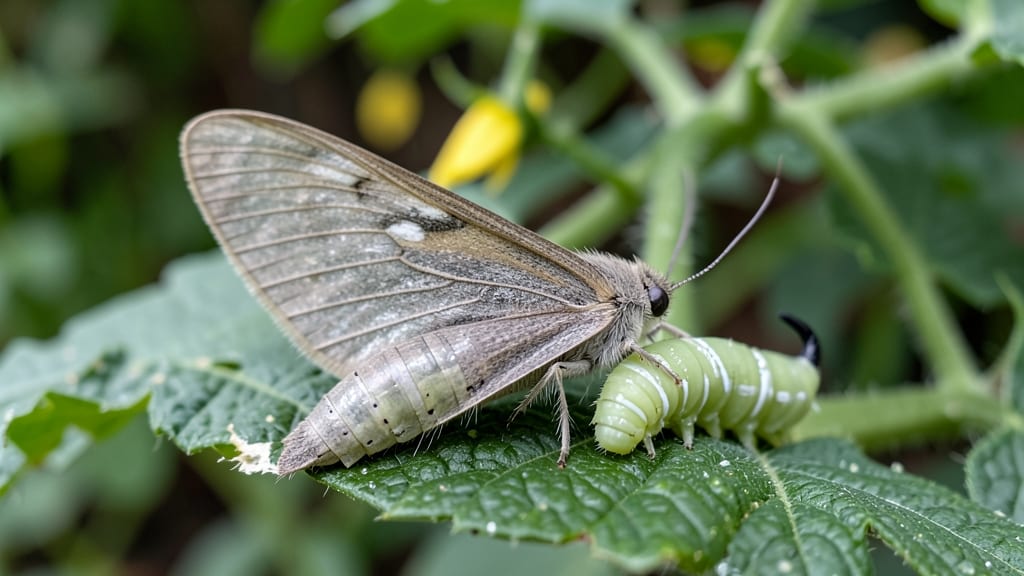
The tomato hornworm moth is the silent destroyer of your summer harvest—until you trap its larvae in days. 🌱 I’ve watched these striped bandits devour entire tomato plants overnight, leaving only stems behind. But there’s a simple, organic solution that works faster than pesticides ever could.
These moths lay eggs on your plants, and within a week, you’re fighting hungry caterpillars that can grow to 4 inches in just days. The key is catching them early—look for chewed leaves, black droppings, and those telltale green worms hiding under foliage.
Once you spot them, a DIY trap or handpicking can turn the tide in your garden’s favor.
With the right approach, you’ll protect your tomatoes without harming bees or butterflies. The traps are easy to set up, and the results show up in just a few days—no more disappearing fruit or skeletonized leaves. Your plants will bounce back stronger than ever.
Works for backyard gardens, raised beds, or even container plants. Here’s how to stop these pests before they ruin your harvest—no chemicals needed.
Root Causes of Tomato Leaf Devastation
The tomato hornworm moth (scientific name: Manduca sexta) doesn’t just appear out of nowhere—it thrives because of specific conditions that make your garden an all-you-can-eat buffet.
Understanding these triggers is the first step to stopping them before they strip your plants bare. Here’s why these nocturnal raiders target your tomatoes so aggressively.
The moths aren’t picky, but they do have a preference: ripe, flavorful, and stressed tomato plants. Why?
- Sugar magnet: Ripe tomatoes are packed with sugars and volatile organic compounds (VOCs) that attract moths. Think of it like a neon sign for hungry larvae.
- Weak defenses: Plants under stress (from drought, poor soil, or over-fertilization) produce fewer defensive chemicals like alkaloids and phenols, making them easier prey.
- Soft tissue = easy meals: Overripe or sun-scorched fruit has softer skins, which hornworms can pierce with ease. Their mandibles are like tiny Swiss Army knives.
Actionable fix: Harvest tomatoes as soon as they ripen (even if not perfectly red) and avoid overwatering or underwatering. A balanced fertilizer with potassium boosts plant resilience.
These moths aren’t just active—they’re nocturnal ninjas. Here’s why darkness works in their favor:
- Predator avoidance: Bats, birds, and spiders (their natural enemies) are less active at night, giving adult moths a window to lay eggs undetected.
- Humidity boost: Nighttime dew and higher humidity create the perfect moisture level for egg hatching. Eggs laid on damp leaves have a 90%+ survival rate.
- Heat escape: During the day, tomato plants radiate heat, which can deter some pests. But at night? The moths strike when the plants are cooler and more vulnerable.
Actionable fix: Install yellow or blacklight LED bulbs near your garden to repel moths (they’re attracted to UV light but avoid certain wavelengths). Prune lower leaves at dusk to remove egg-laying sites.
Moths don’t just fly randomly—they follow scent trails from miles away. If your garden is a tomato monoculture (or even a dense mix of nightshades like peppers and eggplants), you’ve created a hornworm superhighway.
- Pheromone confusion: Solanaceous plants (tomatoes, peppers, etc.) release similar volatile organic compounds (VOCs) that signal “food” to moths. More plants = stronger signal.
- Shelter for larvae: Dense foliage provides hiding spots for caterpillars, protecting them from birds and manual removal.
- Pollinator competition: While bees and butterflies help your plants, they also unwittingly spread moth eggs on their legs after visiting flowers.
Actionable fix: Interplant tomatoes with basil, marigolds, or dill—these repel moths with their strong scents. Space plants 18–24 inches apart to improve airflow and reduce hiding spots.
Tomato hornworm moths aren’t just hungry—they’re chemically guided. Their antennae detect specific compounds that scream, “Dine here!”
| Compound | Why It Attracts Moths | How to Disrupt It |
|---|---|---|
| Methyl salicylate | Released when tomato leaves are damaged (even slightly), it signals “stress = easy meal.” | Apply neem oil or kaolin clay to leaves to mask the scent. |
| Z-3-hexenal | A “fresh cut” smell that moths associate with tender, young leaves. | Prune regularly to reduce fresh-cut signals; avoid over-trimming. |
| Linalool | Found in ripe tomato fruit, it’s a major attractant for egg-laying females. | Harvest tomatoes early or use row covers at night. |
Actionable fix: Spray plants with garlic or chili pepper spray (1 tbsp each per quart of water) to overwhelm their scent receptors. Reapply every 5–7 days.
Once you disrupt these triggers, you’re not just reacting to an infestation—you’re starving the problem at its source. The key? Act before the moths do.
Quick Fixes for Wormy Tomato Plants
If your tomato plants are under siege by hungry larvae, don’t panic—there are fast, effective ways to reclaim your garden. The key is acting early and combining physical removal, natural predators, and organic barriers to stop the damage.
Below, we’ll break down the best solutions by cause, so you can pick the right fix for your situation.
(For visible larvae or fresh damage)
How to do it: 👨🍳 🔍 Scout at dawn or dusk—larvae are most active when it’s cooler. 🔪 Snip off infested leaves (especially near fruit) and drop them into soapy water (1 tbsp dish soap per gallon) to kill the worms instantly. 🐛 Check stems and undersides of leaves—hornworms love hiding there!
Pro tip: 💡 If you find eggs (tiny green ovals), scrub them off with a soft brush or spray with neem oil to prevent hatching.
(For long-term, chemical-free control)
Who’s on your side?
- Parasitic wasps (like Cotesia congregata) lay eggs inside hornworms—they’re nature’s pest control!
- Ladybugs, lacewings, and birds also feast on larvae.
How to attract them: 🌿 Plant companion flowers like dill, fennel, and marigolds—they lure beneficial insects. 🌱 Avoid broad-spectrum pesticides (they kill helpful bugs too!). ✨ Install a bird feeder or bath near your garden to welcome feathered helpers.
(For prevention and early detection)
1. Row Covers & Netting 🛡️ Lightweight floating row covers (like Agribon) block moths from laying eggs. ⏰ Install before flowers bloom (moths are drawn to tomato blossoms).
2. DIY Beer Traps (Yes, really!) 🍺 Bury a small cup filled with beer near plants—moths are attracted to the yeast and drown. 🔄 Refresh every 2–3 days for best results.
3. Yellow Sticky Traps 🟡 Hang yellow cards coated in Tanglefoot—moths get stuck trying to land.
(For severe infestations—use sparingly!)
Best options: 🌿 Neem oil spray (disrupts larvae growth; spray early morning or evening). 🍋 **Spinosad (from Bacillus thuringiensis)—targets caterpillars but is safe for bees. ⚠️ Avoid chemical pesticides—they harm pollinators and can make the problem worse.
How to apply: 💦 Spray undersides of leaves where eggs and larvae hide. 🌡️ Reapply every 5–7 days** or after rain.
(Stop the problem before it starts!)
🌱 Rotate crops—don’t plant tomatoes in the same spot yearly. 🌿 Interplant with basil, thyme, or onions—their strong scents repel moths. 🕰️ Harvest early—ripe tomatoes attract more moths; pick them before they overripen. 🌙 Use a flashlight at night—moths are active then; you can spot and remove them easily.
Final thought: The faster you act, the easier it is to save your tomatoes! Combine hand-picking with natural predators for the best results—and soon, your plants will be worm-free and thriving. 🍅✨
Frequently asked questions
What do tomato plant moth eggs look like?
Tomato hornworm eggs are tiny (1mm) and oval-shaped, usually laid in clusters on the undersides of leaves. They start off pale green and turn yellowish before hatching in 3-5 days. Look closely—you’ll spot them near leaf veins or stems where moths prefer to deposit them.
How fast can a tomato hornworm grow?
These caterpillars grow incredibly fast—up to 1 inch per day under ideal conditions! A newly hatched larva (about 1/4 inch) can reach 3-4 inches in just 10-14 days. That’s why early detection is critical to prevent total leaf destruction.
Are tomato plant moths harmful to humans?
No, they’re completely harmless to humans. While their larvae can devastate tomato plants, the adult moths and caterpillars pose no health risks. Some gardeners even consider them beneficial because they’re a food source for birds and parasitic wasps that help control other pests.
Can I use coffee grounds to repel tomato moths?
Yes! Sprinkling used coffee grounds around your tomato plants creates a natural barrier that repels moths. The strong scent masks the plant’s attractant chemicals. For best results, mix 1 cup of grounds with 1 cup of water, let it steep overnight, then spray on leaves and soil. Reapply after rain.
What’s the best time of day to check for tomato hornworms?
The best times are early morning (before they hide) or late evening (when they’re less active). Check the undersides of leaves and near stems—these are their favorite hiding spots. A flashlight at night can help you spot them when they’re most vulnerable.