
Plants
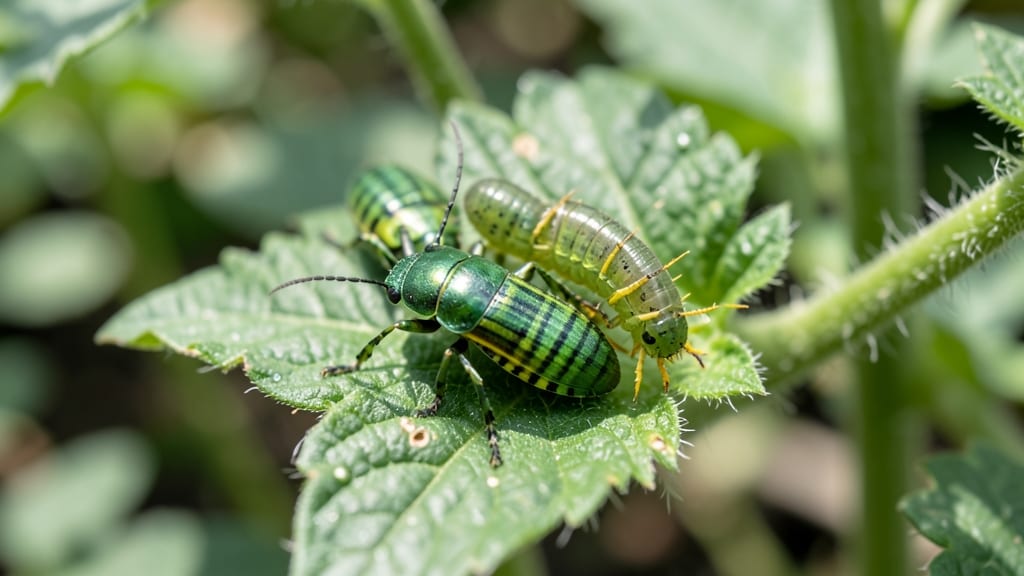
Those tiny green bugs swarming your tomato plants? 🌱 They’re likely aphids, and they’ll strip your plants bare if you don’t act fast—but the good news is you can banish them without harsh chemicals.
I’ve battled these pests for years, and my go-to organic methods work in as little as 24 hours with consistent effort. The first sign is curled leaves or sticky residue (aphid honeydew) on lower foliage. These bugs multiply fast, so check plants weekly during warm months.
A strong spray of water or neem oil disrupts their lifecycle without harming your tomatoes or beneficial insects. By tomorrow, you’ll see fewer bugs and healthier growth. The key is persistence—repeat treatments every 3-5 days until the infestation clears.
Your plants will bounce back stronger, and you’ll avoid the heartbreak of wilted tomatoes. Works for green peppers, cucumbers, and other garden favorites too. Let’s get those plants back on track!
Root Causes of Tiny Green Invaders
When you spot tiny green bugs crawling or clustered on your tomato plants, they’re usually one of three common culprits—each with distinct triggers. Understanding why they appear helps you target solutions effectively.
Below, we break down the science behind their arrival, from environmental factors to plant weaknesses, so you can address the real cause, not just the symptoms.
Green bugs like aphids, whiteflies, or thrips thrive in damp, nutrient-rich conditions. While tomatoes need consistent moisture, overwatering creates the perfect breeding ground. Here’s why:
- Fungal growth: Excess water promotes soilborne fungi (e.g., Pythium), which stress plants and attract pests. Weakened roots emit volatile organic compounds (VOCs) that signal pests: "Hey, easy meal here!"
- Root rot risk: Compacted or clay-heavy soil traps moisture, suffocating roots. Stressed plants produce honeydew (a sugary byproduct of sap-sucking bugs), which further lures ants and fungal infections.
- pH imbalance: Waterlogged soil lowers pH, making nitrogen more available—aphids love high-nitrogen environments because it boosts their reproduction rate by up to 50%.
Actionable fix: Test your soil’s drainage (stick a trowel in—if water pools after 30 mins, amend with compost or perlite). Space plants 18–24 inches apart for airflow.
Tomatoes with yellowing leaves, stunted growth, or purple stems are often deficient in key nutrients, making them prime targets for green pests. Here’s the science:
| Nutrient Deficiency | How It Attracts Bugs | Signs in Plants |
|---|---|---|
| Potassium (K) | Low potassium weakens cell walls, making it easier for aphids to pierce and feed on sap. Studies show potassium-deficient plants see 3x more aphid infestations. | Brown leaf edges, weak stems |
| Calcium (Ca) | Calcium deficiency causes blossom-end rot, which creates open wounds. Green peach aphids (Myzus persicae) exploit these entry points to lay eggs. | Dark, sunken spots on fruit |
| Nitrogen (N) Excess | Too much nitrogen = soft, tender leaves that aphids adore. It also triggers honeydew production, attracting sooty mold. | Dark green, rapid but weak growth |
Actionable fix: Use a balanced fertilizer (10-10-10) or compost tea. Avoid synthetic nitrogen spikes—opt for worm castings or banana peels (high in potassium).
Anything that damages tomato foliage—whether from weather, pests, or poor pruning—sends distress signals to nearby insects. Here’s the breakdown:
- Mechanical stress: Wind, hail, or even rough handling breaks trichomes (tiny hair-like structures on leaves). These hairs normally repel pests, but once damaged, bugs like thrips can feast freely.
- Pruning wounds: Cutting stems too close to the main trunk exposes raw xylem tissue, which aphids detect via chemical cues (e.g., increased jasmonic acid in damaged plants).
- Herbicide drift or neighbor plants: If nearby weeds (like dandelions) are treated with pesticides, resistant aphids may migrate to your tomatoes. Weeds also harbor alternate hosts for pests.
Actionable fix: Prune with sterilized shears and seal cuts with copper-based fungicide. Remove weeds within a 5-foot radius of tomato plants. Use row covers during windy periods to protect foliage.
Pro tip: 💡 Monitor for early signs like sticky leaves (honeydew) or curling foliage—these are red flags before bugs become visible. Act fast, and you’ll save your harvest!
Quick Fixes for Green Garden Invaders
Spotting green bugs on your tomato plants can feel like a gardening nightmare, but don’t panic! With the right approach, you can tackle these pests effectively while keeping your plants—and the environment—safe.
Below are targeted solutions for the most common culprits, from aphids to flea beetles, along with prevention tips to keep your tomato harvest thriving.
For small infestations, a hands-on approach works wonders. Early intervention is key—don’t wait until the bugs multiply!
- 🔥 Spot and Squish: Check leaves and stems daily, especially under foliage. Use gloves or a damp cloth to gently remove bugs. Drop them into soapy water to prevent re-infestation.
- 🍳 DIY Barriers: Protect young seedlings with row covers (fine mesh fabric) to block adult beetles and aphids. Secure edges with soil or stakes to avoid gaps.
- 👨🍳 Prune & Toss: Trim heavily infested leaves and dispose of them in a sealed trash bag. Avoid composting pest-ridden plant matter.
💡 Pro Tip: Work in the early morning when bugs are sluggish and easier to spot. A magnifying glass helps with tiny pests like thrips!
When bugs are too numerous for handpicking, turn to nature’s pest repellents. These solutions are safe for plants and pets but require consistent application.
🔪 Homemade Neem Oil Spray
Neem oil disrupts pests’ life cycles and deters egg-laying. Best used in the evening to avoid harming beneficial insects.
- Mix 1 teaspoon neem oil + 1 teaspoon mild soap (like castile) in 1 quart of water.
- Add 1 teaspoon vegetable oil as an emulsifier.
- Shake well and spray undersides of leaves thoroughly. Reapply every 5–7 days or after rain.
🥘 Soap Spray for Aphids & Whiteflies
A simple, non-toxic spray that suffocates soft-bodied bugs. Test on a small leaf first to check for sensitivity.
- Dissolve 1 tablespoon mild liquid soap (e.g., Dr. Bronner’s) in 1 quart of water.
- Spray directly on bugs until leaves glisten with solution.
- Reapply every 2–3 days until pests vanish.
✨ Warning: Avoid spraying in direct sunlight or on flowering plants (soapy residue can harm pollinators).
Break the pest cycle before it starts with these proactive measures.
| Tactic | How to Do It | Best Time to Act |
|---|---|---|
| 🌡️ Companion Planting | Interplant tomatoes with basil, marigolds, or garlic to repel bugs naturally. | At transplanting or seeding. |
| 🎯 Crop Rotation | Avoid planting tomatoes in the same spot for 3+ years to disrupt pest life cycles. | Annual garden planning. |
| 💪 Healthy Soil | Amend soil with compost and mycorrhizal fungi to boost plant resilience. | Before planting season. |
| 🌧️ Water Wisely | Water at the base (not overhead) to reduce humidity, which attracts fungus gnats and aphids. | Daily maintenance. |
💡 Pro Tip: Introduce beneficial insects like ladybugs or lacewings (available at garden centers). They feast on pests but won’t harm your tomatoes!
If bugs persist after 2–3 weeks of treatment, consider commercial organic pesticides as a last resort. Look for pyrethrin-based sprays (derived from chrysanthemums) or Bt (Bacillus thuringiensis), which targets caterpillars and beetles without harming other wildlife.
🔥 Emergency Move: For severe flea beetle damage, replace heavily chewed seedlings with resistant varieties like ‘Mountain Merit’ or ‘Cherokee Purple’.
Frequently asked questions
What are those tiny green bugs on my tomato plants?
They’re most likely aphids, thrips, or flea beetles—all common tomato pests. Aphids cluster on new growth, thrips leave silvery streaks on leaves, and flea beetles chew tiny holes. Check undersides of leaves first where they hide. Use a magnifying glass for better visibility.
Will these green bugs kill my tomato plants?
Not immediately, but severe infestations can weaken plants by sucking sap, causing yellowing leaves, stunted growth, or honeydew buildup that attracts ants and fungal diseases. Act fast—remove visible bugs daily and apply neem oil to break their lifecycle before damage spreads.
How often should I spray neem oil for best results?
Apply neem oil every 5-7 days at dusk to avoid harming bees. For heavy infestations, combine with soap spray (every 2-3 days). Always spray undersides of leaves where bugs hide. Stop spraying 24 hours before harvest to ensure safety.
Can I use vinegar spray to kill these bugs?
Plain vinegar isn’t effective—it can even harm plants. However, a 1:1 vinegar-water mix with 1 teaspoon dish soap (applied directly to bugs) works as a contact killer. Test on a small leaf first, and avoid spraying flowers or fruit. For systemic control, neem oil is far more reliable.
Why do I keep getting bugs even after treating them?
Pests often return due to unaddressed root causes: overwatering, poor airflow, or nutrient imbalances. Check your soil drainage, space plants 18-24 inches apart, and use companion plants like basil to deter repeat infestations. Also ensure you’re treating all plant surfaces, not just visible bugs.