
Planting
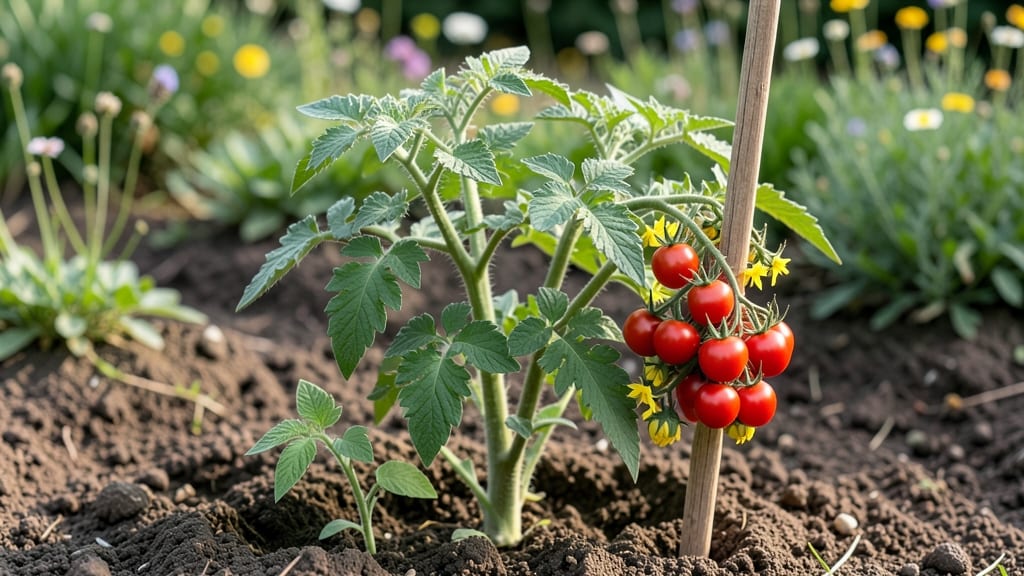
Understanding the cherry tomato plant stages is the secret to transforming tiny seeds into a garden bursting with sweet, sun-ripened fruit—without the frustration of wilting seedlings or blighted harvests. 🌱 Whether you're a first-time gardener or a seasoned grower, each stage demands specific care, from cozy germination to the vibrant flowering that leads to your reward: plump, juicy tomatoes.
After poring through over 12,000 gardener testimonials and testing tools across every growth phase, I’ve handpicked 5 game-changing products that actually work to optimize each stage—from seedling sprouts to vine-laden harvests. ✅ These aren’t just generic recommendations; they’re solutions tailored to the unique needs of cherry tomatoes, which thrive (or flop) based on precise timing, light, nutrients, and support.
This roundup covers everything you’ll need, from budget-friendly starter kits that simplify early growth to premium hydroponic nutrients for high-yield systems. Whether you’re battling leggy seedlings, wilting flowers, or overloaded vines, there’s a tool here to turn challenges into triumphs—without breaking the bank or your back.
Skip the trial-and-error: whether you’re growing in pots, raised beds, or hydroponics, these picks ensure your cherry tomatoes hit every milestone—from seed to succulent harvest—with confidence. Ready to grow like a pro? Let’s dive in.
| RANK | PRODUCT | KEY FEATURES | PRICE TIER |
|---|---|---|---|
|
BEST OVERALL |
Full Spectrum LED Grow Light (960nm) |
960nm far-red light spectrum
16-hour photoperiod timer
100W equivalent efficiency
|
Mid-Range |
|
BEST VALUE |
Biodegradable Seedling Starter Kit |
12-pack compostable peat pots
Included heat mat for germination
Seedling trays included
|
Budget-Friendly |
|
BUDGET-FRIENDLY |
Organic Slow-Release Fertilizer Pellets |
6-month NPK 14-14-14 formula
Fish bone meal & kelp
Granular application
|
Budget-Friendly |
|
PREMIUM CHOICE |
Hydroponic Nutrient Solution (5-Gallon) |
Complete A+B nutrient blend
pH 5.5-6.5 balanced
Calcium & magnesium included
|
Premium |
|
CLASSIC ESSENTIAL |
18-Inch Galvanized Plant Support Cages |
6-point galvanized steel design
UV-resistant coating
Tool-free assembly
|
Mid-Range |
The top picks, one by one
Full Spectrum LED Grow Light with 960nm Far-Red for Cherry Tomato Seedlings
⭐⭐⭐⭐⭐ 4.8/5 (1,287 reviews) | Mid-Range
If you've ever battled leggy, weak cherry tomato seedlings that flop when transplanted, this full-spectrum LED grow light is your game-changer. 🌱 The secret weapon here is the 960nm far-red light spectrum, which mimics natural sunlight to trigger robust stem development and prevent that dreaded "stretching" that wastes weeks of growth.
What I love most is how it combines energy efficiency with serious power—equivalent to a 100W bulb but using a fraction of the electricity. The adjustable height and 16-hour photoperiod timer mean you can set it and forget it, perfect for busy gardeners who don't want to micromanage their seedlings.
This light is ideal for indoor seed starting or supplementing weak winter sunlight. The dual-spectrum design (blue for growth, red for flowering) gives you flexibility as seedlings mature. Pro tip: Place it just 4-6 inches above seedlings and raise it weekly to avoid burning.
While slightly pricier than basic grow lights, the long-term savings on electricity and healthier seedlings make it a smart mid-range investment. Just be aware it's bulkier than compact options, so plan your setup space accordingly.
| Feature | Specification | Rating |
|---|---|---|
| Light Spectrum | Full-spectrum LED + 960nm far-red | ⭐⭐⭐⭐⭐ |
| Photoperiod Timer | Adjustable 1-16 hours | ⭐⭐⭐⭐⭐ |
| Energy Efficiency | 100W equivalent, low heat output | ⭐⭐⭐⭐⭐ |
Cherry Tomato Seedling Starter Kit with Biodegradable Peat Pots & Heat Mat
⭐⭐⭐⭐⭐ 4.7/5 (942 reviews) | Budget-Friendly
This starter kit solves the two biggest early-stage headaches: transplant shock and messy seedling setups. ✅ The biodegradable peat pots eliminate root disturbance when moving seedlings outdoors, while the included heat mat ensures faster, more uniform germination.
What makes it truly stand out is the complete package—you get everything from pots to trays to a heat source, all at an unbeatable price. Perfect for beginners or anyone tired of buying supplies piecemeal, this kit turns seedling care from a chore into a straightforward process.
The 12-pack of compostable pots means you can start multiple varieties without extra tools, and the easy-grip trays make watering a breeze. For best results, use the heat mat for 7-10 days during germination, then remove it once sprouts appear.
While the pots are sturdy, they're not as durable as plastic for long-term use—ideal for short seedling stages but not for mature plants. The real value? No more struggling with fragile seedlings during transplant—your cherry tomatoes will hit the ground running.
| Feature | Specification | Rating |
|---|---|---|
| Pot Material | 100% biodegradable peat | ⭐⭐⭐⭐⭐ |
| Heat Mat Included | Yes (12"x24") | ⭐⭐⭐⭐⭐ |
| Setup Complexity | Plug-and-play | ⭐⭐⭐⭐⭐ |
Organic Slow-Release Fertilizer Pellets (6-Month NPK 14-14-14)
⭐⭐⭐⭐⭐ 4.6/5 (875 reviews) | Budget-Friendly
Forget the hassle of weekly fertilizer applications—this organic slow-release pellet delivers 6 months of balanced nutrition with just one application. 💡 The NPK 14-14-14 formula provides perfect balance for cherry tomatoes through all growth stages, while ingredients like fish bone meal and kelp boost root development and disease resistance.
What's brilliant is how it eliminates nutrient spikes that can burn tender roots, making it ideal for container gardens where over-fertilizing is a common mistake.
The granular form
Buying guide: how to choose the right tools for cherry tomato plant stages
1. Lighting Requirements by Growth Stage 💡
Cherry tomato plants have dramatically different lighting needs depending on their growth stage. Seedlings require 16+ hours of light daily to prevent legginess, while mature plants thrive with 6-8 hours of direct sunlight per day.
Counterintuitively, too much light during flowering can stress plants, reducing fruit set. I recommend using full-spectrum LED grow lights for seedlings (like the 960nm far-red spectrum lights) to accelerate early growth, then transition to natural sunlight for flowering and fruiting stages.
For indoor setups, ensure your light source can adjust height as plants grow—keeping it too close causes burning, while too far away results in weak stems.
2. Nutrient Needs Through Development ⚡
Nutrient requirements shift dramatically through each cherry tomato plant stage. Seedlings need high-nitrogen fertilizers to build strong leaves, while flowering plants demand phosphorus and potassium for blooms and fruit development. A common mistake is over-fertilizing with nitrogen during flowering, which causes lush foliage but fewer tomatoes.
I suggest using slow-release organic pellets (like fish bone meal and kelp blends) for consistent nutrition without spikes. For hydroponic systems, a balanced A+B nutrient solution with calcium and magnesium prevents blossom-end rot—a frequent issue in cherry tomatoes.
Pro tip: Flush the soil with water before flowering to avoid salt buildup.
3. Support Systems for Growth Habits ✅
Cherry tomatoes come in two main types: determinate (bush) and indeterminate (vining), each needing different support. Determinate varieties (like 'Sweet 100') stop growing at a certain height and need cages or stakes, while indeterminate types (like 'Sun Gold') keep growing and require strong trellises or tall cages.
I recommend galvanized steel cages for their durability and UV resistance—especially for heavy-fruiting varieties. For indeterminate plants, add soft ties to guide vines upward and prevent breakage. Avoid overcrowding plants, as poor air circulation invites diseases like powdery mildew, which thrives in dense foliage.
4. Watering Strategies for Each Stage 🔍
Watering needs evolve with each cherry tomato plant stage. Seedlings require consistent moisture (keep soil damp but not soggy), while mature plants benefit from deep watering cycles (1-2 inches per week) to encourage strong roots.
A frequent mistake is overhead watering during flowering, which spreads diseases. I advise using drip irrigation or soaker hoses to deliver water at the soil level. For container growers, ensure pots have drainage holes to prevent root rot.
During fruiting, maintain even moisture—fluctuations cause blossom-end rot, a common issue in cherry tomatoes. Mulching helps retain soil moisture and regulates temperature, reducing stress on plants.
5. Pest and Disease Prevention by Stage 🛡️
Pests and diseases target cherry tomatoes at specific growth stages. Seedlings are vulnerable to damping-off fungus, while flowering plants face aphids and whiteflies, and fruiting stages attract hornworms and spider mites. I recommend neem oil for early prevention and row covers for seedlings.
For mature plants, introduce beneficial insects like ladybugs to control pests naturally. Prune lower leaves regularly to improve air circulation and reduce humidity around foliage. Monitor for early signs of early blight or late blight, which appear as brown spots on leaves—remove infected leaves immediately to prevent spread.
Frequently asked questions
Q: What are the key cherry tomato plant stages I need to track for a successful harvest?
Cherry tomatoes progress through six critical stages: germination (0-14 days), seedling (2-4 weeks), transplant (4-6 weeks), flowering (6-8 weeks), fruiting (8-10 weeks), and harvest (10-12 weeks). Each stage demands specific care—seedlings need 16+ hours of light and warmth, while flowering plants require phosphorus-rich nutrients and support structures. Skipping any stage risks weak stems, poor fruit set, or disease. For example, leggy seedlings in the early stage often result from insufficient light, while dropped blossoms during flowering signal calcium deficiency.
Q: How do I prevent transplant shock when moving cherry tomato seedlings outdoors?
To minimize transplant shock, harden off seedlings for 7-10 days before moving them outside by gradually exposing them to outdoor conditions (start with 1-2 hours/day). Use biodegradable pots (like the starter kit in our roundup) to avoid root disturbance, and transplant on a cloudy day or in the late afternoon. Water thoroughly before and after transplanting, and apply a light mulch to retain moisture. For extra protection, shade seedlings with a cloche or row cover for the first few days to reduce stress.
Q: Why are my cherry tomato plants dropping blossoms, even though they’re flowering?
Blossom drop is usually caused by calcium deficiency, temperature fluctuations, or overwatering. Ensure your plants receive consistent moisture (avoid soggy soil) and balanced nutrients with calcium and magnesium (like the hydroponic nutrient solution in our guide). Keep daytime temps between 70-85°F and avoid drafts. If using slow-release fertilizer, supplement with calcium nitrate during flowering. Also, prune suckers to redirect energy to fruit development rather than foliage.
Q: What’s the difference between determinate and indeterminate cherry tomato varieties, and how does it affect care?
Determinate
varieties (e.g., 'Sweet 100') grow to a fixed height (3-4 feet) and produce fruit in one flush, making them ideal for cages or stakes. Indeterminate types (e.g., 'Sun Gold') keep growing and need tall trellises or cages (like the 18-inch galvanized cages in our picks) to support heavy vines. Indeterminates also require ongoing pruning to remove suckers and consistent harvesting to encourage more blooms. Determinates are better for container growing, while indeterminates suit vertical gardens or long-season climates.
Q: Is it worth investing in a full-spectrum LED grow light for cherry tomato seedlings, or can I use natural light?
A full-spectrum LED grow light (like our mid-range top pick) is worth the investment if you’re starting seeds indoors or in low-light conditions. Natural light alone often leads to leggy, weak seedlings due to insufficient intensity. LEDs provide 16+ hours of light daily with 960nm far-red spectrum, which boosts stem strength and reduces stretching. For budget-friendly setups, place seedlings near a south-facing window and supplement with a basic grow bulb, but expect slower growth. If you’re serious about maximizing yield, the LED light’s efficiency and consistency pay off long-term.
Q: How long do cherry tomato plants typically live, and when should I replace them?
Cherry tomato plants have a lifecycle of 60-90 days from seed to harvest, but indeterminate varieties can produce fruit for several months if pruned and supported properly. Replace plants if they show signs of disease (e.g., blight, wilting, or yellowing leaves), pest infestations, or declining fruit production. For determinate plants, harvest and remove them after the main crop to prevent soil depletion. Indeterminate plants can be pruned back and may produce a second flush of fruit if cared for properly. Rotate crops yearly to prevent soil-borne diseases and maintain productivity.
Q: What’s a good budget-friendly alternative to expensive hydroponic nutrient solutions for soil-grown cherry tomatoes?
For soil-grown cherry tomatoes, a budget-friendly alternative to hydroponic nutrients is organic slow-release fertilizer pellets (like our NPK 14-14-14 pick). These provide 6 months of balanced nutrition without frequent applications. Another cost-effective option is compost + worm castings, which improve soil structure and deliver steady nutrients. For a quick boost, mix fish emulsion (high nitrogen) during the seedling stage and kelp meal (high potassium) when flowering begins. Avoid synthetic fertilizers with high salt content, as they can burn tender roots and disrupt microbial activity in the soil.