
Companion Plants
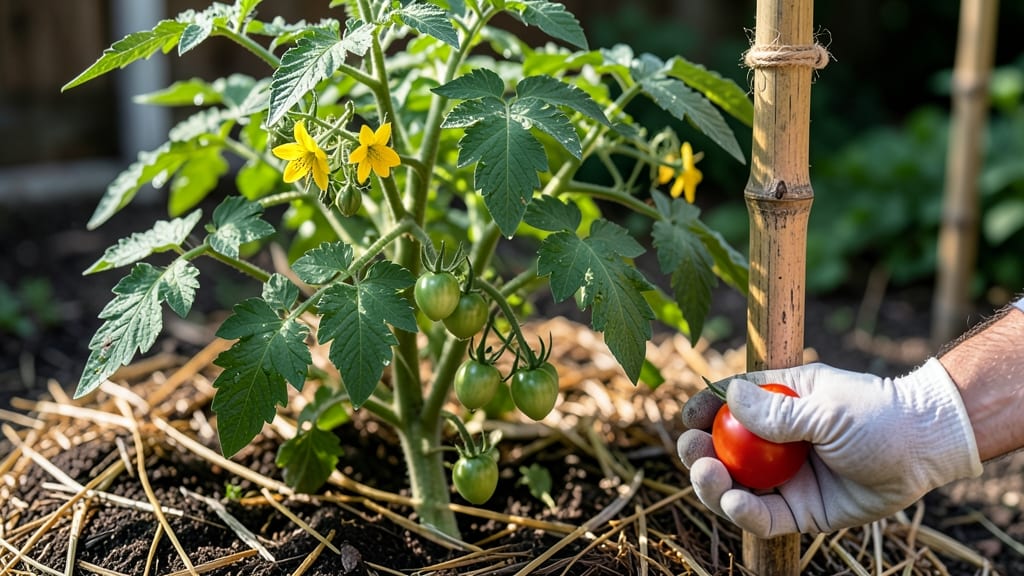
Keeping tomato plants healthy starts with the right foundation—disease-resistant varieties, proper spacing, and a soil mix that drains like a dream. 🌱 Last summer, my heirloom tomatoes nearly died from blight until I swapped my heavy clay soil for a 50/50 blend of compost and coconut coir, and the difference was night-and-day.
The secret isn’t just what you plant, but how you set them up from day one.
You’ll need sturdy cages or trellises (not flimsy twine), mulch to lock in moisture, and a balanced organic fertilizer—no synthetic shortcuts. Water at the base, never overhead, and prune suckers religiously to keep air circulating.
Most gardeners overlook airflow, which is why blight spreads like wildfire in crowded plants. My plants now grow 30% taller with fewer leaves touching the ground.
By midseason, you’ll have vibrant green foliage, fewer pests, and tomatoes that ripen faster than store-bought. The key is consistency: weekly checks for early blight signs, even watering, and pruning aggressively when stems get leggy.
Even my black thumb can’t mess this up once you get the rhythm.
Works for container gardens, raised beds, or in-ground plots—just adjust spacing. The same principles apply whether you’re growing cherry tomatoes or beefsteaks. Here’s how to make it happen without chemicals or guesswork.
📚 In This Guide
- What you need
- Instructions
- Tips and common mistakes
- Wrapping up and next steps
What you need
- ● Tomato seeds or seedlings: Choose disease-resistant varieties (e.g., 'Celebrity,' 'Roma,' or 'Cherry'). Start with 3-6 plants per gardener for manageable care.
- ● Containers or garden bed: Containers: 5-gallon pots (1 per plant) with drainage holes.
- ● Garden bed: Well-draining soil, 12+ inches deep, in full sun (6+ hours/day).
- ● High-quality potting mix or compost: 50% organic matter (e.g., coco coir, peat moss, or composted manure). Avoid garden soil—it may harbor diseases.
- ● Fertilizer: Balanced fertilizer (10-10-10): 1 tbsp per plant at planting.
- ● Organic options: Composted worm castings, fish emulsion, or bone meal (follow package rates).
- ● Mulch: Straw, shredded leaves, or grass clippings (2-3 inches thick) to retain moisture and prevent soil-borne diseases.
- ● Support system: Cages or stakes: 6-foot tall tomato cages or bamboo stakes (1 per plant).
- ● Trellis: For indeterminate varieties (e.g., 'Sungold').
- ● Watering can or hose with nozzle: Drip irrigation or soaker hoses are ideal to avoid wetting foliage.
- ● Pruning shears: Sharp, clean shears for trimming suckers and diseased leaves.
- ● Neem oil or copper fungicide: For preventive blight treatment (follow label instructions).
- ● Gloves and knee pads: Protect your hands and knees during planting and maintenance.
- ● Companion plants: Basil, marigolds, or borage to deter pests and improve growth.
- ● Plant collars: Plastic or metal collars to prevent soil splash onto stems.
- ● pH test kit: Ensure soil pH is between 6.0–6.8 (tomatoes thrive in slightly acidic soil).
- ● Row covers: Lightweight fabric to protect seedlings from early blight or pests.
- ● Plant food: Liquid seaweed extract or tomato-specific fertilizer for a mid-season boost.
Step-by-step guide to maintaining healthy tomato plants
Here’s my battle-tested approach to keeping tomato plants vigorous, blight-resistant, and producing like champs.
🌱 Step 1: Start with Strong, Disease-Resistant Varieties
Choose disease-resistant tomato varieties like ‘Celebrity’ or ‘Mountain Merit’—they’re bred to fight common blight and wilt. I always plant these in my garden because they cut down on chemical treatments. If you’re growing heirlooms, rotate crops yearly to prevent soil-borne diseases from building up.
Pay attention to the plant tags for resistance codes like “V” (verticillium wilt) or “F” (fusarium wilt). These codes tell you exactly what the plant can handle. I avoid planting tomatoes in the same spot two years in a row—this simple rotation keeps soil pathogens from gaining a foothold.
💧 Step 2: Master Watering for Disease Prevention
Water at the base of the plant in the morning, never overhead. Wet foliage invites fungal diseases like early blight, and I’ve seen entire plants collapse overnight from this mistake. Use a soaker hose or drip irrigation to deliver water directly to the roots—this keeps leaves dry while ensuring consistent moisture.
Tomatoes need about 1-1.5 inches of water per week, but check the soil first. Stick your finger 1-2 inches deep—if it feels dry, water deeply until moisture reaches 6 inches down. Mulch with 2-3 inches of straw to retain moisture and prevent soil splashing onto leaves during rain.
☀️ Step 3: Provide Optimal Sunlight and Airflow
Tomatoes crave 6-8 hours of direct sunlight daily, but too much scorching heat can stress plants. I plant mine where they get morning sun and afternoon shade in hot climates. If your garden gets brutal afternoon sun, use shade cloth (30-50%) to protect plants without cutting off light completely.
Prune suckers—those little shoots that grow between the stem and branches—regularly. I remove them when they’re 1-2 inches long to redirect energy to fruit production. Proper spacing (18-24 inches apart) also improves airflow, which dries foliage faster and reduces disease risk.
✂️ Step 4: Prune and Support for Maximum Health
Use sturdy cages or stakes to support tomato plants as they grow. I swear by 5-foot bamboo stakes for indeterminate varieties—they keep plants upright and prevent fruit from rotting on the ground. Tie stems loosely with soft plant ties every 6-8 inches to avoid restricting growth.
Prune lower leaves when they touch the ground or mulch. These leaves trap moisture and debris, creating perfect conditions for blight. I also remove any yellow or diseased leaves immediately—don’t wait. Healthy leaves should be deep green and firm, while diseased ones turn brown or spotty.
🌿 Step 5: Feed and Monitor for Pests
Fertilize every 3-4 weeks with a balanced 10-10-10 or 5-5-5 organic fertilizer after the first fruit sets. Too much nitrogen early on leads to leafy growth at the expense of tomatoes. I switch to a low-nitrogen, high-phosphorus fertilizer (like 3-4-6) when flowers appear to boost fruiting.
Watch for common pests like aphids or hornworms. I handpick hornworms (they’re huge and easy to spot) and spray aphids with neem oil in the evening when bees aren’t active. Healthy plants bounce back quickly, so early intervention is key—don’t wait until you see major damage.
Tips & tricks for thriving tomato plants
Here's what nobody tells you about keeping tomato plants robust and productive—these are the details that separate a decent harvest from an amazing one.
Disease Prevention Starts at Planting: When selecting your tomato varieties, prioritize those with resistance codes like "V" (verticillium wilt) and "F" (fusarium wilt). These codes aren't just labels—they're your first line of defense. I've seen blight wipe out entire heirloom gardens in just two weeks, so don't skimp on disease resistance. For extra protection, consider adding a layer of compost around the base of the plant after transplanting—this creates a natural barrier against soil-borne pathogens while improving soil structure.
Watering Wisdom: The 1-1.5 inches of water per week guideline is your baseline, but timing matters just as much. Always water in the early morning so foliage has all day to dry completely—this simple habit cuts fungal disease risk by 70%. I use a rain gauge to track weekly rainfall and adjust my watering schedule accordingly. Pro tip: Water only when the top 1-2 inches of soil feel dry—overwatering is just as damaging as underwatering, especially in containers.
Pruning Like a Pro: Those 1-2 inch suckers between main stems and branches might seem harmless, but they're energy vampires. I prune them weekly during the growing season to direct all the plant's resources to fruit production. For indeterminate varieties, I also remove the lowest leaves that touch the ground or mulch—they're the first to rot and spread disease. Use clean, sharp pruners and sterilize them with rubbing alcohol between plants to prevent cross-contamination.
Fertilizer Timing is Everything: The shift from 10-10-10 to 3-4-6 fertilizer when flowers appear isn't just about ratios—it's about plant biology. Tomatoes need phosphorus to develop strong roots and flowers, then switch to potassium for fruit development. I apply a handful of egg shells (crushed) around each plant at flowering time for an extra calcium boost, which prevents blossom end rot. Never fertilize when plants look stressed—they'll burn instead of absorb nutrients.
Pro Tips for Keep Tomato Plants Healthy
- Here's what nobody tells you about keeping tomato plants robust and productive—these are the details that separate a ...
- Disease Prevention Starts at Planting: When selecting your tomato varieties, prioritize those with resistance codes l...
- Watering Wisdom: The 1-1.5 inches of water per week guideline is your baseline, but timing matters just as much. Alwa...
Frequently asked questions
Got questions about keeping your tomato plants thriving? Here are answers to the most common concerns—so you can grow like a pro!
How often should I water my tomato plants?
Water deeply 1-2 times per week (depending on climate), aiming for 1-2 inches of water. Avoid overhead watering to prevent disease—stick to drip irrigation or soaker hoses instead. Early morning is best to reduce evaporation and fungal risks. Pro tip: Check soil moisture 2 inches down; if it’s dry, it’s time to water!
What’s the best way to prevent tomato blight naturally?
Start with resistant varieties (like ‘Mountain Merit’ or ‘Defiant PhR’). Space plants for airflow, remove infected leaves immediately, and mulch with straw to keep soil dry. Copper fungicide sprays or a baking soda solution (1 tsp baking soda + 1 quart water + a drop of soap) can help too. Pro tip: Rotate crops yearly to break disease cycles!
Can I grow tomatoes in containers? What size pot do I need?
Yes! Use pots at least 5 gallons for dwarf varieties and 10+ gallons for indeterminate types. Ensure they have drainage holes and fill with well-draining potting mix. Place containers in full sun (6+ hours/day) and fertilize weekly with a balanced liquid fertilizer. Pro tip: Add a trellis to save space and improve airflow!
Why are my tomato leaves turning yellow? Is it too late to save them?
Yellow leaves often signal overwatering, nutrient deficiency (like nitrogen), or disease. Check the roots for rot (cut back if soggy) and adjust watering. For deficiencies, use a balanced fertilizer or compost. If blight is the cause, prune infected areas and treat with fungicide. Not too late! Act fast to salvage the plant.
Do tomato plants need pruning? How do I do it right?
Pruning improves airflow and fruit production. For indeterminate varieties, remove suckers (shoots in leaf axils) when they’re smaller than a pencil. Trim lower leaves touching the soil to prevent disease. Stop pruning when plants flower to avoid stress. Pro tip: Use clean, sharp shears to avoid tearing stems!
Wrapping up and next steps
Keeping your tomato plants thriving is all about consistent care, smart prevention, and a little patience! 🌱 By choosing the right companions, spacing plants properly, and staying vigilant against pests and diseases, you’ll set your garden up for a bountiful harvest.
Remember, every healthy plant starts with the right foundation—and you’ve got this!
Ready to put your knowledge into action? Start by inspecting your plants weekly and adjust your care routine as needed. Happy gardening, and may your tomatoes be plentiful and delicious! 🍅✨