
Planting
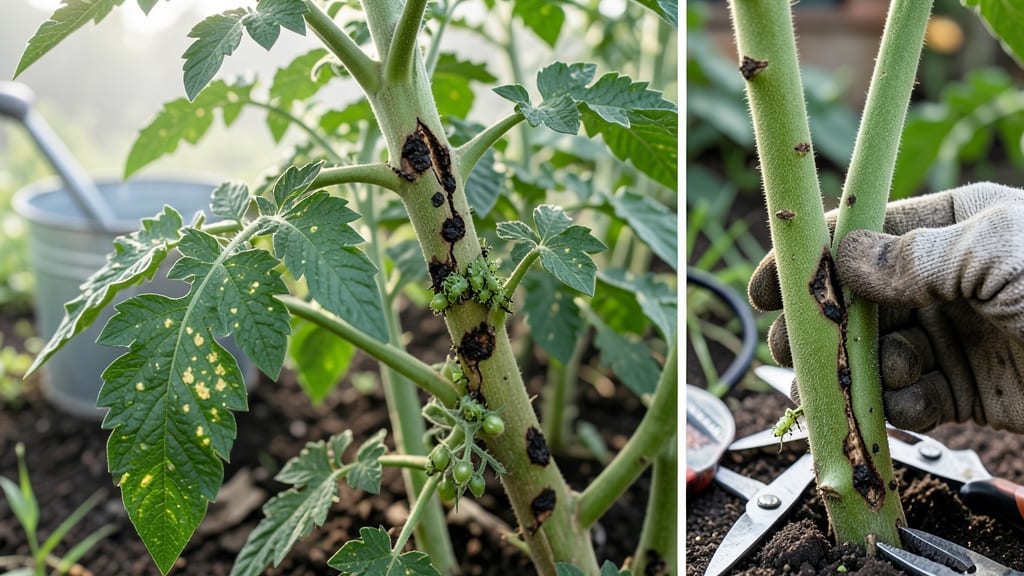
Tomato plant stem problems can turn your promising harvest into a sad pile of wilting vines—unless you catch them early. I’ve seen firsthand how a single weak spot can spread like wildfire, turning healthy plants into sad, stunted shadows by midsummer.
The good news? Most issues have simple fixes if you know what to look for.
Cracked stems, soft spots, or sudden wilting often mean blight, pests, or sunscald—not just bad luck. I learned the hard way when my prized heirlooms collapsed mid-July. The fix isn’t always dramatic: sometimes it’s pruning, sometimes it’s shade cloth, and sometimes it’s just giving the plant a little support.
The key is acting fast before the problem spreads.
By the end of this guide, you’ll spot trouble before it takes over and know exactly how to save your plants. We’re talking stronger stems, bigger fruit, and fewer panicked late-summer rescues. And yes, even your black-thumbed tomato plants can make a comeback with the right moves.
Whether it’s fungal infections, critters munching at the base, or just too much sun, we’ll cover the most common culprits and how to stop them in their tracks. Let’s get those stems back in fighting shape before harvest season slips away.
Root Causes of Stem Woes
When your tomato plant’s stem starts acting up—whether it’s wilting, cracking, or turning mushy—it’s usually a sign that something’s gone awry beneath the surface. Understanding the why behind these issues is the first step to saving your plants.
Below, we break down the most common culprits, backed by science, so you can diagnose and act fast.
Tomatoes thrive in warm but stable conditions, and when temperatures fluctuate wildly—especially between scorching days and chilly nights—their stems pay the price. Here’s how it happens:
- Heat Stress: Temperatures above 90°F (32°C) can cause sunscald, where the stem’s outer layer (epidermis) dies due to excessive sunlight and heat. This leads to white or brown patches, making the stem brittle and prone to cracking.
- Cold Damage: Frosts or temperatures below 50°F (10°C) can trigger chilling injury. Cell membranes rupture, disrupting water flow and causing the stem to soften or turn black.
- Rapid Changes: Sudden drops (e.g., from 85°F to 45°F in 24 hours) confuse the plant’s vascular system, leading to physiological drought—even if the soil is moist.
💡 Pro Tip: Use shade cloth during heatwaves and row covers for overnight protection in cooler climates. Mulching with straw also stabilizes soil temps.
Water is essential, but too much—or the wrong kind—can drown your tomato’s stem. Here’s the science:
- Root Rot: Phytophthora and Pythium fungi thrive in soggy soil, blocking the stem’s xylem vessels (which transport water). The stem turns black, mushy, and collapses at the base.
- Bursting Cells: Overwatering causes osmotic stress, where excess moisture dilutes the soil’s nutrients, leading to blossom end rot (though it starts in the fruit, the stem’s vascular system weakens too).
- Compaction: Heavy clay soils or over-tamped beds restrict oxygen, suffocating roots. The stem can’t absorb enough water, leading to wilting even when the soil looks wet.
🔥 Fix It: Test your soil’s drainage—if water pools after 30 minutes, amend with perlite or compost. Water deeply 2–3 times per week (not daily) and avoid wetting the foliage.
Pathogens love tomato stems—they’re soft, juicy, and packed with nutrients. These are the top offenders:
| Culprit | How It Attacks | Tell-Tale Signs |
|---|---|---|
| Fusarium Wilt (Fungus) | Invades the xylem, clogging water transport. Spreads via contaminated soil or tools. | Yellowing leaves (bottom-up), wilting even when hydrated, stem discoloration (brown streaks when cut open). |
| Verticillium Wilt (Fungus) | Blocks vascular tissue, causing vascular discoloration. Survives in soil for years. | Stunted growth, one-sided wilting, dark streaks in stem cross-sections. |
| Bacterial Wilt (Ralstonia) | Bacteria multiply in the stem’s vascular system, oozing yellow bacterial ooze when cut. | Sudden wilting (even in hours), translucent slime at stem base. |
| Gray Mold (Botrytis) | Thrives in high humidity, rotting stems at wounds or leaf junctions. | Gray fuzzy growth, soft rot at stem bases or pruning sites. |
🎯 Prevention: Rotate crops, sterilize tools with 10% bleach solution, and avoid overhead watering. For fungal wilt, resistant varieties (like ‘Mountain Merit’) are your best bet.
Not all stem problems are invisible. Pests and human mistakes can cause visible (and painful) damage:
- Sap-Sucking Pests: Aphids, spider mites, and whiteflies pierce the stem to feed, injecting toxins that weaken the plant. Heavy infestations cause stunting and curling.
- Chewers: Tomato hornworms and cutworms can girdle stems, severing the plant’s nutrient flow. Look for ragged bite marks or missing sections.
- Mechanical Stress: Rough handling (e.g., transplant shock or wind damage) can bruise stems, creating entry points for pathogens.
🔪 Quick Action: Inspect stems daily for chew marks or sticky residue (honeydew). Use neem oil for pests and stake plants to prevent wind damage.
Stems need a balanced diet—too little or too much of certain nutrients can cause structural issues:
- Calcium Deficiency: Leads to blossom end rot (though it starts in fruit), but also weakens cell walls in stems, making them prone to cracking.
- Nitrogen Imbalance: Too much = soft, spindly stems (susceptible to breakage); too little = stunted growth and purpling (anthocyanin buildup) in stems.
- Toxic Buildup: Excessive salt (from fertilizers or tap water) or boron can cause brown necrotic spots on stems.
🌡️ Soil Test First: Use a home soil test kit to check pH (ideal: 6.0–6.8) and nutrient levels. Amend with lime (for acidity) or chelated iron (for alkalinity) as needed.
Quick Fixes for Weak Tomato Stems
A weak or damaged tomato stem can mean the difference between a bountiful harvest and a sad, wilted plant. The good news? Most issues are fixable with a little care and the right approach.
Below, we’ll break down practical solutions for common stem problems—whether it’s wilting, cracking, or disease—and how to prevent future struggles.
---
Cause: Overwatering, underwatering, root damage, or heat stress.
How to Treat It: 🔥 Step 1: Check the Roots - Gently dig around the base (1-2 inches deep) to inspect for rot or dryness. - If roots look mushy or black (🚨 root rot), trim the affected parts with sterilized scissors and replant in fresh, well-draining soil.
🍳 Step 2: Adjust Watering Habits - Overwatered? Let the soil dry out slightly between waterings. Water deeply but less frequently (1-1.5 inches per week). - Underwatered? Water slowly at the base until moisture reaches 6 inches down. Avoid wetting leaves to prevent disease.
👨🍳 Step 3: Support the Plant - Use a stake, cage, or trellis to prop up weak stems. Tie gently with soft plant ties or old T-shirts to avoid cutting into the stem.
🥘 Step 4: Shield from Heat Stress - If wilting happens in extreme heat (above 90°F), provide afternoon shade with a light cloth or move pots to a cooler spot.
💡 Prevention Tips: - Use mulch (straw or grass clippings) to retain moisture and regulate soil temperature. - Water early in the morning to reduce evaporation and fungal risks. - Choose determinate varieties (like Roma or Celebrity) for bushier, sturdier growth if your climate is hot or windy.
---
Cause: Rapid growth, uneven watering, or genetic predisposition (common in heirloom varieties).
How to Treat It: 🔪 Step 1: Prune Carefully - If cracks are minor, leave them alone—they won’t harm the plant. For deep splits, sterilize pruning shears (rubbing alcohol) and trim jagged edges to prevent pests from nesting.
⏰ Step 2: Stabilize the Plant - Stake immediately if the stem is unstable. Use a soft tie (like a strip of fabric) to secure it without crushing. - For severe splits, brace the stem with a small wooden dowel or bamboo stake along the crack.
🌡️ Step 3: Monitor Watering - Avoid sudden watering changes—keep soil consistently moist but not soggy. Use a drip irrigation system for steady hydration.
🎯 Prevention Tips: - Fertilize evenly with a balanced 10-10-10 or tomato-specific feed to encourage steady (not explosive) growth. - Harvest regularly to prevent overloading the plant, which stresses stems. - Choose resistant varieties like ‘Mountain Merit’ or ‘Better Boy’ if cracking is a recurring issue.
---
Cause: Fungal (early blight, fusarium wilt), bacterial (canker), or viral infections.
How to Treat It: 💡 Step 1: Identify the Threat - Brown spots with yellow halos? Likely early blight (fungal). Remove infected leaves immediately. - Wilting + brown streaks inside the stem? Fusarium wilt (fungal)—no cure, but you can save the plant temporarily by pruning infected foliage and improving drainage. - Oozing, sunken lesions? Bacterial canker—prune infected areas below the lesion and sterilize tools.
🔥 Step 2: Apply Fungicides/Bactericides - Preventative spray: Mix 1 tsp baking soda + 1 quart water + a drop of dish soap (for fungal issues). Spray every 7-10 days. - For bacterial canker: Use copper fungicide (follow label instructions) and avoid overhead watering.
🌱 Step 3: Revitalize the Plant - Improve airflow: Space plants 18-24 inches apart and prune lower leaves to reduce humidity near the soil. - Boost immunity: Feed with compost tea or fish emulsion (diluted) to strengthen the plant’s defenses.
✨ Prevention Tips: - Rotate crops—never plant tomatoes (or nightshades) in the same spot next year. - Sterilize tools between plants to avoid spreading disease. - Start with disease-resistant seeds like ‘Defiant PhR’ (for fusarium wilt) or ‘Heatmaster’ (for bacterial wilt).
--- 📊 Pro Tip: Keep a plant journal to track watering, fertilizing, and symptoms. This helps you spot patterns and adjust care before problems escalate!
Frequently asked questions
Why is my tomato plant's stem suddenly turning black at the base?
This is likely root rot from overwatering or poor drainage. The stem turns black and mushy when fungal pathogens like Phytophthora block water transport. Stop watering immediately, trim any blackened roots with sterilized scissors, and replant in fresh, well-draining soil with perlite or compost. Water only when the top 2 inches of soil are dry.
Can I save a tomato plant with a cracked stem?
Minor cracks are usually harmless, but deep splits need attention. Sterilize pruning shears with rubbing alcohol, then trim jagged edges to prevent pests. Support the stem with a soft tie and bamboo stake to stabilize it. Avoid sudden watering changes—keep soil consistently moist. For heirloom varieties prone to cracking, consider sturdier varieties like 'Mountain Merit' next season.
What should I do if my tomato plant wilts but the soil is moist?
This classic symptom often signals vascular diseases like fusarium or verticillium wilt. Cut open the stem to check for brown streaks—if present, there's no cure, but you can slow progression by pruning infected leaves and improving drainage. For bacterial wilt (translucent ooze when cut), remove the plant immediately to prevent spread. Always sterilize tools between plants!
How can I prevent my tomato stems from getting weak in windy conditions?
Use stakes, cages, or trellises as soon as plants are 6 inches tall. Tie stems gently with soft fabric strips (never wire) to avoid cutting into the stem. For container plants, add weighted bases or bury the pot halfway to anchor it. Mulch with straw to stabilize soil moisture and reduce stress during windy periods.
Is it safe to prune tomato stems to fix problems?
Yes, but only with sterilized tools! Prune below infected areas (for disease) or above leaf junctions (for shaping). Never remove more than 1/3 of the plant at once. For fungal issues, dip pruners in a 10% bleach solution between cuts. Avoid pruning during wet weather to prevent spreading spores. Always make clean cuts at 45-degree angles for faster healing.