
Companion Plants
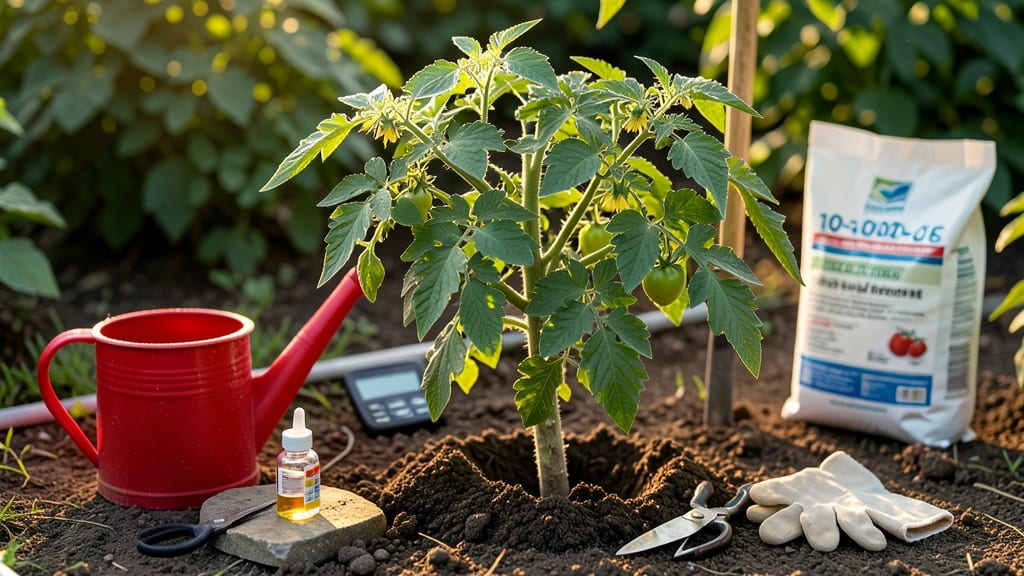
Why is my tomato plant turning yellow? Don’t panic—it’s just your plant’s way of signaling a fixable issue. 🌱 I’ve seen this happen more than I’d like to admit, and the good news is that most causes have simple solutions. The first step is figuring out whether your plant needs water, food, or a closer look for pests hiding in plain sight.
Yellow leaves often mean one of three things: overwatering (roots drowning in soggy soil), nutrient deficiency (especially nitrogen or magnesium), or pests like spider mites sucking the life out of your plant.
Check the soil first—it should feel like a damp sponge, not a swamp. If it's dry, water deeply; if it's soggy, hold off until it dries out.
For nutrient issues, a balanced fertilizer or compost tea works wonders. Look for yellowing between veins? That's magnesium deficiency—try Epsom salt dissolved in water. Pests leave behind tiny webs or speckled leaves, and neem oil is your best friend for a quick fix.
Most plants bounce back within 1-2 weeks of the right care.
Prevention is easier than fixing: mulch to keep soil moist but not soggy, rotate crops yearly, and inspect leaves regularly. If yellowing spreads despite your efforts, it might be time to call in a local extension office—they can help rule out fungal diseases or soil-borne issues.
Your tomatoes will be back to their vibrant green in no time!
Root Causes Of Yellowing Tomatoes
Yellow leaves on your tomato plant aren’t just a sign of trouble—they’re a cry for help in plant-speak. 🌱💛 Understanding the why behind the yellow is the first step to saving your harvest.
Below, we break down the most common culprits, backed by science, so you can diagnose and fix the issue fast.
Tomatoes hate soggy feet. When roots sit in waterlogged soil, they suffocate—cutting off oxygen and triggering anaerobic conditions. This forces the plant to prioritize survival over fruit production, causing leaves to yellow (a process called chlorosis) as chlorophyll breaks down.
How to spot it:
- Yellowing starts at the bottom leaves and spreads upward.
- Soil feels muddy or smells sour (like rotten eggs).
- Roots appear black, mushy, or slimy when checked.
Fix it:
- Test your soil’s drainage by digging a hole, filling it with water, and timing how long it takes to drain. If it’s slower than 4–6 hours, amend with perlite, sand, or compost.
- Water deeply but less often—aim for 1–1.5 inches per week (including rain). Use a moisture meter to avoid guesswork.
- Raise beds or containers to improve airflow at the roots.
Yellowing often signals a nutrient imbalance. Tomatoes are heavy feeders, and when one key nutrient drops, the plant prioritizes growth in other areas, leaving leaves pale or yellow.
📊 Iron Deficiency (Yellow Between Veins)
- Why? Iron is essential for chlorophyll production, but tomatoes struggle to absorb it in alkaline soil (pH > 7.0).
Even if iron is present, the roots can’t access it. - Symptoms: New leaves turn bright yellow with green veins (interveinal chlorosis).
Fix it:
- Lower soil pH with elemental sulfur, peat moss, or vinegar (1 tbsp per gallon of water, applied weekly).
- Use chelated iron (like iron sulfate or iron EDTA) as a foliar spray or soil drench.
- Compost tea boosts microbial activity, helping roots absorb iron more efficiently.
💪 Nitrogen Deficiency (Overall Pale Yellow)
- Why? Nitrogen is the building block of chlorophyll.
If soil is depleted (common after multiple harvests), leaves turn uniformly pale yellow or light green. - Symptoms: Yellowing starts on older leaves (the plant “steals” nitrogen from them to feed new growth).
Fix it:
- Add organic matter like compost, worm castings, or well-rotted manure.
- Use a balanced fertilizer (10-10-10 or 5-5-5) or a nitrogen-specific boost like blood meal (1 tbsp per plant).
- Mulch heavily with straw or grass clippings to slow nitrogen loss from evaporation.
🌡️ Magnesium Deficiency (Yellow Edges)
- Why? Magnesium is the center of the chlorophyll molecule. When levels drop, leaves develop yellow patches between veins, often starting on older leaves.
- Symptoms: Interveinal yellowing with crispy edges (like a “V” shape).
Fix it:
- Apply Epsom salt (magnesium sulfate) as a soil drench (1 tbsp per gallon) or foliar spray (1 tbsp per gallon + a drop of dish soap).
- Use dolomitic lime (if soil pH is below 6.0) to slowly release magnesium.
- Avoid over-fertilizing with potassium, which can compete with magnesium uptake.
Tomatoes are 95% water by weight, and when they don’t get enough, leaves curl, wilt, and yellow as the plant conserves moisture.
How to spot it:
- Yellowing is more pronounced in hot afternoons.
- Soil feels bone-dry 1–2 inches down.
- Leaves may crisp or drop easily.
Fix it:
- Water at the base (not overhead) early in the morning to reduce evaporation.
- Mulch with straw or wood chips to retain moisture and keep roots cool.
- Provide shade cloth (30–50%) during peak heat (10 AM–2 PM) if temps exceed 90°F (32°C).
Not all yellowing is environmental—sap-sucking pests and fungal infections can drain nutrients, causing leaves to weaken and yellow.
🐜 Common Culprits:
- Aphids, spider mites, or whiteflies – Inject toxins that disrupt chlorophyll, leading to speckled yellowing.
- Fungal diseases (early blight, septoria leaf spot) – Cause yellow spots with dark borders or target-like patterns.
- Root-knot nematodes – Stunt root growth, reducing water/nutrient uptake, leading to generalized yellowing.
Fix it:
- Spray with neem oil (1 tsp per quart of water) to smother pests and prevent fungal spread.
- Introduce beneficial insects (ladybugs, lacewings) or companion plants like basil or marigolds to deter pests.
- Rotate crops next season to break disease cycles.
- Solarize soil (cover with clear plastic for 4–6 weeks) to kill nematodes before replanting.
If your tomato plant suddenly turns yellow after repotting or a storm, the issue might be physical stress to the roots.
Symptoms:
- Yellowing appears within days of transplanting.
- Leaves wilt briefly before turning yellow.
- New growth is stunted.
Fix it:
- Water deeply for the first 2 weeks to help roots establish.
- Avoid fertilizing for 10–14 days post-transplant (focus on recovery first).
- Gently check roots—if they’re circled or girdled, trim damaged sections with sterilized scissors and replant.
Tomatoes need 6–8 hours of direct sun daily. Too little light = weak, yellow leaves. Too much heat without adaptation = sunburn stress.
Symptoms:
- Yellowing on shady sides of the plant.
- Bleached or scalded patches on leaves exposed to intense afternoon sun.
Fix it:
- Move plants to a sunnier spot (or use reflective mulch like white plastic).
- Use shade cloth in high-desert or tropical climates to filter harsh light.
- Hardening off seedlings gradually (exposing them to sun + wind over 7–10 days) prevents shock.
Before diving into complex fixes, check these quick fixes: ✅ Is the yellowing uniform or spotty? (Uniform = nutrient issue; spotty = pest/disease.) ✅ Are the oldest or newest leaves yellowing? (Old = nitrogen/magnesium; new = phosphorus/potassium.) ✅ Does the soil smell musty? (Yes = overwatering; no = likely nutrient-related.)
Next Steps:
- Take a soil test (kits cost $10–$20) to confirm pH and nutrient levels.
- Keep a plant journal—note watering, fertilizing, and weather patterns to spot trends.
Fix Your Tomato Plant’s Yellowing
Now that you’ve identified the root cause of your tomato plant’s yellowing leaves, it’s time to take action! Whether it’s a nutrient deficiency, overwatering, or pests, each issue has a straightforward fix. Below, we’ll break down the solutions by cause—plus prevention tips to keep your plants thriving.
🔥 Low Nitrogen (Pale Yellow Leaves)
If your older leaves are turning pale yellow, your plant is likely nitrogen-starved. How to Fix It:
- Apply a balanced fertilizer (10-10-10 or 5-5-5) every 2–3 weeks during the growing season.
- Use organic options like compost, fish emulsion, or manure tea for a slow-release boost.
- Top-dress with compost around the base of the plant for a nutrient-rich soil amendment.
💡 Prevention Tip: Test your soil annually to monitor nitrogen levels. If your soil is sandy or poor in organic matter, consider adding a nitrogen-rich mulch like grass clippings.
🍳 Low Potassium (Yellow Edges on Leaves)
Yellowing along leaf edges or between veins signals potassium deficiency. How to Fix It:
- Use a potassium-rich fertilizer (like banana peel tea or wood ash) or a balanced 5-10-10 formula.
- Apply Epsom salt (1 tablespoon per gallon of water) every 2–3 weeks to boost potassium and magnesium.
- Plant potassium-rich companion plants like beans, peas, or marigolds nearby to naturally improve soil health.
💡 Prevention Tip: Avoid overwatering, as potassium leaches out in soggy soil. Mulch with straw to retain moisture and nutrients.
👨🍳 Low Magnesium (Interveinal Yellowing)
Yellow patches between veins (but green veins) mean magnesium deficiency. How to Fix It:
- Spray leaves with Epsom salt solution (1 tablespoon per gallon of water) every 2 weeks.
- Add dolomitic lime to the soil if your pH is too low (ideal range: 6.0–6.8 for tomatoes).
- Use worm castings or compost tea for a slow-release magnesium boost.
💡 Prevention Tip: Avoid over-fertilizing with nitrogen-heavy feeds, as this can lock out magnesium.
🥘 Low Iron (Yellow New Leaves)
Bright yellow new growth with green stems indicates iron deficiency (common in alkaline soil). How to Fix It:
- Apply chelated iron (available at garden centers) or use iron sulfate granules in the soil.
- Lower soil pH by adding sulfur or peat moss if your soil is alkaline.
- Use liquid iron supplements like iron EDTA, which plants absorb more easily.
💡 Prevention Tip: Water deeply but infrequently to prevent iron from washing away. Avoid overworking the soil, as compacted soil reduces root access to nutrients.
🌡️ Yellowing from Overwatering
If the soil stays soggy and leaves turn yellow with mushy stems, your plant is drowning. How to Fix It:
- Let the top 1–2 inches of soil dry out before watering again.
- Improve drainage by amending soil with perlite, sand, or coconut coir.
- Repot in well-draining containers if growing in pots (use holes + saucers).
💡 Prevention Tip: Use a moisture meter or stick your finger in the soil to check moisture levels. Drip irrigation or soaker hoses help avoid overwatering.
🔪 Yellowing from Pests (Aphids, Spider Mites, Whiteflies)
Pests suck sap, causing yellowing and stunted growth. How to Fix It:
- Spray with neem oil (1 tsp per quart of water) or insecticidal soap to kill pests.
- Introduce beneficial insects like ladybugs or lacewings to eat aphids naturally.
- Prune and destroy heavily infested leaves to stop the spread.
💡 Prevention Tip: Encourage biodiversity in your garden—healthy companion plants (like basil or marigolds) deter pests.
🍄 Yellowing from Fungal Diseases (Early Blight, Septoria Leaf Spot)
Brown/yellow spots with black rings mean fungal infection. How to Fix It:
- Remove and destroy infected leaves immediately.
- Apply copper fungicide or a baking soda spray (1 tbsp baking soda + 1 quart water + a drop of dish soap).
- Space plants for airflow and avoid overhead watering.
💡 Prevention Tip: Rotate crops yearly and sterilize tools to prevent fungal buildup.
- Trim damaged leaves to redirect energy to healthy growth.
- Check sunlight exposure—tomatoes need 6–8 hours of sun daily.
- Mulch with straw or grass clippings to retain moisture and regulate soil temperature.
- Monitor regularly—catch issues early before they spread!
✨ Pro Tip: Keep a garden journal to track what works (and what doesn’t) for your specific soil and climate. Happy growing! 🍅🌿
Frequently asked questions
Why are my tomato plant's oldest leaves turning yellow first?
This is normal for nutrient deficiencies like nitrogen or magnesium—your plant prioritizes feeding new growth. Check soil moisture first (shouldn't be soggy), then test for deficiencies. Older leaves yellowing while new ones stay green often means nitrogen deficiency, while yellow edges on older leaves suggest magnesium.
Can I save my tomato plant if half the leaves are already yellow?
Yes! Focus on the root cause first. If it's overwatering, let the soil dry completely between waterings. For nutrient issues, apply targeted fixes (like Epsom salt for magnesium) and monitor for 1-2 weeks of improvement. Remove severely damaged leaves to redirect energy to healthy growth.
What's the difference between yellow leaves from overwatering vs. underwatering?
Overwatered leaves feel mushy, droop, and often smell sour from root rot. Underwatered leaves appear crispy, curl at edges, and yellowing happens in hot afternoons. Stick your finger 1-2 inches into soil—if dry, water deeply; if soggy, hold off until it dries.
Will yellow leaves affect my tomato harvest?
Not necessarily! Mild yellowing from nutrient deficiencies rarely harms fruit production. However, severe cases (like fungal diseases or root rot) can reduce yields. Focus on fixing the underlying issue—healthy leaves mean better photosynthesis, which translates to more energy for fruit development.
How often should I fertilize tomato plants to prevent yellowing?
Every 2-3 weeks during growing season with a balanced fertilizer (10-10-10). For organic gardens, use compost tea monthly or side-dress with compost every 4-6 weeks. Too much fertilizer causes its own problems—always water after applying to prevent root burn.