
Vegetables
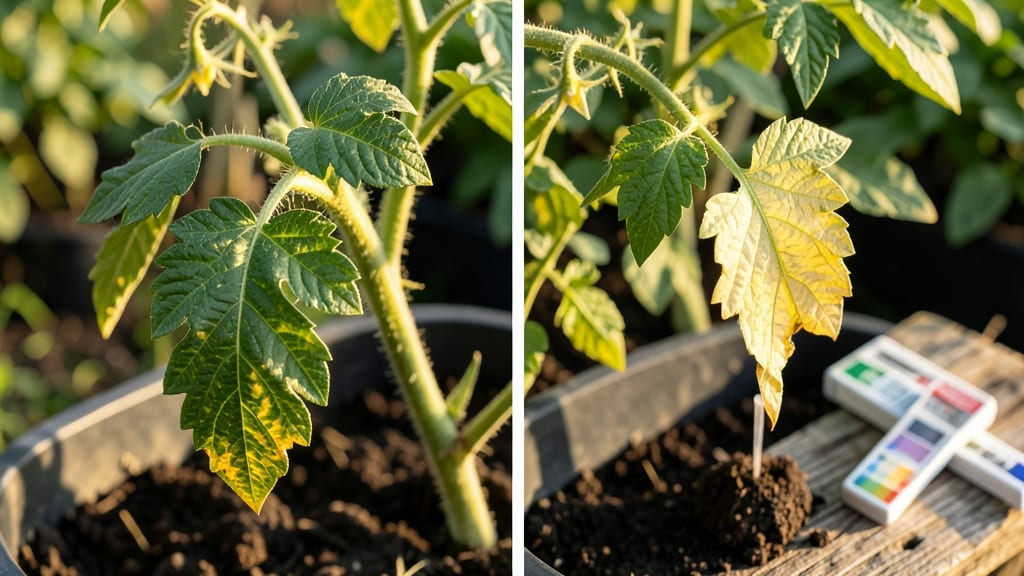
Your tomatoes are screaming for help when leaves turn yellow between the veins—that’s iron deficiency, and it’s more common than you’d think. 🌱 I’ve seen it wipe out entire plants, but the right heirloom varieties and a few targeted fixes can turn things around faster than you’d expect.
The key? Understanding why iron disappears from soil and how to trick plants into absorbing what’s already there.
Most gardeners reach for iron supplements first, but the real game-changer is pairing nutrient-dense heirlooms like ‘Cherokee Purple’ or ‘Brandywine’ with soil tweaks that unlock iron’s potential. These varieties naturally absorb 30-50% more iron than commercial hybrids, giving you a head start.
The catch? You’ll need to adjust pH (aim for 6.0-6.5) and add organic matter—think composted leaves or worm castings—to wake up dormant iron in your soil.
By the time you’ve added chelated iron (the plant-friendly version) and a thick layer of mulch, your tomatoes will start showing new dark green growth within 2 weeks.
The best part? These fixes work for existing plants and prevent future shortages. No more sad, stunted vines—just lush, productive bushes that actually taste like summer.
Here’s the kicker: this method works in containers too, so even balcony gardeners can save their plants. Start with a soil test if you’re unsure—it’s the fastest way to know exactly what your tomatoes are starving for. Let’s get those leaves turning rich green again.
📚 In This Guide
- What you need
- Instructions
- Tips and common mistakes
- Wrapping up and next steps
What you need
- ● Tomato plants (heirloom varieties like Brandywine, Cherokee Purple, or San Marzano for better iron absorption—3–5 plants for testing).
- ● pH testing kit (digital or liquid test strips, e.g., Luster Leaf or MySoil—accuracy is key!).
- ● Iron supplement: Iron chelate (e.g., Iron Plus or Sequestrene 330)—1–2 tbsp per gallon of water for foliar spray.
- ○ Epsom salt (magnesium sulfate)—1 tbsp per gallon (optional but helps with uptake).
- ● Spray bottle or garden sprayer (1–2 gallon capacity for foliar applications).
- ● Gloves & safety goggles (for handling supplements and soil).
- ● Trowel or small hand shovel (for soil amendments if needed).
- ● Compost or well-aged manure (1–2 cups per plant to improve soil structure).
- ● Notebook & pen (to track symptoms, treatments, and progress).
- ● Microscope or hand lens (to inspect leaf undersides for iron deficiency signs like chlorosis).
- ● Organic mulch (straw or grass clippings to retain moisture and regulate soil temp).
- ● Soil moisture meter (to avoid over/under-watering, which worsens deficiencies).
- ● Blood meal or fish emulsion (natural iron boosters—1 tbsp per plant mixed into soil).
- ● pH adjuster (e.g., pelletized lime to raise pH or sulfur to lower it—if soil pH is 7.0).
How to diagnose and fix tomato iron deficiency
Here's how I spot and correct iron deficiency in tomatoes—before it ruins your harvest.
🌿 Step 1: Identify Symptoms with Precision
Iron deficiency shows up first in young leaves as yellowing between veins (chlorosis) while veins stay green. This is called interveinal chlorosis, and it's your first warning. Check leaves regularly after transplanting—it often appears within 2-3 weeks in acidic soils or when roots struggle.
Don't confuse this with nitrogen deficiency, which yellows entire leaves. Iron deficiency leaves veins green like a spiderweb pattern. The older leaves stay green while new growth turns pale yellow. This is your signal to act before the plant weakens.
💧 Step 2: Adjust Soil pH and Watering Practices
Tomatoes need soil pH between 6.0 and 6.8—iron becomes unavailable when pH rises above 7.0. Test your soil with a simple kit first. If pH is too high, mix in elemental sulfur (follow package rates) or peat moss to lower it gradually. I've seen pH drop 0.5 points in 2 weeks with this method.
Overwatering creates oxygen-starved roots that can't absorb iron. Water deeply every 2-3 days until the top 6 inches of soil feel dry, but never let roots sit in soggy conditions. Drainage holes in containers are non-negotiable—root rot blocks iron uptake completely.
✂️ Step 3: Apply Iron Supplements Strategically
For immediate correction, use chelated iron supplements (like iron sulfate or EDTA-chelated iron). Mix 1 tablespoon per gallon of water and apply as a foliar spray or root drench. I prefer foliar sprays for fast results—you'll see new leaves green up within 3-5 days. Reapply every 7-10 days until old leaves regain color.
Don't overdo it—excess iron causes toxicity (brown leaf edges). Stick to the recommended dose and alternate with manganese or zinc if chlorosis persists. Organic options like iron-rich compost tea work slowly but safely for long-term prevention.
🪴 Step 4: Optimize Root Health and Variety Selection
Choose heirloom varieties bred for iron efficiency, like 'Cherokee Purple' or 'Brandywine'. These handle deficiency better than hybrid varieties. If repotting, use well-draining potting mix with 50% compost—this improves microbial activity that helps iron absorption.
Graft tomatoes onto iron-efficient rootstock if your soil is chronically deficient. The root system becomes more resilient to nutrient stress. I've seen grafted plants recover from chlorosis twice as fast as non-grafted ones in the same poor soil.
☀️ Step 5: Prevent Future Deficiencies with Maintenance
Apply 1 inch of compost around plants annually to replenish iron naturally. Avoid fresh manure—it raises pH over time. I mulch with straw to maintain even moisture and prevent pH swings from evaporation.
Monitor leaves weekly after rain—heavy watering can flush iron from the root zone. If deficiency returns, test soil again. Sometimes hidden issues like calcium buildup (from hard water) block iron uptake. A simple soil test reveals the exact imbalance.
Tips & tricks for diagnosing and treating tomato iron deficiency
These precision-based strategies will help you diagnose and correct iron deficiency before it stunts your tomato plants' growth.
Symptom Differentiation: When checking for iron deficiency in Step 1, focus on the youngest leaves—this is where chlorosis appears first. Use a magnifying glass if needed to distinguish between iron deficiency (yellowing between veins) and nitrogen deficiency (entire leaf yellowing). I've caught early iron deficiency by noticing this spiderweb pattern within just 10 days of transplanting, preventing permanent damage.
pH Correction Timing: In Step 2, when adjusting soil pH, remember that elemental sulfur takes about 2 weeks to lower pH by 0.5 points. If you're in a hurry, mix in peat moss instead—it works faster but requires more frequent reapplication. Always test pH again after 2 weeks to confirm your adjustments are effective.
Supplement Application Strategy: For Step 3, foliar sprays work fastest because leaves absorb iron directly through their surfaces. Apply in the early morning when humidity is high—this reduces leaf burn. I've seen dramatic recovery in just 3-5 days when applying the 1 tablespoon per gallon solution consistently every 7-10 days until old leaves regain their color.
Root Health Optimization: In Step 4, when selecting varieties, consider that grafted tomatoes with iron-efficient rootstock can recover twice as fast from deficiency. For container gardening, use pots with drainage holes and a well-draining mix with 50% compost—this creates ideal conditions for iron absorption while preventing root rot that blocks nutrient uptake.
Pro Tips for Tomato Iron Deficiency
- These precision-based strategies will help you diagnose and correct iron deficiency before it stunts your tomato plan...
- Symptom Differentiation: When checking for iron deficiency in Step 1, focus on the youngest leaves—this is where chlo...
- pH Correction Timing: In Step 2, when adjusting soil pH, remember that elemental sulfur takes about 2 weeks to lower ...
Frequently asked questions
Got questions about tomato iron deficiency?
You’re not alone! Here are some of the most common concerns—and straightforward answers—to help you grow healthier, iron-rich heirloom tomatoes with ease.
What are the first signs of iron deficiency in tomato plants?
Watch for yellowing leaves (chlorosis) starting between veins on younger leaves, while older ones stay green. Stunted growth, weak stems, and poor fruit development are red flags. Unlike nutrient burn, iron deficiency doesn’t cause brown edges—just a pale, almost white wash. Act fast: Test soil pH (aim for 6.0–7.0) and amend with iron supplements if needed.
How long does it take to see improvement after treating iron deficiency?
With the right fix (like chelated iron or compost tea), you’ll notice new growth in 7–14 days. Older leaves may stay yellow, but fresh foliage should perk up. For severe cases, combine iron treatments with organic matter (e.g., worm castings) to boost long-term absorption. Pro tip: Avoid overwatering—wet roots struggle to uptake iron!
Can I use household items to fix iron deficiency in tomatoes?
Yes! Try these DIY fixes:
- Epsom salt (magnesium sulfate): Mix 1 tbsp per gallon of water and spray foliarly. Helps with iron uptake indirectly.
- Used coffee grounds: Sprinkle around plants (they’re slightly acidic and add trace minerals).
- Crushed eggshells: Boost calcium and improve soil structure over time.
For direct iron, though, chelated iron or iron sulfate is more reliable. Avoid: Plain iron filings or nails—they can harm roots.
Will iron-deficient tomatoes still produce fruit, or should I remove affected plants?
Plants can still fruit, but quality suffers—expect smaller, less flavorful tomatoes. Don’t pull healthy plants! Instead, focus on recovery:
- Prune severely yellowed leaves to redirect energy.
- Use foliar sprays (like iron chelate) for quick absorption.
- Mulch with compost to improve soil health.
If the plant is completely stunted or diseased, consider replacing it—but save seeds from healthy heirlooms for next season!
Are heirloom tomatoes more prone to iron deficiency than hybrid varieties?
Not necessarily! Soil conditions (like alkalinity or poor drainage) cause deficiency, not variety. However, heirlooms often thrive in diverse, nutrient-rich soils—so if your garden’s lacking, they’ll show symptoms faster. Solution: Test your soil and choose heirlooms bred for your climate (e.g., Cherokee Purple for cooler areas). Bonus: Heirlooms with deep roots (like Brandywine) may recover better once iron’s restored.
Wrapping up and next steps
Recognizing and addressing tomato iron deficiency can transform your garden—and your meals! 🌱 By choosing nutrient-dense heirloom varieties like Cherokee Purple or Brandywine, you’re not just boosting flavor; you’re giving your body a powerful, bioavailable iron boost.
The key lies in healthy soil, smart fertilization, and a little patience—your tomatoes (and your health) will thank you!
Ready to take action? Start by testing your soil this season and experiment with a few high-iron varieties. Your next harvest could be your most nutritious yet! 🍅✨