
How To
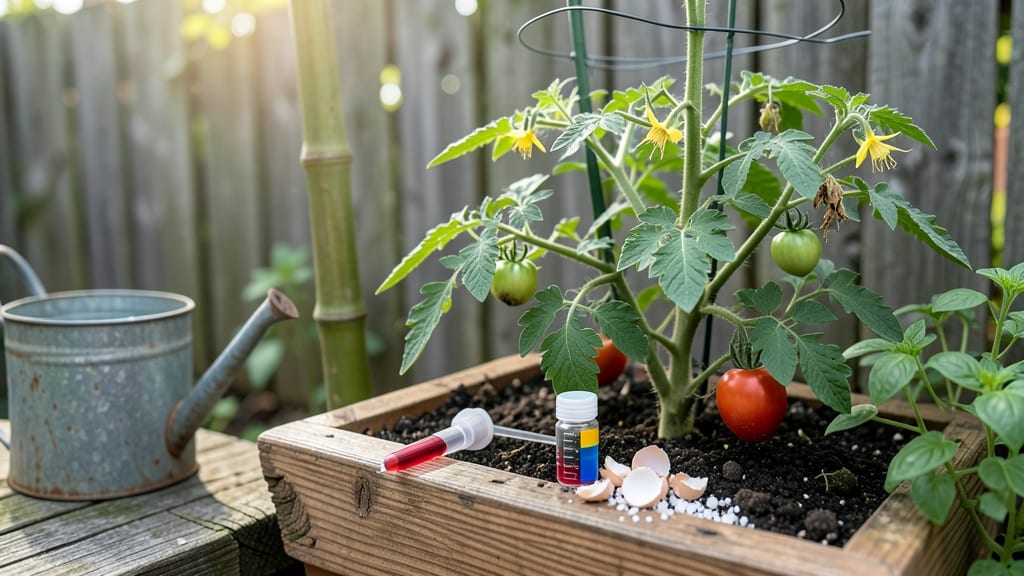
Your tomatoes and peppers are screaming for help—those dark, sunken spots at the blossom end ruin every harvest. 🌱 Blossom end rot isn’t just cosmetic; it’s a calcium deficiency that can wipe out half your crop if ignored.
The good news? This fix is simpler than you think, and it works for both tomatoes and peppers alike.
Most gardeners blame inconsistent watering (and they’re right—fluctuating moisture stresses plants), but the real villain is often a soil calcium imbalance. Over-fertilizing with nitrogen, compacted soil, or even hot afternoons can block calcium uptake.
The result? Those ugly, leathery patches that turn fruit unusable. But here’s the secret: you can reverse it with a few targeted tweaks.
Start by watering deeply twice a week (not daily light sprinkles), add a 2-3 inch layer of mulch to keep roots cool, and side-dress with crushed eggshells or gypsum for a calcium boost.
Within 2-3 weeks, new growth will show those telltale signs of recovery—firm, smooth fruit with no dark spots. The best part? Affected fruit is still safe to eat (just cut off the bad end).
This method works in containers, raised beds, and in-ground gardens—no matter your setup. The key is acting fast once you spot the first symptoms. Let’s turn those sad, spotted fruits into a thing of the past.
The Root Causes Of Fruit Scarring
When your tomato or pepper fruits develop those unsightly sunken, leathery brown spots at the blossom end, it’s a clear sign of calcium deficiency—but not in the way you might think.
Unlike nutrient deficiencies that show as yellowing leaves, blossom end rot (BER) is a physiological disorder tied to calcium uptake and distribution in fast-growing fruits. Let’s break down the science behind why this happens and what triggers it.
Tomatoes and peppers are calcium-hungry crops, especially during their exponential growth phase (when fruits swell quickly). Here’s the catch: calcium moves passively through the plant via water—it doesn’t get “pumped” to where it’s needed most.
When fruits grow too fast, the plant can’t deliver enough calcium to keep up, leaving the youngest, fastest-growing tissue (the blossom end) vulnerable to collapse.
Why it matters:
- 🌡️ Hot, dry weather speeds up fruit growth but slows calcium movement (water stress = less uptake).
- 💧 Inconsistent watering (drought followed by heavy watering) causes calcium to “rush” to roots instead of fruits.
- 🌱 Over-fertilizing with nitrogen fuels rapid growth but starves roots of the energy to absorb calcium.
Actionable fix: Slow growth with balanced fertilization (high potassium/phosphorus ratios) and deep, consistent watering (1–2 inches per week) to stabilize calcium flow.
Even if your soil has plenty of calcium, the plant might not be able to use it due to:
| Problem | Why It Happens | Fix It |
|---|---|---|
| High soil pH (alkaline) | Calcium binds to soil particles, making it unavailable. Ideal pH for tomatoes/peppers: 6.0–6.8. | Test soil pH and amend with sulfur or peat moss to lower pH. |
| Compacted or waterlogged soil | Roots suffocate, reducing calcium uptake. Oxygen is needed for root function! | Improve drainage with compost or gypsum and avoid overwatering. |
| Competition from other nutrients | Excess magnesium, potassium, or sodium can block calcium absorption. | Use a chelated calcium supplement (like calcium nitrate) for direct uptake. |
Pro tip: 💡 Gypsum (calcium sulfate) is a great soil amendment because it doesn’t alter pH while adding calcium. Work 1–2 lbs per 100 sq ft into the soil before planting.
Plants under stress prioritize survival over fruit development, redirecting calcium to leaves and roots. Common stressors include:
- 🔥 Heatwaves: High temps increase transpiration (water loss), but calcium can’t keep up with the demand.
- 💦 Flooding or drought: Both disrupt root function, cutting off calcium supply.
- 🌪️ Wind or hail damage: Physical stress forces the plant to allocate energy to repair, not fruit.
- 🍄 Fungal/bacterial infections: Root diseases (like Phytophthora) block nutrient absorption.
Actionable fix:
- 🌡️ Use shade cloth (30–50%) during heatwaves to reduce stress.
- 💧 Mulch heavily (straw or wood chips) to retain moisture and regulate soil temp.
- 🌱 Choose disease-resistant varieties (e.g., ‘Celebrity’ tomato or ‘Jalapeño M’ pepper).
Key takeaway: Blossom end rot is rarely about a total calcium deficiency—it’s about the plant’s inability to deliver calcium to the right place at the right time. By addressing growth speed, soil conditions, and stress, you can prevent this frustrating issue before it ruins your harvest. 🚜
Fixing Blossom End Rot Fast
Now that you know the root causes—whether it’s calcium deficiency, water stress, or pH imbalances—let’s tackle the fixes with actionable steps. The good news? Most solutions are simple, cost-effective, and can save your harvest mid-season.
Below, we’ve mapped the most common causes to their fixes, plus prevention tips to keep future crops healthy.
If your plants are starving for calcium, act fast with these fixes:
🍳 Quick Calcium Rescue for Existing Plants
- Epsom salt or calcium chloride spray: Mix 1 tablespoon of Epsom salt (magnesium sulfate) or 1 teaspoon of calcium chloride in 1 gallon of water.
Spray the leaves and soil every 3–4 days until new growth appears. (Avoid overdoing it—too much salt can harm roots!) - Crushed eggshells: Boil eggshells, grind them into a fine powder, and sprinkle 1–2 tablespoons per plant around the base.
Water lightly to help absorption. (💡 Pro tip: Save eggshells from your kitchen—no waste, all gain!) - Lime or gypsum: Work 1–2 pounds of gypsum (calcium sulfate) or 1 cup of crushed limestone into the top 6 inches of soil per 100 sq. ft.
This releases calcium slowly over time.
🌱 Prevention for Future Harvests
- Side-dress with compost: Mix aged compost or worm castings into the soil before planting.
These are rich in calcium and improve soil structure. - Use calcium-rich amendments: Amend your soil with bone meal (3–4 lbs per 100 sq. ft.) or kelp meal at planting time. - Mulch heavily: A 2–3 inch layer of straw or wood chips retains moisture and prevents calcium leaching.
Inconsistent watering is a top trigger. Here’s how to stabilize moisture:
👨🍳 Fix Uneven Watering Now
- Drip irrigation or soaker hoses: Switch to slow, deep watering (1–2 inches per week) to avoid fluctuations.
Water early morning to reduce evaporation. - Mulch like a pro: Cover soil with straw, grass clippings, or black plastic mulch to lock in moisture and regulate temperature. (✨ Bonus: Mulch also deters weeds!) - Avoid overhead watering: Drip systems prevent water from splashing calcium away from roots.
🌡️ Prevent Heat Stress
- Shade cloth: Use 30–50% shade cloth during peak sun (10 AM–4 PM) if temps exceed 90°F (32°C).
- Evening watering: If you must water in heat, do it at dusk to reduce stress.
If your soil is too acidic or alkaline, calcium becomes unavailable. Here’s how to balance it:
🔍 Test Your Soil First
- Grab a soil test kit (or send a sample to your local extension office). Ideal pH for tomatoes and peppers: 6.0–6.8.
🎯 Adjust pH for Better Uptake
- Too acidic (pH < 6.0)? Add lime (calcium carbonate). Sprinkle 5–10 lbs per 100 sq. ft. and water in.
- Too alkaline (pH > 7.0)? Mix in sulfur or peat moss (follow package rates) to lower pH gradually.
- Prune damaged fruit: Remove severely rotten tomatoes/peppers to redirect the plant’s energy to healthier growth.
- Avoid heavy fertilizers: Stick to balanced, organic fertilizers (like 5-5-5) and avoid high-nitrogen feeds, which worsen calcium uptake.
- Harvest early: If blossom end rot appears late in the season, pick fruits early—they’ll still ripen off the vine!
✅ Start with calcium-rich soil: Amend before planting with compost, gypsum, or crushed shells. ✅ Water consistently: Aim for 1–1.5 inches per week, never letting soil dry out completely. ✅ Monitor pH: Test soil annually and adjust as needed. ✅ Choose resistant varieties: Some heirloom tomatoes (like ‘Solar Fire’) tolerate stress better than others. ✅ Rotate crops: Avoid planting tomatoes/peppers in the same spot yearly to prevent calcium depletion.
Remember: Blossom end rot is often a sign of stress, not just calcium lack. By combining quick fixes with preventive care, you’ll turn your plants around—and enjoy a bountiful, rot-free harvest! 🍅🌶️
Frequently asked questions
Can I still eat tomatoes or peppers with blossom end rot?
Yes! The affected fruit is still safe to eat—just cut off the rotten end (about ½ inch around the dark spot) before using. The rest of the fruit is perfectly fine for cooking, sauces, or eating raw. The rot doesn’t spread to healthy tissue, so don’t waste your harvest!
Why does my pepper plant get blossom end rot but not my tomatoes?
Peppers are more sensitive to calcium stress than tomatoes because they grow faster and have thinner cell walls. Both plants need calcium, but peppers often show symptoms first when soil conditions fluctuate (like drought or overwatering). Use the same fixes—consistent watering, mulch, and calcium amendments—for both!
How quickly will my plants recover after fixing blossom end rot?
You’ll see improvement in 2–3 weeks if you address the core issues: consistent watering, calcium supplements, and stress reduction. New growth should appear firm and spot-free. For existing fruit, it’s too late to reverse rot, but future tomatoes/peppers will thrive with your adjustments.
Is Epsom salt really better than crushed eggshells for calcium?
Both work, but they serve different needs. Epsom salt (magnesium sulfate) helps with calcium and magnesium uptake (great for yellowing leaves too), while eggshells are pure calcium. For fast results, use both: spray with Epsom salt weekly and sprinkle crushed eggshells around the base. Eggshells take longer to break down but are free and organic!
Can I prevent blossom end rot in container-grown tomatoes?
Containers dry out faster, so water daily in hot weather (check soil moisture—top inch should stay damp). Use a balanced fertilizer (like 10-10-10) and add 1 tablespoon of gypsum per gallon of potting mix at planting. Drainage holes are critical—waterlogged roots block calcium uptake.