
How To
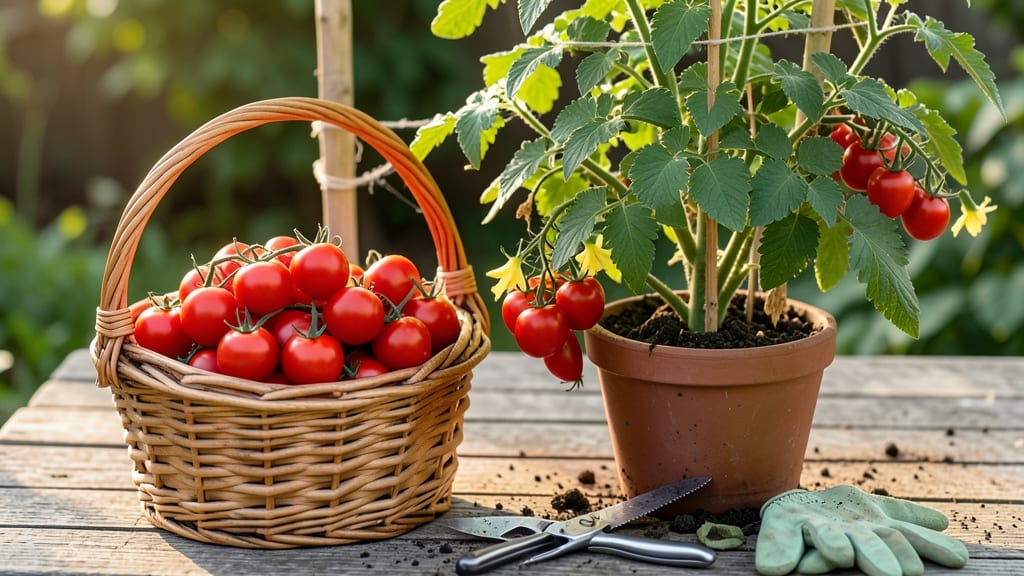
Harvesting cherry tomatoes at the right time turns your garden into a sweet, juicy treasure trove 🍅—and waiting too long means bitter, mealy fruit that’s past its prime.
Picture this: you’ve nurtured your plants all season, and now the moment of truth arrives. One wrong move, and you’ll miss the peak flavor window—or worse, let those tiny red gems turn into shriveled disappointments.
The good news? Knowing the exact signs of ripeness can mean the difference between a handful of underwhelming bites and a bowl overflowing with burst-of-flavor perfection.
Most cherry tomatoes reach their sweetest point between 60 and 80 days after planting, but color, size, and even a gentle squeeze tell the real story.
Determinate varieties (the bush types) ripen all at once, while indeterminate vines (the sprawling ones) produce fruit in waves—so timing matters more than you’d think.
Below, I’ll break down the key visual cues to spot ripe fruit, how to stretch their shelf life, and the 5 mistakes that turn harvest day into a gamble. Let’s make sure every bite is worth the wait.


How to determine the exact cherry tomato harvest time by color and size
Timing your cherry tomato harvest is an art that balances visual cues, physical tests, and understanding your plant's growth habits. Unlike full-sized tomatoes, cherry varieties ripen faster and often produce fruit in waves, making consistent checks essential.
The difference between a perfectly ripe cherry tomato and one that's past its prime can be just a day or two—so knowing exactly when to pick ensures maximum flavor and sweetness.
Most cherry tomatoes reach harvest readiness between 60-80 days after planting, but this varies by variety. Determinate types (like 'Sweet 100') produce fruit all at once, while indeterminate varieties (like 'Sungold') continue bearing throughout the season.
Your first step is learning to recognize the three key ripeness indicators: color, size, and texture. Master these, and you'll never miss a harvest again.
Color is your primary guide—cherry tomatoes transition from green to pale yellow/orange and finally to their mature hue (deep red, yellow, orange, or purple, depending on the variety). However, color alone isn't enough. Some varieties, like 'Sun Gold', stay slightly green-tinged even when ripe, while others, like 'Black Cherry', darken to nearly black. Always pair color with the other two cues.
| Ripeness Stage | Color Cues | Size Threshold | Touch Test | Harvest Time |
|---|---|---|---|---|
| Not Ready | Green or pale | <1 inch | Firm, no give | Wait 3-5 days |
| Breaker Stage | Mottled (color + green) | 1-1.5 inches | Slightly soft | Harvest soon |
| Peak Ripeness | Deep, even color | 1.5-2 inches | Yields slightly | Pick immediately |
| Overripe | Dull or streaked | >2 inches | Mushy, splits | Use or compost |
🌱 Pro Tip: Indeterminate varieties ripen asynchronously—check clusters every 2-3 days.
Size is the second critical factor. Most cherry tomatoes should measure between 1.5-2 inches in diameter at peak ripeness. Smaller fruits (under 1 inch) are often underripe and lack sweetness, while oversized ones (>2 inches) can become mealy or seedy.
Use a ruler or caliper for precision, especially with heirloom varieties that may vary in size. If you're growing 'Tiny Tim' (a mini cherry tomato), aim for 0.75-1 inch instead.
The touch test is where many gardeners go wrong—they assume a firm tomato is ripe, but the opposite is true. At peak ripeness, a cherry tomato should feel slightly soft when gently squeezed between your thumb and forefinger.
It should yield just a little, like a ripe peach, but not feel mushy. If it springs back immediately, it's not ready. If it leaves an indent, it may be overripe. This test works best in the morning when fruits are coolest and firmest.
For indeterminate varieties, which produce fruit continuously, harvest frequency matters just as much as timing. Pick ripe tomatoes every 2-3 days to encourage more production.
If you miss a harvest window, the plant may abort flowers or produce smaller, less flavorful fruits. Determinate types, on the other hand, release all their fruit at once, so plan to harvest daily for 1-2 weeks during their peak.
Use a sharp pair of pruners or your fingers to twist gently—never pull or yank, which can damage the plant.
Environmental factors can throw off your harvest timing. Hot, dry weather speeds up ripening, while cool, cloudy conditions slow it down. If your tomatoes are turning color but not softening
Cherry tomato shelf life secrets: how long they last after harvest (and how to extend it)
Once you've mastered the perfect cherry tomato harvest time, the next challenge is preserving their freshness. These tiny fruits pack big flavor, but their shelf life is surprisingly short if stored improperly.
Understanding how to extend their freshness means fewer wasted tomatoes and more time enjoying their sweet, juicy goodness.
Freshly harvested cherry tomatoes typically last 3-5 days at room temperature if handled correctly, but their flavor peaks within the first 24 hours after picking. The key to extending their life lies in proper storage techniques and knowing when to use them.
Let's dive into the best methods to keep your harvest delicious for as long as possible.
⚠️ callout warning ⚠️
For maximum shelf life, store your cherry tomatoes in the fridge's crisper drawer where humidity levels are highest. The cool temperature slows down the ripening process and preserves flavor for up to 10-14 days. Place them in a single layer on a paper towel-lined container to prevent moisture buildup, which can cause mold. Avoid washing them before storage—excess moisture speeds up spoilage.
If you need to ripen cherry tomatoes faster, place them in a paper bag with a banana or apple for 24-48 hours. The ethylene gas from these fruits accelerates ripening, but monitor closely to avoid over-ripening.
For varieties like Sun Gold or Sweet 100, this method works best when tomatoes are already partially colored but firm to the touch.
Watch for these signs of spoilage to avoid wasting your harvest: soft spots, wrinkled skin, or moldy areas. Discard any tomatoes showing these signs immediately, as they can spread to others.
The stem end is particularly vulnerable—if it becomes mushy, the entire tomato will spoil quickly. Regularly inspect your stored tomatoes and remove any questionable ones promptly.
For long-term preservation beyond fresh eating, consider freezing or drying your cherry tomatoes. Wash and dry them thoroughly, then freeze on a tray before transferring to bags. For drying, slice tomatoes in half and dehydrate at 135°F (57°C) for 6-8 hours.
Both methods lock in flavor, though texture will change. Store preserved tomatoes in airtight containers for up to 6 months.
My best tip? Harvest cherry tomatoes in the early morning when they're coolest and most hydrated. This simple habit gives you a head start on preserving their freshness. With these storage secrets, you'll enjoy your homegrown cherry tomatoes for weeks after harvest—no waste, just pure flavor! 🌱