
How To
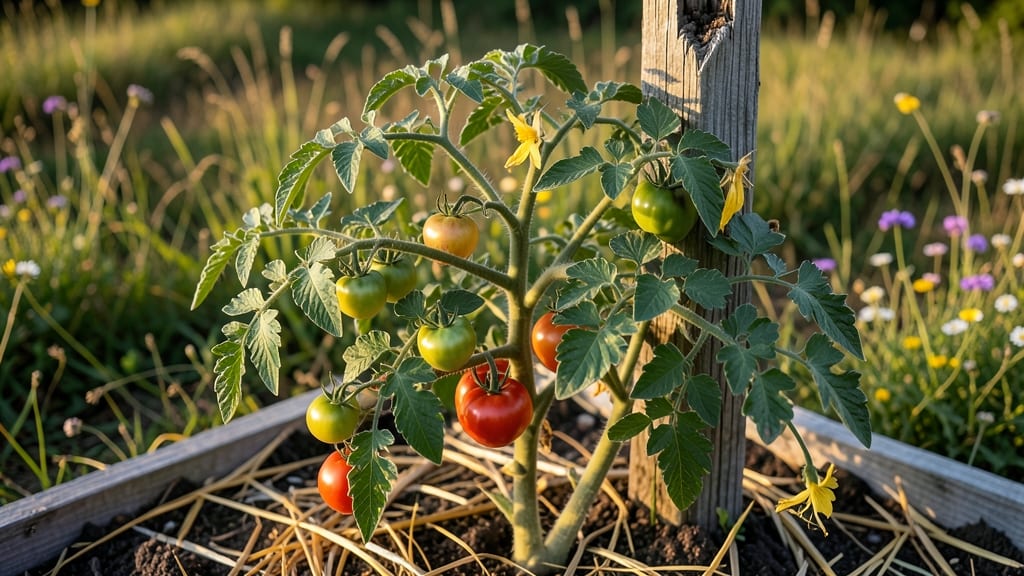
Understanding your tomato's ripening time—from planting to that first juicy bite—can turn a guessing game into a predictable harvest 🍅.
Did you know some varieties ripen in just 50 days while others take nearly twice as long? The difference isn’t just luck—it’s all about heat triggers and variety choices. I’ll break down how to match your climate with the fastest ripeners and how to nudge slower ones along.
Whether you’re in USDA Zone 6a or a warmer region, timing is everything. Plant too late, and you’ll miss the sweet spot between July and September harvests. Get it right, and you’ll enjoy tomatoes all summer long—without the frustration of waiting.
Here’s what you’ll learn: the exact ripening schedules for 12+ popular varieties, how heat (or lack of it) affects speed, and 3 proven tricks to accelerate color change when your tomatoes play the waiting game.
Tomato ripening time by variety: fastest to slowest heat-triggered harvests
Choosing the right tomato variety can make or break your harvest schedule. Some tomatoes mature in as little as 50 days, while others need 90+ days of warm weather to ripen fully.
The key? Matching your local heat triggers with varieties that thrive in your climate. Let’s break down the fastest and slowest ripening tomatoes and how to optimize their growth.
Heat-loving tomatoes need consistent temperatures above 70°F (21°C) to ripen properly. Early varieties like ‘Early Girl’ or ‘Stupice’ are designed to handle cooler starts, while late-season giants like ‘Brandywine’ demand prolonged warmth. Understanding these differences helps you plan your garden layout and succession planting for continuous harvests.
Below is a heat-triggered ripening timeline for 12 popular tomato varieties, ranked from fastest to slowest. Each variety’s days to maturity and ideal heat range are critical for timing your plantings and managing expectations.
| Variety | Type | Days to Maturity | Heat Range (°F) | Best For |
|---|---|---|---|---|
| ‘Stupice’ | Cherry | 50-55 | 60-75 | Early harvests, cool climates |
| ‘Early Girl’ | Slicing | 55-60 | 65-80 | Short seasons, containers |
| ‘Sungold’ | Cherry | 60-65 | 70-85 | Sweet flavor, warm climates |
| ‘Celebrity’ | Slicing | 65-70 | 68-82 | Reliable yield, disease-resistant |
| ‘Sweet 100’ | Cherry | 65-70 | 70-85 | Prolific producer, trailing |
| ‘Better Boy’ | td style="padding: 10px; border-bottom: 1px solid #ddd;">Beefsteak70-75 | 75-90 | Large fruits, indeterminate | |
| ‘Roma’ | Paste | 75-80 | 70-85 | Canning, meaty texture |
| ‘Brandywine’ | Heirloom | 85-90 | 80-95 | Long seasons, flavor |
| ‘Cherokee Purple’ | Heirloom |
How heat triggers accelerate tomato ripening (and how to mimic them)Tomatoes are heat-loving plants that respond dramatically to temperature changes. When daytime temperatures hit 75-85°F (24-29°C), their ripening process speeds up naturally. This isn't just about warmth—it's about ethylene production, the plant hormone that triggers color change and sweetness development. Understanding these triggers lets you shorten ripening time by up to 30% in ideal conditions. The key lies in day-night temperature differentials. Tomatoes ripen fastest when days are warm but nights cool slightly (60-70°F/15-21°C). This daily fluctuation mimics their natural tropical growing conditions. Without this pattern, ripening slows dramatically—even with plenty of sunlight. For gardeners in hot climates, this means strategic shade during peak afternoon heat can actually improve ripening efficiency. 🌱 5 Heat Triggers That Speed Up Tomato Ripening
PRO TIP: Use black plastic mulch to raise soil temps by 5-10°F
To mimic these triggers artificially, start with ethylene exposure. Place a ripe apple or banana near your green tomatoes—they release ethylene gas that kickstarts ripening. For larger batches, use an ethylene generator (available at garden centers) or even a simple setup with a propane heater (20 feet away) for 24 hours. This method can reduce ripening time by 5-7 days for off-vine tomatoes. Another powerful hack involves soil temperature management. Test your soil—it should stay above 65°F (18°C) for optimal ripening. In cooler climates, use row covers during the day and remove them at night to create that perfect temperature swing. For container growers, black pots absorb more heat than traditional ones, giving you a 2-3 week advantage in ripening time. Don't overlook the power of pruning and thinning. Removing suckers (those little shoots in the leaf axils) redirects the plant's energy toward existing fruit rather than new growth. This simple technique can increase ripening speed by 10-15% by reducing the plant's workload. Pair this with balanced fertilization (high in phosphorus) during flowering to support fruit development. For late-season tomatoes struggling to ripen, try the "bagging trick". Place individual tomatoes in paper bags with a ripe apple inside for 3-5 days. The combination of ethylene concentration and trapped warmth creates ideal ripening conditions. Monitor closely—over-ripening can occur quickly in these controlled environments. This method works particularly well for heirloom varieties that need extra time to develop their signature flavors. |