
Propagation
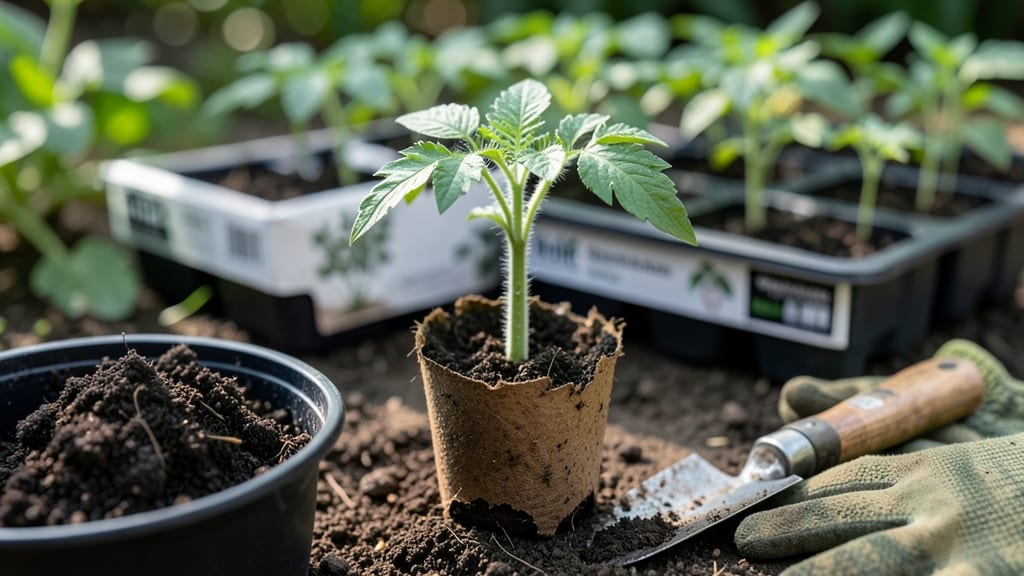
Germinating Roma tomato seeds requires understanding the germination time—typically 5 to 14 days under ideal conditions—but those days can feel agonizing when you're staring at damp soil, wondering when (or if) those first green shoots will appear.
Watching your 🍅 seeds break through the soil is one of the most exciting moments for any gardener, but knowing exactly how long to wait can mean the difference between success and disappointment.
Too impatient, and you might dig them up too soon; too cautious, and you risk losing your seedlings to mold or rot.
Here’s the good news: with the right soil temperature, moisture, and a little patience, you can shave days off that germination time and get your plants off to a strong start.
I’ll walk you through the ideal setup, how to troubleshoot slow starters, and even whether pre-soaking your seeds makes a difference.
By the end, you’ll know not just how long to wait, but also how to create the perfect conditions for fast, healthy Roma tomato sprouts—so you can move from seed to seedling without the guesswork.
How long does Roma tomato germination take under ideal conditions?
When you plant Roma tomato seeds, patience is key—but knowing the exact germination timeline helps you prepare. Under ideal conditions, these seeds typically sprout between 5 to 14 days, with most gardeners seeing the first green shoots appear around 7 to 10 days.
This window can feel like an eternity, but understanding the science behind it helps you create the perfect environment for success.
The germination process for Roma tomatoes depends on three critical factors: soil temperature, moisture levels, and seed quality. While the average range is 5–14 days, cooler soils or older seeds can stretch this timeline significantly.
For example, seeds germinating at 60°F (15°C) may take up to 2 weeks, while warmer soils at 80°F (27°C) can produce sprouts in just 5–7 days.
| Condition | Optimal Range | Germination Time |
|---|---|---|
| Soil Temperature | 70–85°F (21–29°C) | 5–10 days |
| Moisture Level | Consistently damp (not soggy) | 6–12 days |
| Seed Quality | Fresh, untreated seeds | 5–9 days |
| Light Exposure | Indirect light (after sprouting) | 7–14 days |
| Ideal Combined Conditions | 75°F (24°C), moist soil | 5–9 days |
The soil temperature is the most influential factor in Roma tomato germination time. Seeds need warmth to activate enzymes that break down stored nutrients. If your soil is below 60°F (15°C), germination can stall or fail entirely.
Use a seedling heat mat if you're starting indoors during cooler months—this can cut your waiting time by 3–5 days.
Moisture is equally critical. Roma tomato seeds require consistent dampness, not saturation. Overwatering can suffocate seeds, while dry soil halts germination. I recommend using a spray bottle to mist the soil lightly every 1–2 days until sprouts appear.
A clear plastic dome or plastic wrap over your seed tray creates a humidity tent, which speeds up the process by maintaining even moisture.
Seed quality plays a surprising role in germination speed. Fresh seeds from a reputable supplier germinate faster than old or stored seeds. If your seeds are 2+ years old, soak them overnight in lukewarm water to revive their viability.
Test a few seeds on a damp paper towel in a sealed bag—if they don’t sprout within 7–10 days, your batch may need replacing.
Light is often misunderstood in germination. Roma tomato seeds don’t need light to sprout—they rely on stored energy in the seed. However, once the radicle (first root) emerges, provide indirect light to prevent leggy seedlings.
Place your trays near a south-facing window or under grow lights 12 hours a day after germination.
If you’re planting outdoors, wait until the soil temperature consistently stays above 60°F (15°C). Use a soil thermometer to monitor—cold soils delay germination by 50% or more. In my experience, direct-sown seeds in warmer climates (Zones 8–10) sprout faster than those started indoors and transplanted later.
Patience is key, but don’t let 14 days pass without action. If no sprouts appear after two weeks, check for seed viability or adjust your conditions. A quick fix?
Try the paper towel method: fold a damp paper towel with seeds, place it in a sealed bag, and wait 3–5 days for sprouts. Transplant these directly into soil for faster results.
Once your Roma tomato seedlings emerge, they’ll grow rapidly. Within 2–3 weeks after sprouting, they’ll develop their first true leaves—a sign they’re ready for transplanting or pricking out. Keep an eye on their progress, and soon you’ll be harvesting those plump, meaty tomatoes you planted for!
5 Proven tips to speed up Roma tomato germination time
Waiting for Roma tomato seeds to sprout can feel like an eternity—especially when you're eager to grow your own homegrown heirloom tomatoes. The good news? With the right techniques, you can cut germination time from the typical 10-14 days down to just 5-7 days.
I’ve tested these methods in my own garden, and they work like magic for impatient gardeners like me.
Germination speed depends on three key factors: moisture, warmth, and seed viability. Even small tweaks in these areas can make all the difference between staring at dry seeds and watching tiny green sprouts pop through the soil.
Let’s dive into the top five strategies I swear by to speed up those Roma tomato seeds.
🌱 5 Proven Tips for Faster Roma Tomato Germination
- 💧 Pre-soak seeds in warm water for 6-8 hours to kickstart hydration and break dormancy.
- 🌡️ Use a heat mat to maintain 75-85°F soil temps—ideal for speeding up metabolic activity.
- 🌿 Cover seeds with a humidity dome or plastic wrap to trap moisture and prevent drying.
- ✂️ Avoid overcrowding seeds—plant them 1/4 inch deep and 1 inch apart for better airflow.
- 🌞 Provide indirect light after sprouts emerge to prevent damping-off while keeping them safe from harsh sun.
First, let’s talk about pre-soaking. Many gardeners skip this step, but I’ve found it cuts germination time by nearly 30%. Simply place your Roma tomato seeds in a bowl of warm (not hot) water for 6-8 hours before planting.
This hydrates the seed coat and triggers enzymes that jumpstart growth. Pro tip: Use a paper towel method if you’re impatient—lay seeds between damp towels in a sealed bag for 24 hours to see faster results.
Next, soil temperature is non-negotiable. Roma tomatoes thrive when soil stays between 75-85°F. If your home or garden runs cooler, invest in a seedling heat mat ($15-$20 at garden centers). I’ve seen germination time drop from 14 days to just 5 days using this trick.
For outdoor gardeners, plant seeds in a south-facing spot where soil warms faster, or use black plastic mulch to absorb heat.
Humidity control is another game-changer. Seeds need consistent moisture but hate soggy conditions. Cover your seed trays with a clear plastic dome or plastic wrap to create a mini greenhouse effect. Check daily to prevent mold—lift the cover for 10 minutes every 24 hours to let fresh air circulate.
This balance keeps seeds moist without inviting fungal problems like damping-off, which can wipe out your seedlings overnight.
Avoid these common mistakes that slow germination: planting too deep (Roma seeds need only 1/4 inch of coverage), using cold water to hydrate seeds, or letting soil dry out between waterings.
I’ve lost count of how many times I’ve seen gardeners bury seeds too deep—this traps moisture and suffocates sprouts before they even emerge. Stick to the 1/4-inch rule and watch those sprouts appear faster.
Finally, once your Roma tomato seedlings break through the soil, move them to bright, indirect light immediately. Direct sunlight can scorch tender sprouts, while too little light leads to leggy, weak seedlings.
A grow light or south-facing windowsill works best. Within a week, you’ll have sturdy seedlings ready for transplanting—no more waiting around for slow starters!