
Planting
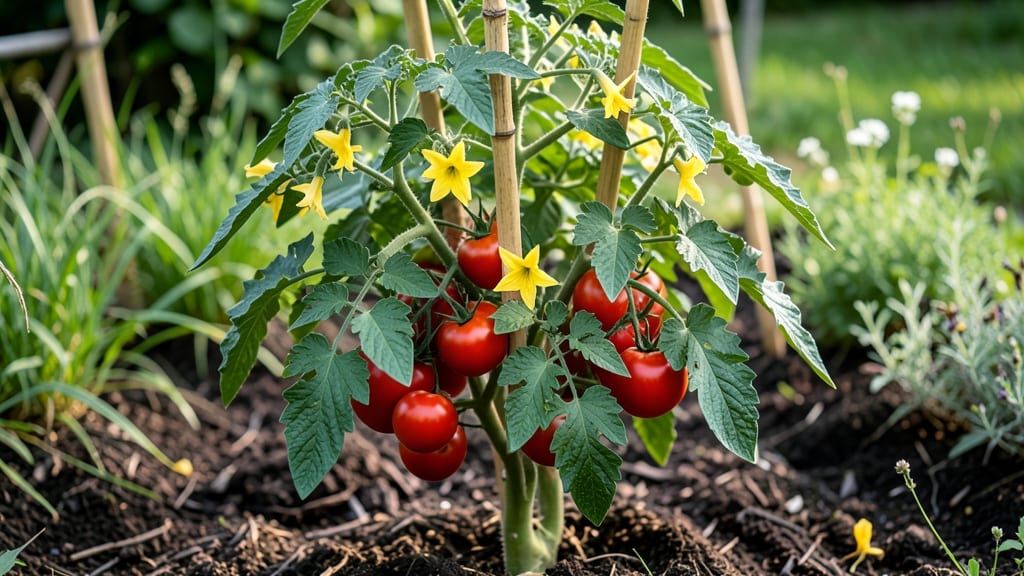
Growing the Celebration tomato plant in containers lets you enjoy sweet, cherry-sized tomatoes on your patio or balcony—no backyard required. 🌱 This dwarf variety thrives in pots, producing abundant fruit even in small spaces, and its compact growth makes it perfect for urban gardeners or those with limited room.
The key to success starts with the right setup: a 5-gallon container (or larger), well-draining soil, and 6-8 hours of sunlight daily.
Unlike larger tomato varieties, Celebration doesn’t need deep roots, so even a sunny windowsill or balcony can work if you supplement with a grow light during shorter days.
The real magic happens when you balance watering—keeping soil consistently moist but never soggy—and feeding with a balanced fertilizer every 2-3 weeks once flowers appear. By midsummer, you’ll be harvesting sweet, 1-inch tomatoes that burst with flavor, perfect for snacking or salads.
The plants stay under 2 feet tall, making them ideal for hanging baskets or stacked planters. Prune regularly to encourage bushier growth and remove suckers (those little shoots in the leaf axils) to direct energy toward fruit production.
This variety is disease-resistant and produces fruit well into fall, often continuing until the first frost. Whether you’re a beginner or an experienced gardener, Celebration tomatoes deliver reliable harvests with minimal fuss—just the right mix of sun, soil, and care. Let’s get those containers planted!
📚 In This Guide
- What you need
- Instructions
- Tips and common mistakes
- Wrapping up and next steps
What you need
- ● Dwarf Celebration Tomato Seeds or Seedlings: 1-2 plants (choose a certified organic or heirloom variety for best results).
- ● Containers: 5-gallon pots or grow bags (at least 12-18 inches deep) with drainage holes—2 containers per plant for optimal growth.
- ● Potting Mix: 1 bag of high-quality, well-draining tomato-specific mix (avoid garden soil—it compacts!).
- ● Fertilizer: Balanced liquid fertilizer (10-10-10 or 5-5-5) for early growth.
- ● Tomato-specific fertilizer (high in phosphorus/potassium) for flowering/fruiting.
- ● Support System: 1-2 bamboo stakes or tomato cages (5-6 feet tall) per plant.
- ● Mulch: Straw or shredded leaves (1-2 inches thick) to retain moisture.
- ● Watering Can or Hose: With a gentle spray nozzle for hydration.
- ● Pruning Shears: For trimming suckers and dead leaves.
- ● pH Test Kit: To ensure soil pH is 6.0–6.8 (tomatoes love slightly acidic soil!).
- ● Epsom Salt: 1 tbsp per plant monthly for magnesium boosts.
- ● Shade Cloth: Lightweight fabric (30-50% coverage) for hot afternoons.
- ● Compost: Homemade or store-bought to enrich soil over time.
- ● Grow Lights (Indoor Growers): LED lights (12-16 hrs/day) if starting seeds early.
How to grow Celebration tomatoes in containers
This compact, flavor-packed variety rewards patience with prolific harvests—here's how to coax the best from it.
🪴 Step 1: Select the Right Container and Drainage
Celebration tomatoes need at least a 5-gallon container per plant to support their vigorous growth while staying dwarf-sized. I opt for fabric grow bags because they prevent root circling and allow excess moisture to evaporate through the walls, which is critical for container tomatoes. Make sure your container has multiple drainage holes—tomatoes hate soggy roots, and poor drainage leads to blossom-end rot.
If using traditional pots, drill extra holes if needed. Place a 2-inch layer of gravel or expanded clay pebbles at the bottom before adding soil. This creates an air pocket that prevents waterlogging while still allowing roots to grow downward. I always test drainage by filling the empty container with water—if it drains completely within 2-3 minutes, your setup is correct.
🌱 Step 2: Prepare Soil and Plant Your Seedling
Fill the container with a lightweight, airy potting mix designed for vegetables—avoid garden soil, which compacts in containers and suffocates roots. I blend 50% premium potting mix with 30% perlite and 20% compost to ensure excellent drainage while retaining moisture. Moisten the mix until it feels like a damp sponge, then add a slow-release fertilizer (like 10-10-10) at the rate of 1 tablespoon per gallon of soil.
Gently remove your Celebration tomato seedling from its nursery pot, being careful not to disturb the root ball. Plant it so the stem sits just below the soil line—any deeper, and it risks rotting; any higher, and roots won’t anchor properly. Press the soil lightly around the base to eliminate air pockets. Water deeply until moisture runs out the drainage holes, then let it drain completely before placing in its final spot.
☀️ Step 3: Position for Maximum Sun and Support
Celebration tomatoes thrive in full sun (6-8 hours daily), but they’ll appreciate afternoon shade in hotter climates (above 90°F) to prevent sunscald. Place your container where it gets morning sun and gentle afternoon shade—a south- or west-facing balcony works perfectly. If you’re growing in partial shade, expect slightly smaller fruit but still excellent flavor.
Install a sturdy tomato cage (4-5 feet tall) or bamboo stake immediately after planting. Celebration tomatoes are dwarf but still produce 4-6 pound plants that need support. Tie the main stem to the cage with soft plant ties as it grows, adjusting the ties every 2-3 weeks to prevent stem damage. This ensures the plant’s energy goes into fruit production rather than flopping over.
💧 Step 4: Water and Feed for Bountiful Harvests
Water your Celebration tomato when the top 1-2 inches of soil feel dry—this usually means every 2-3 days in summer, but adjust based on heat and humidity. I water deeply in the morning, soaking the entire root zone until water runs out the drainage holes. Avoid wetting the leaves, which can spread fungal diseases like early blight. Mulch with 2-3 inches of straw to retain moisture and keep soil temperatures stable.
Feed your plant every 2 weeks with a balanced liquid fertilizer (like 20-20-20) diluted to half strength. Once flowers appear, switch to a low-nitrogen, high-phosphorus fertilizer (like 5-10-10) to encourage fruiting. I also sprinkle Epsom salt (1 tablespoon per gallon of water) monthly to boost magnesium, which prevents blossom-end rot—a common issue in container tomatoes.
✂️ Step 5: Prune and Harvest for Continuous Production
Pinch off the first few flowers that appear to encourage stronger root and stem growth. Once the plant is established (after 4-6 weeks), let it flower freely. Prune suckers (the small shoots that grow in the leaf axils) regularly to direct energy to fruit production. Celebration tomatoes benefit from light pruning—remove only the largest suckers to keep the plant manageable.
Harvest fruit when it’s fully colored but still slightly firm—this ensures peak flavor and prevents overripe tomatoes from splitting. Pick every 2-3 days in peak season to encourage more blooms. Store harvested tomatoes at room temperature (not in the fridge) to preserve their sweetness. With proper care, your Celebration tomato will produce pounds of fruit over 2-3 months, making it one of the most rewarding container varieties.
Tips & tricks for thriving container-grown Celebration tomatoes
Growing these compact powerhouses in containers takes strategy—here's how to maximize every inch of space and avoid common pitfalls.
Container Size Matters: While the instructions call for at least a 5-gallon container, I've found that 7-gallon fabric grow bags give Celebration tomatoes more room to develop their root systems without becoming top-heavy. The extra space helps prevent root binding, which can stunt growth and reduce fruit production. If you're limited to smaller containers, consider growing just one plant per pot rather than trying to squeeze multiple plants together.
Soil Mix Secrets: The 50-30-20 blend of premium potting mix, perlite, and compost is perfect, but I always add a handful of worm castings to the mix for extra microbial activity. These microscopic helpers improve nutrient uptake and help prevent soil-borne diseases. For the 1 tablespoon per gallon of slow-release fertilizer, I prefer osmocote because it releases nutrients gradually over 6 months, matching the plant's growth cycle.
Sunlight Strategy: The 6-8 hours of daily sun is non-negotiable, but I've learned that positioning matters just as much as duration. Place your container where it gets morning sun (when temperatures are cooler) and afternoon shade (when temperatures exceed 90°F). You can also rotate the pot every few days to ensure even sun exposure all around the plant. This prevents one-sided growth and maximizes fruit production.
Support System: While the instructions mention sturdy cages or stakes, I've found that tomato towers work even better for container growing. These vertical supports give the plant more growing space while keeping the foliage off the ground, which reduces disease risk. Make sure to tie the main stem every 2-3 weeks as instructed, but also check for new suckers weekly—removing them early prevents overcrowding and directs energy to fruit production.
Pro Tips for Celebration Tomato Plant
- Growing these compact powerhouses in containers takes strategy—here's how to maximize every inch of space and avoid common pitfalls.
- The extra space helps prevent root binding, which can stunt growth and reduce fruit production.
- Soil Mix Secrets: The 50-30-20 blend of premium potting mix, perlite, and compost is perfect, but I always add a handful of worm castings to the mix for extra microbial activity.
Frequently asked questions
Got questions about growing your own Celebration tomato plant? You’re not alone! Here are some of the most common queries—plus quick, practical answers to help you thrive in your container garden.
What’s the best container size for a Celebration tomato?
A 5-gallon container is the sweet spot for this dwarf variety—it gives roots room to stretch while keeping the plant manageable. If you’re using a larger pot (like 7+ gallons), add extra potting mix to mimic depth. Pro tip: Drill drainage holes if your container doesn’t have them!
How long does it take for Celebration tomatoes to produce fruit?
Expect the first tomatoes in 60–70 days from transplanting, assuming warm soil (60°F+) and consistent care. Dwarf varieties like Celebration are faster than heirlooms but still need patience—think of it as a slow-burn celebration! Bonus: Prune suckers early to boost fruit production.
Why are my Celebration tomato leaves turning yellow?
Yellow leaves usually mean overwatering (soggy roots = trouble) or nutrient deficiency (feed with balanced fertilizer every 2–3 weeks). Check the soil—it should feel like a damp sponge, not a swamp. Troubleshoot: Reduce watering and add compost to revive your plant.
Can I grow Celebration tomatoes indoors?
Yes, but with big caveats! You’ll need a sunny south-facing window (or grow lights for 6+ hours/day) and a warm spot (70°F+). Containers dry out faster indoors—water daily and monitor humidity. Alternative: Start seeds indoors in early spring, then transplant outside after frost.
Are Celebration tomatoes good for sauces or slicing?
This dual-purpose variety is perfect for both! Its meaty, flavorful fruit (2–3 oz each) holds up well in sauces, salsas, or fresh slices. Harvest tip: Pick when fully red for the best taste—don’t wait too long, or they’ll turn mealy.
Wrapping up and next steps
Growing a Celebration tomato plant in containers isn’t just rewarding—it’s a delicious way to bring fresh, homegrown flavor to your table! 🌱 With the right dwarf variety, minimal space, and a little care, you’ll enjoy juicy, vine-ripened tomatoes all season long.
Whether you’re a beginner or a seasoned gardener, this project is a fun and tasty adventure.
Now that you’re equipped with all the tips and tricks, roll up your sleeves and get planting! Start small, experiment with flavors, and soon you’ll be harvesting tomatoes that taste like summer in every bite. Happy growing! 🍅✨