
Vegetables
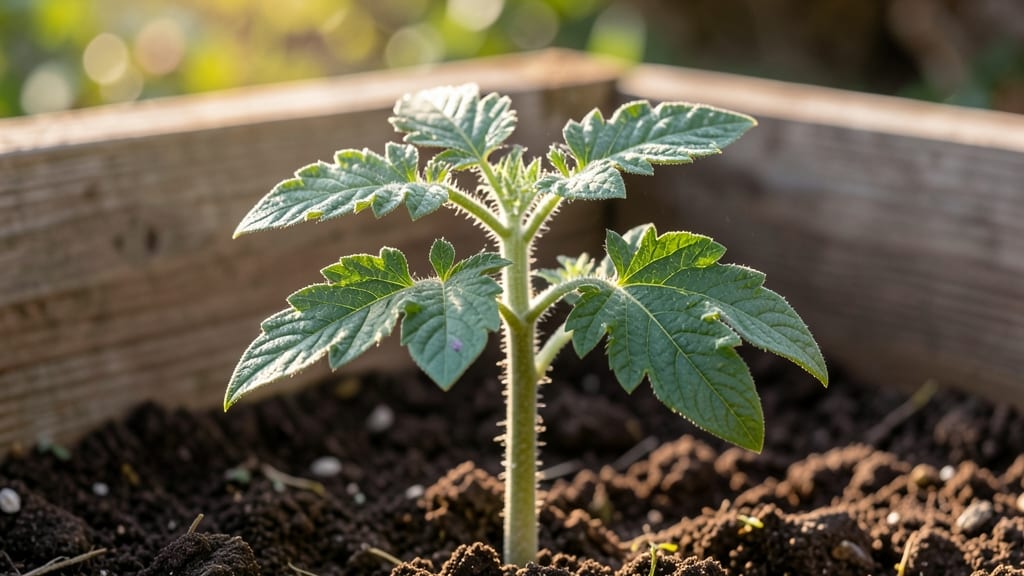
Your tomato seedlings turning purple isn't always a disaster—it could mean you're growing a blight-resistant variety like 'Purple Calabash' or simply need a quick fix. 🌱 I've seen this happen with both heirloom and hybrid seedlings, and knowing the difference saves hours of worry (and wasted plants).
The key is spotting whether it's a genetic quirk, a nutrient issue, or stress from cold drafts.
Most purple stems or leaves show up when seedlings lack phosphorus or struggle in cool weather, but some varieties—like 'Black Krim' or 'Purple Cherokee'—naturally develop deep hues. Check the seed packet first: if it's a purple-fruited tomato, the color is normal and even desirable.
For others, warm soil and a balanced fertilizer (high in P) usually turns things green again within a week.
The real game-changer? Discarding only the seedlings that look weak or leggy—healthy purple stems can still produce robust plants. I've grown thriving vines from seedlings that started with faint violet tinges, as long as they had strong roots and weren't wilting.
Just avoid over-fertilizing (too much nitrogen turns purple into yellow), and keep them out of drafts.
Whether you're troubleshooting a batch of 'Sungold' seedlings or embracing the drama of purple tomatoes, this is how to tell which plants to keep—and which to compost. Let's get those seedlings back on track (or celebrate their unique color).
Understanding Purple Tomato Seedlings
When your tomato seedlings start showing unexpected purple hues—especially on the undersides of leaves or stems—it’s often a sign that something is off, but not always a cause for alarm. Purple pigmentation in young tomato plants is usually a natural stress response, triggered by environmental or physiological factors.
Let’s break down the most common causes, why they happen, and how to address them before they impact your harvest.
Tomatoes are heavy feeders, and when they lack key nutrients, their bodies produce anthocyanins—the same pigments that give blueberries and eggplants their deep colors—as a survival mechanism. Purple leaves or stems often signal deficiencies in:
- Phosphorus (P): Critical for root and flower development. Purple or reddish hues on leaf undersides or stems are classic signs of phosphorus starvation. Why it happens: Poor soil fertility, over-reliance on nitrogen-heavy fertilizers, or compacted soil that locks nutrients away.
- Potassium (K): Essential for disease resistance and water regulation. Marginal leaf scorching with purple edges suggests a potassium deficit. Why it happens: Leaching in sandy soils, overwatering (which flushes potassium out), or imbalanced fertilizers.
- Nitrogen (N): While excess nitrogen can mask deficiencies, severe nitrogen deficiency (yellowing leaves paired with purple stems) means your seedlings can’t produce enough chlorophyll. Why it happens: Depleted soil after multiple harvests or improper compost application.
Actionable fix: Conduct a soil test to identify specific deficiencies. Amend soil with:
- Bone meal (for phosphorus)
- Wood ash or greensand (for potassium)
- Well-rotted manure or fish emulsion (for nitrogen)
Pro tip: 💡 Top-dress seedlings with a balanced fertilizer (like 10-10-10) and water deeply to help roots access nutrients.
Tomato seedlings are sensitive to temperature extremes, and purple pigmentation often appears as a protective response to:
- Cold stress: Temperatures below 50°F (10°C) can stunt growth and trigger anthocyanin production. Why it happens: Seedlings germinated too early, exposed to nighttime chills, or planted in unheated soil.
- Heat stress: While less common, prolonged exposure to above 90°F (32°C) can cause purple leaves as the plant conserves energy. Why it happens: Lack of shade in hot climates or poor airflow around seedlings.
Actionable fix:
- Use row covers or shade cloth (30-50%) to moderate temperatures.
- Hardening off seedlings gradually if moving them outdoors.
- Ensure consistent soil moisture—dry or waterlogged soil exacerbates temperature sensitivity.
Pro tip: 🌡️ Monitor soil temperature with a probe; ideal germination/seedling range is 70-85°F (21-29°C).
Tomatoes thrive in 6-8 hours of direct sunlight daily, but deviations can cause purple discoloration:
- Insufficient light: Stretched, weak seedlings with purple stems or undersides indicate etiolation (a stretch response to low light). Why it happens: Overcrowded seedlings, indoor growing without grow lights, or late spring planting in shaded areas.
- Excessive light (rare but possible): In high-altitude or desert climates, intense UV exposure can stress seedlings, leading to purple hues. Why it happens: Lack of acclimation or reflective surfaces increasing light intensity.
Actionable fix:
- Thin seedlings to 18-24 inches apart for optimal light access.
- Supplement with LED grow lights (12-16 hours/day) if indoors.
- Use light-colored mulch to reflect sunlight and reduce soil temperature.
Pro tip: ✨ Rotate seedlings weekly if indoors to ensure even light exposure.
Water stress—whether from drought or overwatering—triggers anthocyanin production as the plant’s way of saying, “Help!” Here’s how it plays out:
- Underwatering: Purple leaves or stems signal wilting at the cellular level before visible drooping. Why it happens: Infrequent watering, shallow root systems, or soil that repels water (e.g., compacted clay).
- Overwatering: While less likely to cause purple, root rot or anaerobic soil can starve seedlings of oxygen, leading to stress responses. Why it happens: Poor drainage, containers without drainage holes, or inconsistent watering schedules.
Actionable fix:
- Water deeply 1-2 times per week (check soil moisture 1 inch below the surface).
- Use drip irrigation or soaker hoses to deliver water directly to roots.
- Amend heavy clay soil with compost or perlite to improve drainage.
Pro tip: 🎯 Mulch with straw to retain moisture and regulate soil temperature.
Note: If purple pigmentation persists after addressing these factors, it may indicate a genetic trait (some heirloom varieties naturally develop purple hues) or disease (like early blight). Isolate affected plants and inspect for spots or wilting.
Fixing Purple Stems in Seedlings
If your tomato seedlings are showing purple hues—whether in stems, leaves, or between veins—don’t panic! This issue is often fixable with simple adjustments to care, soil, or environment. Below, we break down the most common causes and practical, step-by-step solutions to restore healthy green growth.
We’ll also share prevention tips to keep your seedlings thriving from the start.
Purple stems or leaves often signal a phosphorus or nitrogen deficiency, especially in young seedlings. These nutrients are critical for energy transfer and chlorophyll production.
How to Fix It:
- 🍳 Test Your Soil Use a soil test kit (available at garden centers) to confirm deficiencies. If phosphorus (P) or nitrogen (N) levels are low, it’s time to amend the soil.
- 👨🍳 Apply the Right Fertilizer - For Phosphorus Deficiency: Use a balanced fertilizer (like 10-10-10) or a phosphorus-rich option (5-10-10).
Bone meal is also a natural choice. - For Nitrogen Deficiency: Switch to a high-nitrogen fertilizer (e.g., 20-5-5) or add compost, worm castings, or fresh manure (well-aged). - For Seedlings: Dilute liquid fertilizer to half-strength to avoid burning tender roots.
- 🥘 Foliar Feed for Quick Results Mix 1 tsp of Epsom salt (magnesium sulfate) or a liquid seaweed extract into a gallon of water and spray lightly on leaves. This provides an instant magnesium boost, which aids chlorophyll production.
💡 Prevention Tips:
- Pre-mix soil with compost or a slow-release fertilizer before planting.
- Avoid over-fertilizing—too much salt can worsen deficiencies.
- Rotate crops to prevent nutrient depletion in the same soil.
Tomato seedlings thrive in warm soil (70–85°F). Purple stems or leaves can appear if nights are too cool (<50°F) or days are inconsistent.
How to Fix It:
- 🔥 Use Row Covers or Cloche If temperatures dip below 55°F at night, cover seedlings with frost cloth or a mini greenhouse dome to trap heat.
- 🏡 Move Seedlings Indoors (If Needed) If you’re starting seeds early, keep them in a warm, sunny window or under grow lights until soil temperatures rise.
- 🌱 Harden Off Gradually If seedlings were indoor-started, acclimate them to outdoor temps over 7–10 days before transplanting.
💡 Prevention Tips:
- Use black plastic mulch to warm soil faster in spring.
- Plant after the last frost date in your zone.
- Choose cold-tolerant varieties (like ‘Stupice’ or ‘Mountain Merit’) if early planting is a must.
Waterlogged soil cuts off oxygen to roots, leading to purple discoloration as seedlings struggle to absorb nutrients.
How to Fix It:
- ⏰ Adjust Your Watering Schedule
- Check soil moisture by sticking your finger 1 inch deep—water only if it’s dry.
- Water deeply but less frequently to encourage strong root growth.
- 🔪 Improve Drainage
- Repot seedlings in well-draining soil mix (50% potting soil + 50% perlite or vermiculite).
- Add sand or coconut coir to heavy clay soils.
- Ensure pots have drainage holes—no exceptions!
- 🌱 Transplant if Necessary If seedlings are in compacted or waterlogged soil, gently loosen roots and replant in fresh, airy medium.
💡 Prevention Tips:
- Use raised beds for better drainage in wet climates.
- Avoid soggy bottoms—elevate pots on saucers with pebbles.
- Mulch around seedlings to regulate moisture (but keep it 2–3 inches away from stems).
While rare, purple patches (not just stems) can indicate early blight, fusarium wilt, or bacterial spot.
How to Fix It:
- 🔍 Identify the Problem
- Fungal (Blight): Purple-brown spots with yellow halos on leaves.
- Bacterial: Water-soaked lesions that turn purple-black.
- 🧴 Apply Organic Fungicides
- Copper spray (for bacterial issues).
- Neem oil or baking soda spray (1 tbsp baking soda + 1 quart water + a drop of dish soap) for fungal prevention.
- 🌿 Remove Affected Plants If a seedling is severely infected, pull it and sterilize tools with rubbing alcohol to prevent spread.
💡 Prevention Tips:
- Space seedlings properly (12–18 inches apart) for airflow.
- Water at the base (avoid overhead spraying).
- Rotate crops yearly to prevent soil-borne diseases.
If you’re short on time, try these fast remedies:
- 🌿 Boost chlorophyll with a kelp or fish emulsion spray.
- 🌡️ Warm the soil with a heat mat (for indoor starts).
- 💧 Flush soil with water to remove excess salts if over-fertilized.
With these solutions, your tomato seedlings should green up within 1–2 weeks. Keep an eye on their progress, and soon you’ll be enjoying vibrant, blight-resistant plants ready for a bountiful harvest! 🍅🌱
Frequently asked questions
Are purple tomato seedlings always a problem?
Not necessarily! Some heirloom varieties like 'Purple Calabash' or 'Black Krim' naturally develop purple hues in stems and leaves—this is normal and even desirable. Check your seed packet first. If it's not a purple-fruited variety, the color could signal nutrient deficiencies or stress.
How quickly can I fix phosphorus deficiency in seedlings?
With the right treatment, you should see improvement in 5-7 days. Start by applying bone meal or a phosphorus-rich fertilizer (like 5-10-10) and water deeply. For faster results, mix 1 tsp Epsom salt in a gallon of water and spray on leaves. Purple stems should fade as roots access more phosphorus.
Can cold weather cause purple tomato seedlings?
Yes! Temperatures below 50°F (10°C) trigger purple pigmentation as a protective response. Use row covers or move seedlings to a warmer location until soil temperatures rise above 55°F (13°C). Harden off seedlings gradually if transitioning from indoor starts to prevent shock.
What's the difference between purple from deficiency and disease?
Deficiency-related purple appears on stems and leaf undersides, while disease (like early blight) shows as purple-brown spots with yellow halos on leaf surfaces. Check for wilting or spots—if you see these, isolate affected plants and treat with neem oil or copper spray immediately.
Should I keep seedlings with purple stems even if they look healthy?
Yes, if the seedlings are sturdy with strong roots and no wilting. Purple stems alone don't mean the plant is doomed—many growers have produced thriving vines from seedlings that started purple. Just monitor them closely and address any underlying issues (like nutrient imbalances) to prevent future problems.