
Plants
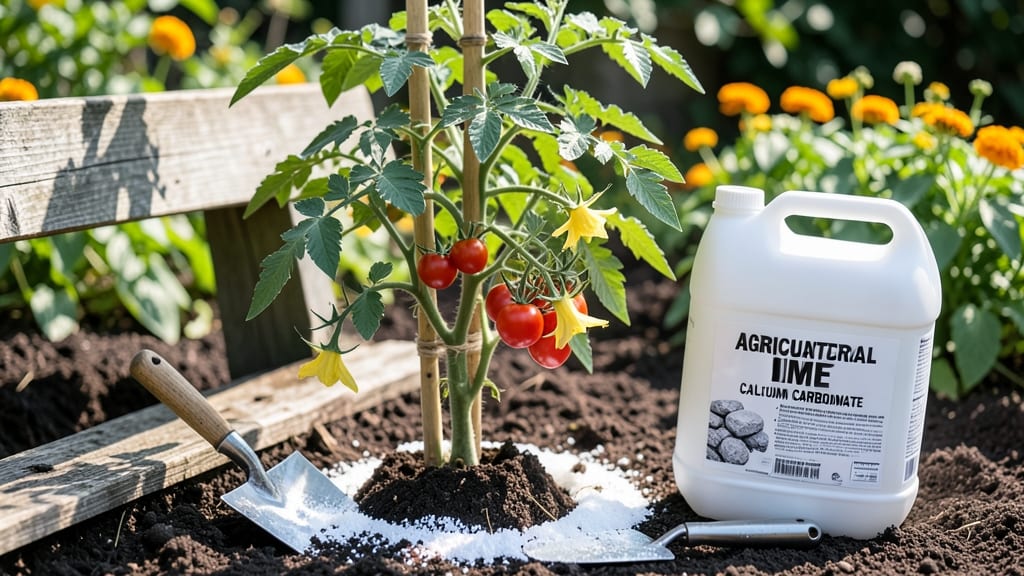
Using calcium carbonate for tomato plants prevents blossom end rot and balances soil acidity by providing essential calcium while gently adjusting pH levels, but it must be applied sparingly to prevent soil alkalinity issues. Mix 1–2 tablespoons per plant into soil or dilute for foliar sprays.
Calcium carbonate works wonders for tomato plants by addressing two common issues at once: calcium deficiency and soil acidity. 🌱 The mineral dissolves slowly in soil, releasing calcium ions that strengthen cell walls—preventing that ugly brown rot at the blossom end of tomatoes.
At the same time, it gently raises pH levels, creating the ideal 6.0–6.8 range where tomatoes thrive. I've seen dramatic improvements in just a few weeks when applied correctly, especially in heavy clay soils where calcium tends to bind tightly and become unavailable to plants.
What sets calcium carbonate apart is its dual action—it doesn't just add calcium like other amendments might. The pH adjustment helps unlock existing nutrients in the soil, making them more accessible to your tomato plants.
For best results, I recommend working it into the top 2–3 inches of soil during planting or mixing it with compost before applying. This gradual release method prevents sudden pH spikes that could stress your plants.
💡 In This Article
- How Calcium Carbonate Prevents Blossom End Rot in Tomatoes
- Step-by-Step Guide to Applying Calcium Carbonate for Tomatoes
How calcium carbonate prevents blossom end rot in tomatoes
Blossom end rot occurs when tomato plants can't absorb enough calcium to strengthen their cell walls, causing the fruit's blossom end to collapse into a dark, mushy spot.
Calcium carbonate (CaCO₃) works by slowly dissolving in soil moisture to release calcium ions (Ca²⁺), which are then taken up by plant roots.
The key is that calcium moves through the plant via water flow—when soil conditions are too acidic (pH 5.5 or lower), this process breaks down, leaving the plant starved for calcium despite sufficient amounts in the soil. 🔥
This mineral also acts as a pH buffer, gradually raising soil acidity toward the ideal 6.0–6.8 range for tomato growth. At these levels, calcium becomes more bioavailable because the soil chemistry shifts to favor calcium uptake over competing nutrients like magnesium.
For example, in heavily amended garden soils that might test at pH 5.0, adding calcium carbonate can raise the pH by 0.5–1.0 points over 4–6 weeks—just enough to unlock calcium reserves while avoiding sudden pH swings that stress plants.
The effectiveness depends on soil texture and organic matter content. Sandy soils release calcium faster (risking overcorrection), while clay soils require more gradual application. Adding 1–2 tablespoons per plant mixed into the top 2–3 inches of soil at planting provides a steady calcium supply throughout the growing season.
Organic matter like compost further enhances this process by improving soil structure and microbial activity, which helps break down calcium carbonate more efficiently. 💫
What most gardeners overlook is that calcium carbonate's pH adjustment creates a feedback loop: as soil pH rises toward neutrality, beneficial microbes proliferate, creating a more fertile environment where calcium uptake improves.
This dual mechanism explains why tomato plants show both stronger stems (from calcium) and healthier foliage (from balanced pH) after treatment. The visual difference is striking—rot-free fruit with vibrant green leaves, compared to stunted growth and blackened blossom ends in untreated plants.
For foliar applications, a diluted solution (1 tablespoon per gallon of water) can provide quick calcium delivery, especially during hot weather when uptake through roots slows.
However, this method works best as a supplement to soil application, since leaves can only absorb calcium through tiny openings called stomata—not as efficiently as roots. The golden rule is consistency: regular light applications prevent calcium deficiencies better than occasional heavy doses. ✨
One common mistake is assuming more calcium carbonate means better results. Overapplication can create a hardpan layer in the soil, where undissolved particles form a crust that roots can't penetrate. This is why gradual, monitored application is crucial—test soil pH every 4–6 weeks and adjust accordingly.
The goal is to maintain that 6.0–6.8 range, not to create alkaline conditions that would stress your tomatoes.