
Companion Plants
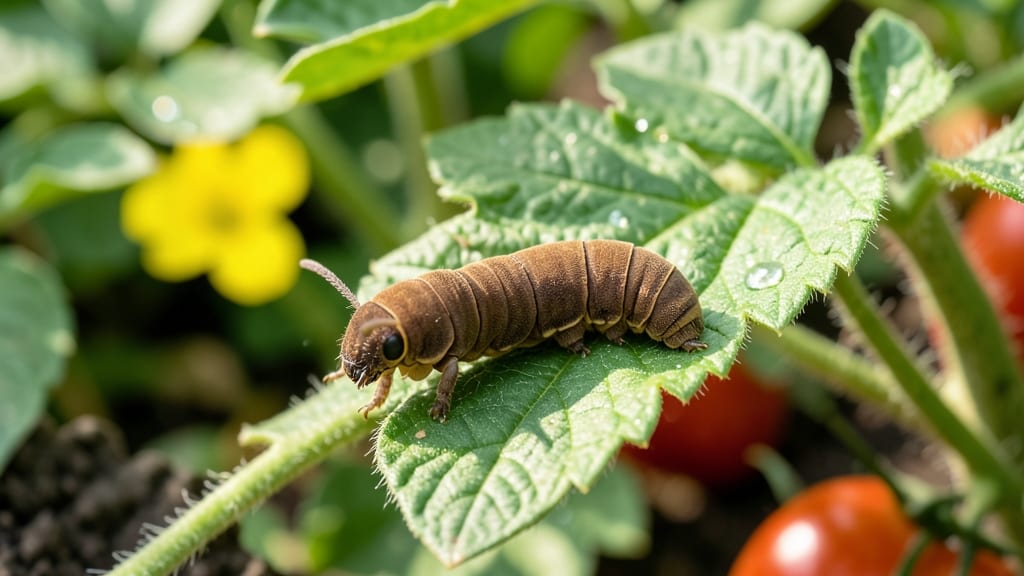
That brown caterpillar munching your tomato leaves isn’t just a nuisance—it’s a silent harvest thief. 🌱 I’ve watched entire plants defoliate overnight, only to discover these striped invaders hiding in plain sight.
The good news? You don’t need harsh chemicals to stop them. With the right organic tools, you can protect your plants and keep your garden thriving—without harming pollinators or future fruit.
The culprit is usually a hornworm or tomato fruitworm, both of which blend into foliage like camouflaged bandits. Look for skeletonized leaves, chewed stems, and tiny black droppings as dead giveaways. The key to stopping them?
Act fast—handpicking at dawn or dusk, introducing beneficial nematodes, or spraying neem oil before they reach the fruit. My plants bounce back in days when I catch them early.
You’ll end up with a tomato plant that looks as good as it tastes—no more ragged leaves or stunted growth. The secret is combining physical removal with preventive sprays, so the caterpillars never get a foothold.
Plus, your garden becomes a safer ecosystem for bees and butterflies, not just a battleground.
This works for backyard gardens, containers, or even balcony setups—no matter your space. Let’s get those tomatoes back on track without sacrificing your garden’s health.
Root Causes of Caterpillar Infestations
Discovering a brown caterpillar munching away on your tomato plant can feel like a betrayal—especially when you’ve nurtured those vines with care. But why do these pests suddenly show up? The answer lies in a mix of environmental cues, plant health, and natural insect behavior.
Understanding these triggers helps you act before the damage becomes severe. Let’s break down the key reasons these caterpillars invade your garden.
Healthy plants are resilient, but when tomato plants are stressed, they emit chemical signals that attract hungry caterpillars. Here’s why this happens:
- Nutrient Deficiencies: Plants low in nitrogen or potassium struggle to produce strong foliage, making them easier targets. Caterpillars, like the hornworm (a common brown/black caterpillar), detect these weaknesses and lay eggs nearby.
- Overwatering or Drought: Both extremes weaken plant defenses. Root maggots (larvae of flies) thrive in soggy soil, while drought-stressed plants can’t support robust growth, leaving them vulnerable to chewing pests.
- Physical Damage: Pruning too aggressively or hail storms create entry points for pests. Caterpillars exploit these openings to feed and hide.
Actionable Fix: Maintain consistent moisture (1–1.5 inches per week) and fertilize with balanced organic fertilizer (e.g., fish emulsion or compost tea) to bolster plant vigor.
Most tomato-munching caterpillars (e.g., tomato hornworms, loopers, or armyworms) aren’t random invaders—they’re following a precise timeline tied to temperature and host plant availability. Here’s how it works:
| Stage | Trigger | Result |
|---|---|---|
| Egg Laying | Adult moths seek tomato plants in late spring to early summer (when nights are warm, ~70°F+). | Eggs hatch in 3–7 days into ravenous caterpillars. |
| Feeding Peak | Caterpillars thrive in warm, humid conditions (ideal for tomato growth too!). | They skeletonize leaves within 24–48 hours if left unchecked. |
| Pupation | Cooler temps (<60°F) or drought stress signal caterpillars to bury and pupate. | Adult moths emerge in 2–3 weeks, restarting the cycle. |
Actionable Fix: Monitor your plants weekly in late spring—look under leaves for tiny green eggs (hornworm eggs) or silken webbing (armyworm signs). Early detection = fewer caterpillars!
While companion plants like basil, marigolds, or nasturtiums can repel pests, poor placement or missing the right pairings might attract caterpillars instead. Here’s how:
- Attracting Beneficial Insects’ Predators: Some companion plants (e.g., dill or fennel) lure parasitic wasps, which also target caterpillars—but if the wasps are outnumbered, caterpillars win.
- Creating Shelter: Dense foliage (like cabbage near tomatoes) can shield caterpillars from natural enemies like birds or lacewings.
- Missing the Right Pairings: Basil deters some pests, but if planted too late, moths may have already laid eggs on your tomatoes.
Actionable Fix:
- ✅ Plant basil early (transplant seedlings at the same time as tomatoes).
- ✅ Use traps like tanglefoot around companion plants to catch adult moths.
- ❌ Avoid planting cabbage family crops adjacent to tomatoes—they share pests!
Caterpillars are opportunistic, and their populations explode when weather patterns align with tomato growth. Key factors:
- Mild Winters: Fewer freezes mean more surviving adult moths to lay eggs the next season.
- Warm, Wet Springs: Ideal for egg hatching and caterpillar survival (they need moisture to avoid desiccation).
- Long Growing Seasons: Tomatoes stay lush longer, giving caterpillars a extended buffet.
Actionable Fix:
- 🌡️ Use row covers in early spring to block moths from laying eggs.
- 💧 Reduce overhead watering at dusk (keeps foliage dry, deterring egg-laying moths).
- 📅 Stagger plantings so not all tomatoes mature at once—caterpillars can’t feast on everything.
Sometimes, our own habits accidentally create caterpillar paradises. Common culprits:
- Over-Fertilizing with Nitrogen: Lush, soft leaves are a caterpillar’s dream. Too much nitrogen = more food = more pests.
- Ignoring Garden Debris: Old plant matter or fallen leaves harbor pupating caterpillars or egg masses over winter.
- Using Broad-Spectrum Pesticides: These kill natural predators (like ladybugs or parasitic wasps) first, leaving caterpillars unchecked.
Actionable Fix:
- 🌿 Clean up garden waste in fall (compost or remove it from the site).
- 🍃 Use targeted sprays (e.g., Bt or neem oil) instead of chemical pesticides.
- 📉 Balance fertilizer with potassium-rich amendments (e.g., wood ash or banana peels) to toughen leaves.
Quick Fixes for Garden Pests
Spotting a brown caterpillar munching on your tomato plant can feel like a nightmare—especially when you’re eager to harvest juicy, ripe fruit. But don’t panic! With the right approach, you can eliminate these pests without resorting to harsh chemicals.
Below, we’ve mapped out targeted solutions based on the most common causes of caterpillar infestations, plus prevention tips to keep your garden thriving. Let’s get started!
If you’ve got a small infestation, manual removal is your best friend. Caterpillars are slow movers, making them easy to spot and pluck off leaves or stems.
- 👨🍳 When to do it: Early morning or late evening when caterpillars are sluggish.
- 🔪 How to do it:
- Wear gloves (some caterpillars have irritating hairs).
- Gently grasp the caterpillar by the body (avoid the head—it can release a foul taste!).
- Drop it into a bucket of soapy water to dissolve its body.
- ⏰ Frequency: Check plants daily for 3–5 days to ensure no survivors.
Pro tip: 💡 If you’re squeamish, use tongs or a small net to scoop them up!
For larger infestations or when hand-picking isn’t enough, natural sprays are a game-changer. These disrupt caterpillars’ feeding habits without harming your tomatoes.
🌿 Homemade Spray Recipes
| Solution | How to Make It | How to Apply |
|---|---|---|
| Neem Oil Spray |
|
|
| Garlic & Chili Pepper Spray |
|
|
| Bacillus Thuringiensis (Bt) |
|
|
Pro tip: 🌡️ Always test sprays on a small leaf first to avoid burning plants!
Prevent future infestations by strategically planting companions that repel caterpillars naturally. These plants confuse pests, mask your tomatoes’ scent, or even attract their predators.
- 🌱 Best companions for tomatoes:
- Basil – Masks tomato scent and deters pests.
- Marigolds – Release a scent caterpillars dislike.
- Nasturtiums – Trap aphids (a caterpillar food source).
- Garlic & Onions – Their strong aroma repels moths (caterpillar parents).
- 🎯 Planting tips:
- Interplant companions around tomato plants, not just at the edges.
- Rotate crops yearly to disrupt pest life cycles.
Pro tip: ✨ Add a few dill or fennel plants to attract parasitic wasps, which lay eggs in caterpillars—nature’s pest control!
For hornworms or cutworms (common brown caterpillars), physical barriers can be a lifesaver. These methods block access without chemicals.
- 🛡️ Collars for seedlings:
- Cut a 2-inch ring from a plastic bottle or aluminum foil.
- Place around the base of young tomato plants to stop cutworms from chewing stems.
- 🌿 Row covers:
- Use lightweight fabric to cover tomato plants at night.
- Secure edges with soil or bricks to prevent moths from laying eggs.
- 🕳️ Traps for moths:
- Hang a pheromone trap (for tomato hornworm moths) near your garden.
- Replace lures every 2–4 weeks for maximum effectiveness.
Pro tip: 💡 Remove traps after the moth season (usually late summer) to avoid attracting pests!
The best defense is a proactive garden. Here’s how to keep caterpillars from crashing your tomato party:
- 🌱 Rotate crops: Avoid planting tomatoes in the same spot yearly.
- 🌿 Remove debris: Clear fallen leaves and plant waste where eggs may hide.
- 🕯️ Encourage predators:
- Attract ladybugs, lacewings, and birds with diverse plantings.
- Avoid pesticides that kill beneficial insects.
- 🌙 Monitor at dusk: Caterpillars are most active when it’s cooler.
- 🍅 Harvest regularly: Picking ripe tomatoes reduces stress on plants, making them less vulnerable.
Pro tip: 🎯 Plant tall sunflowers nearby—they attract predatory wasps that hunt caterpillars!
Frequently asked questions
What does a brown caterpillar on my tomato plant look like?
Most brown caterpillars on tomato plants are either hornworms (with white diagonal stripes and a "horn" at the rear) or tomato fruitworms (smaller, greenish-brown with black spots). Look for skeletonized leaves (just veins remain) and black droppings on foliage. They hide on the undersides of leaves during the day.
Are these caterpillars harmful to my tomato fruit?
Yes, if left unchecked! While they prefer leaves, larger caterpillars (like hornworms) can burrow into green tomatoes, causing rot or deformities. The damage is usually cosmetic, but severe infestations may reduce yield. Act fast to protect both foliage and fruit.
How do I tell if it's a hornworm or another type of caterpillar?
A tomato hornworm has white stripes and a horn-like projection at its tail, while fruitworms are smaller (1–1.5 inches) with a smooth, brownish body. Cutworms are brown and flat, hiding near the soil. Check for these clues to identify the pest accurately.
Will neem oil kill caterpillars or just deter them?
Neem oil disrupts caterpillars' feeding and growth hormones, often killing them within 24–48 hours if applied directly. For best results, spray early morning or evening when caterpillars are active. Reapply every 5–7 days or after rain for continuous protection.
Can I use dish soap to kill caterpillars?
Yes, but it’s not as effective alone. Mix 1 tablespoon mild dish soap with 1 quart of water and spray directly on caterpillars. The soap breaks their protective coating, causing dehydration. For better results, combine it with neem oil or Bt spray for a stronger organic solution.