
Plants
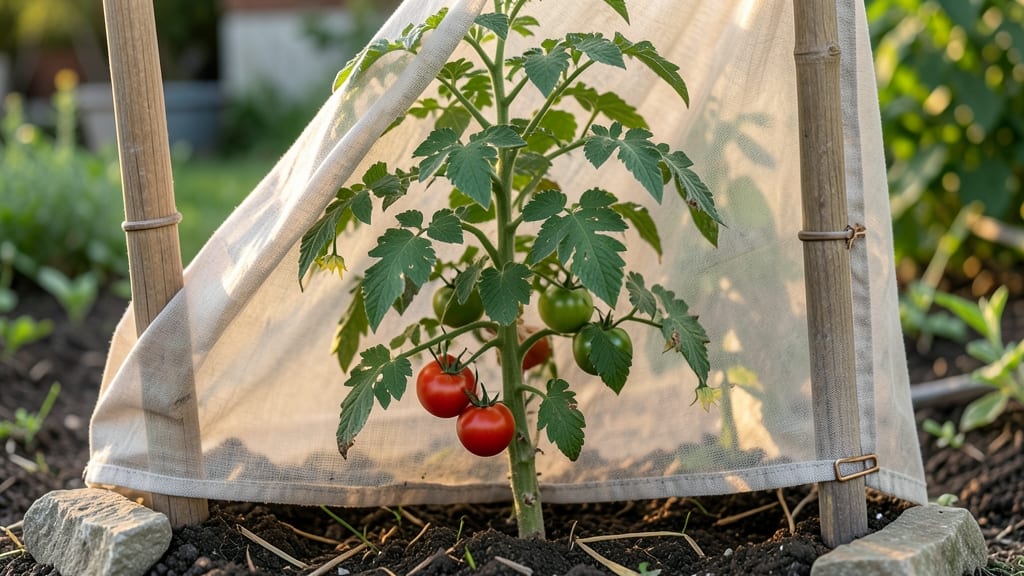
Covering tomato plants at night saves your harvest from frost damage—especially when temperatures dip below 50°F.
Frost can turn your thriving 🍅 into a sad, wilted memory overnight—but knowing exactly when and how to cover them saves your harvest. The right timing depends on your tomato variety, local climate, and chill-protection zones.
Most gardeners in USDA Zone 6a should start covering plants when nighttime lows drop to 45°F, but hybrid varieties can handle slightly cooler temps. Heirlooms, though, need protection earlier.
Below, I’ll break down the best materials to use, how to tell when it’s time to cover up, and when you can safely remove the protection in the morning—so your plants stay healthy and productive all season.
Chill-protection zones: when to cover tomato plants by variety
Your tomato plants can handle light frosts when young, but 32°F (0°C) or lower triggers serious damage—especially for heirloom varieties and cherry tomatoes. The key is understanding your USDA zone and tomato type, since beefsteak hybrids often tolerate cold better than delicate heirlooms.
I’ve grown tomatoes in Zone 7b for years, and I’ve learned that early-season covers are non-negotiable in April, while late-season risks peak in October when nights dip unexpectedly.
Most gardeners make the mistake of waiting too long to cover plants. By the time you see frost warnings on the news, it’s often too late—especially for unripe fruit that can’t recover. The solution? Use a temperature-based approach combined with your tomato variety’s cold tolerance.
For example, ‘Mountain Merit’ can handle 28°F (-2°C) briefly, while ‘Brandywine’ wilts at 36°F (2°C). Your local microclimate also plays a role—valleys and low spots freeze faster than slopes.
Here’s the critical threshold breakdown for when to cover your plants at night, organized by variety and USDA zone:
| Tomato Type | Cold Tolerance Threshold (°F) | USDA Zones to Cover | Early Season Cover Time | Late Season Cover Time |
|---|---|---|---|---|
| Heirloom Varieties (e.g., 'Brandywine', 'Cherokee Purple') | 36°F (2°C) | Zones 5-8 | Cover at 40°F (4°C) nighttime lows | Cover at 45°F (7°C) nighttime lows |
| Hybrid Varieties (e.g., 'Celebrity', 'Better Boy') | 32°F (0°C) | Zones 6-9 | Cover at 38°F (3°C) nighttime lows | Cover at 40°F (4°C) nighttime lows |
| Cherry Tomatoes (e.g., 'Sweet 100', 'Sun Gold') | 34°F (1°C) | Zones 7-10 | Cover at 36°F (2°C) nighttime lows | Cover at 38°F (3°C) nighttime lows |
| Beefsteak Varieties (e.g., 'Big Beef', 'Mountain Merit') | 28°F (-2°C) | Zones 4-8 | Cover at 34°F (1°C) nighttime lows | Cover at 36°F (2°C) nighttime lows |
For Zone 5 gardeners, early-season covers are essential from late April until mid-June, while Zone 9+ growers only need to worry about October frosts. I’ve found that frost cloth (not plastic!) is the best choice—it breathes while trapping heat.
Secure it loosely with bricks or stakes to avoid crushing stems. In my garden, I also use row covers for cherry tomatoes because their smaller size makes them more vulnerable to cold.
Late-season risks are often underestimated. Even in Zone 8, a 28°F (-2°C) dip in October can ruin unharvested fruit. The trick is to monitor 7-day forecasts and cover plants 24 hours before the predicted low.
I set up a mini weather station near my garden to track temps accurately—it’s saved my heirloom tomatoes more times than I can count. If you’re in Zone 6 or colder, consider black plastic mulch to warm soil
Step-by-step guide to covering tomato plants for frost protection
Protecting your tomato plants from frost damage at night is a game-changer for a bountiful harvest. Even mature plants can suffer irreversible harm when temperatures dip below 32°F (0°C).
The key is acting at the right moment—before damage occurs but not so early that you risk overheating during the day.
I’ve learned the hard way that row covers, frost blankets, and cloches are only effective if used correctly. Timing matters just as much as the material you choose.
For example, in USDA Zone 8, I start covering when nighttime temps drop to 40°F (4°C), while in colder zones, I’m more aggressive with protection.
- Check the forecast for nighttime temps below 45°F (7°C)—this is your trigger. Use a weather app or local agricultural alerts for real-time updates.
- Choose your cover: Frost blankets (breathable) work for light frosts, while row covers or cloches are better for hard freezes. Avoid plastic directly on leaves—it traps moisture and causes rot.
- Install covers at dusk, securing edges with bricks, clips, or soil to prevent wind from lifting them. Leave a small gap at the bottom for airflow if using a blanket.
- Remove covers at dawn (before 7 AM) to allow sunlight to warm the plants. Trapped heat can scorch leaves faster than frost kills them.
- Monitor plants daily. If you see wilting or discoloration, adjust your timing or switch to a more protective cover.
One common mistake I see is leaving covers on too long. Tomato plants need sunlight to produce energy, and prolonged coverage can weaken them. I’ve also seen gardeners use heavy plastic instead of breathable fabrics—this creates a greenhouse effect that’s worse than frost.
For cherry tomatoes or small varieties, I opt for individual cloches or mini row covers to avoid smothering. Larger plants like beefsteaks can handle a single frost blanket draped over stakes. Always stake your plants first—bent stems can’t recover from frost stress.
If you’re in a transition zone (like Zone 7b), I recommend covering plants 2-3 nights in a row when temps hover around 35°F (2°C). This gives your plants a buffer while they adjust. And remember: water deeply before covering—hydrated plants handle cold better than thirsty ones.
With the right timing and materials, your tomato plants will thank you with juicy, disease-free fruit all season long. The effort is minimal, but the payoff is huge—especially when you’re staring at a heavy vine of ripe tomatoes instead of a frozen mess. 🌱