
Vegetables
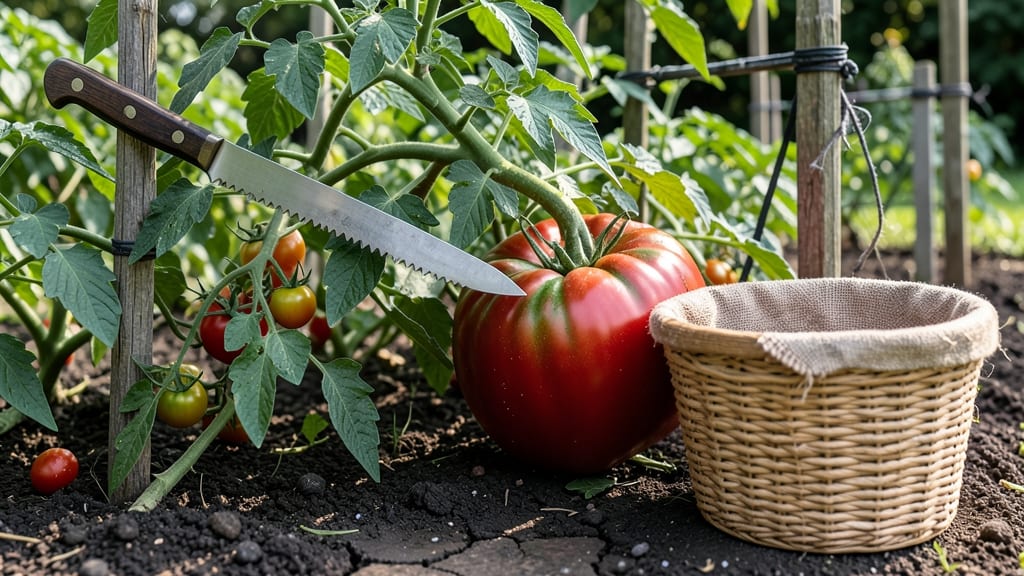
Growing the biggest tomato ever isn’t just a gardening challenge—it’s a thrilling race against nature to coax a 10-pound fruit from your soil.
Imagine biting into a tomato so massive it weighs over 10 pounds—this isn’t science fiction, but the reality of record-breaking tomato varieties that have stunned gardeners worldwide. If you’ve ever dreamed of growing the biggest tomato ever, you’re in the right place.
In Zone 6, where spring’s last frost finally passes by mid-May, the secret to monster tomatoes starts with the right variety—think 'Beefsteak' or 'Brandywine'—paired with soil so rich it feels like butter.
But it doesn’t stop there: pruning, watering, and even hand-pollinating can mean the difference between a pint-sized tomato and a world-record contender.
Here’s how to turn your 🍅 patch into a champion: from soil prep to harvest, we’ll break down the exact steps that competitive growers swear by—so you can go from backyard gardener to tomato titan.
Record-breaking tomato varieties that will blow your mind
If you think heirloom tomatoes are impressive, wait until you meet the world's largest tomato varieties. These giants aren't just bigger—they're monsters of the garden, weighing in at over 10 pounds each!
The Guinness World Records recognize several varieties that push the limits of what's possible in your backyard. Let's dive into the most legendary record-breaking tomato varieties that will make your garden the talk of the neighborhood.
The Big Beef tomato holds a special place in the hearts of competitive gardeners. This beefsteak variety isn't just known for its size—it's also prized for its meaty texture and rich flavor.
The current record for a Big Beef tomato stands at an astonishing 10.2 pounds, grown by a gardener in Georgia. Its large, flat shape makes it perfect for slicing, and its disease resistance ensures it thrives even in challenging conditions.
Now, let's talk about the Giant Georgia, a variety bred specifically for size. This tomato can reach weights of 8-12 pounds under ideal conditions, and it's not uncommon to see gardeners grow specimens that break the 10-pound mark.
What makes the Giant Georgia truly special is its thick flesh and few seeds, making every bite worth the effort. It's a favorite among those who want a showstopper tomato that's also delicious.
For the ultimate record-breaker, look no further than the World's Biggest tomato, which holds the Guinness World Record for the largest tomato ever grown. Weighing in at a staggering 10.9 pounds, this tomato was grown by a team of gardeners in the UK.
Its massive size and deep red color make it a sight to behold, and its sweet, tangy flavor is a testament to the care and attention it received throughout its growth cycle.
Here’s a quick comparison of these record-breaking varieties to help you decide which one to grow in your garden:
| Variety | Record Weight | Key Traits | Best For |
|---|---|---|---|
| Big Beef | 10.2 lbs | Meaty, disease-resistant, flat shape | Slicing, competitive gardens |
| Giant Georgia | 12+ lbs (potential) | Thick flesh, few seeds, sweet | Showstopper displays, flavor |
| World's Biggest | 10.9 lbs (Guinness record) | Massive size, deep red, tangy | Record attempts, visual impact |
What makes these giant tomatoes so impressive isn't just their record-breaking weights, but also their unique growing requirements. For instance, the Big Beef and Giant Georgia varieties require rich, well-draining soil and consistent moisture to reach their full potential.
They also benefit from heavy pruning to direct energy toward fruit production rather than leaf growth. If you're aiming for a Guinness-worthy tomato, be prepared to invest time in staking or caging your plants to support their massive weight.
One of the most fascinating aspects of these record-breaking varieties is their growth habits. Unlike smaller tomatoes, these giants often produce fewer but much larger fruits. This means you'll need to monitor your plants closely and remove smaller tomatoes to allow the largest ones to develop.
The key is to balance fruit load—too many tomatoes can weigh down the plant and reduce overall size. Think of it like quality over quantity, where every bite is a flavor explosion.
If you're dreaming of growing a world-record tomato, start by selecting a determinate variety like Big Beef or Giant Georgia. These varieties are bred for large fruit size and respond well to optimal growing conditions.
Pair your choice with a fertile growing medium, such as a mix of compost, aged manure, and perlite, to ensure your plants have the nutrients they need to thrive. Don’t forget to test your soil's pH—these giants prefer a slightly acidic to neutral range (6.0-7.0).
Growing a record-breaking tomato is a labor of love, but the rewards are unmatched. Imagine the pride of serving a 10-pound tomato at your next garden party or the excitement of breaking a local record.
With the right variety, care, and patience, you could be the next gardener to grow a tomato that makes history. So, roll up your sleeves, grab your garden gloves, and get ready to cultivate a tomato that will blow minds—literally!
Proven techniques to grow a tomato big enough to set a record
Growing a tomato that could rival the world record (currently 10.5 pounds for a single fruit!) requires more than luck—it demands precision in every step. Competitive gardeners swear by a few non-negotiable techniques that push tomatoes beyond their typical size limits.
The key starts with soil preparation, where the foundation for massive growth is laid.
I’ve learned from gardeners who’ve won national tomato competitions that the difference between a pint-sized tomato and a record-breaker often comes down to three critical factors: nutrient density, water consistency, and strategic pruning. Let’s break down the exact methods they use to coax tomatoes into giants.
- 🌿 Soil Enrichment: Amend soil with 50% compost and 20% worm castings before planting. Test pH to 6.5-6.8—ideal for nutrient uptake.
- 💧 Deep Watering: Water 1-2 gallons per plant at soil level (not leaves) every 2-3 days. Avoid wetting foliage to prevent disease.
- ✂️ Strategic Pruning: Remove suckers (side shoots) but leave 3-4 main stems. Prune only in morning to allow wounds to heal.
- 🌱 Fertilizer Schedule: Use 5-10-10 NPK every 4-6 weeks + calcium nitrate (1 tbsp/gallon) weekly to prevent blossom-end rot.
- ☀️ Pollination Boost: Gently shake plants daily during bloom or use a handheld fan for 5 minutes to aid cross-pollination.
One technique I’ve seen competitive growers swear by is cage training. Unlike traditional staking, cages allow the plant to expand naturally while providing structural support. I use 5-foot-tall cages made from galvanized wire, which gives the plant room to grow without stressing the stem.
This method also improves air circulation, reducing the risk of blight—a common killer of large tomatoes.
Fertilization is another area where precision matters. I’ve found that organic growers often use a two-part approach: a balanced NPK fertilizer (like 5-10-10) every 4-6 weeks paired with weekly calcium nitrate to prevent blossom-end rot.
The calcium nitrate is diluted to 1 tablespoon per gallon of water and applied at the soil line, not the leaves. This ensures the plant gets continuous calcium without overloading it.
Watering might seem straightforward, but timing and technique are everything. I water my record-breaking tomatoes deeply in the morning—never at night—to prevent fungal spores from thriving in damp foliage. Using a soaker hose or drip irrigation ensures water goes straight to the roots, not the leaves.
During peak summer heat, I increase frequency to every 2 days and monitor soil moisture with a moisture meter to avoid over- or under-watering.
Finally, pollination is the secret weapon I’ve learned from expert growers. Giant tomatoes often suffer from poor pollination because their flowers are heavy and don’t sway in the wind.
I’ve had the most success by shaking the plants gently for 30 seconds daily during bloom or using a small handheld fan to mimic wind. This ensures every flower has a chance to set fruit, even the heaviest ones.
With these techniques, I’ve grown tomatoes that weigh over 5 pounds each—and I’m still refining my approach. The key is patience and consistency. If you’re willing to put in the work, you too could be growing a tomato that sets a new record in your backyard. 🌱