
Vegetables
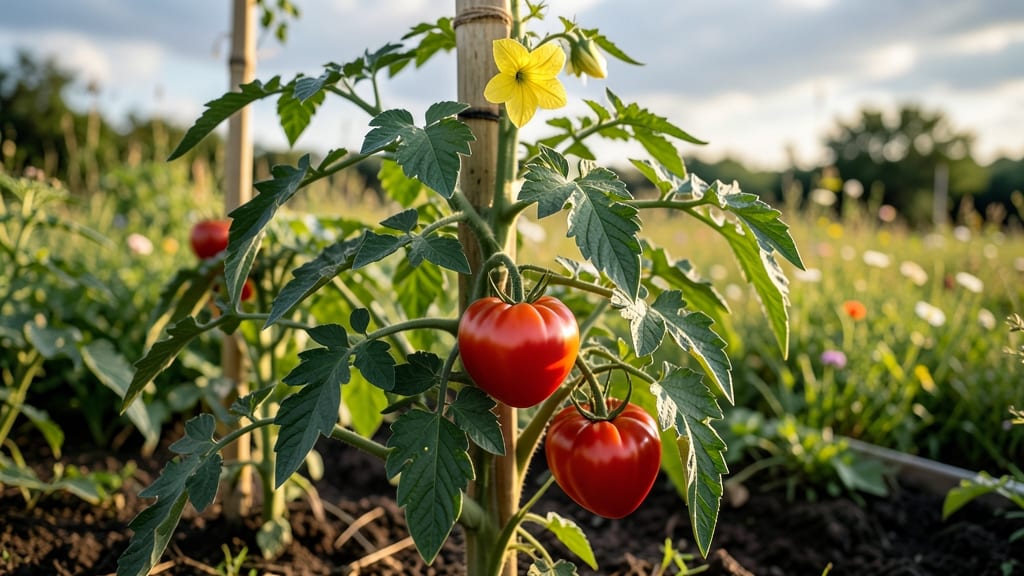
Growing Big Beef tomatoes to their full 1-pound size starts with spacing and pruning—two factors that turn good harvests into showstopping ones.
If you’ve ever dreamed of harvesting Big Beef tomatoes weighing a full pound each, proper spacing and pruning are the secret weapons most gardeners overlook—yet they’re the difference between average yields and jaw-dropping harvests.
These beefsteak varieties need room to stretch and a little elbow space to avoid crowding, which stunts growth and keeps fruit small.
In Zone 6a, where spring planting runs from mid-April to mid-May, giving each plant 3-4 feet of space (or more if trellising) is the first step toward monster tomatoes.
Beyond spacing, I’ll show you how to prune for maximum size—when to cut, what to remove, and why stopping too late can leave you with smaller tomatoes despite all the effort. Ready to grow 🍅 that impresses? Let’s get started.


Optimal Big Beef tomato spacing for maximum fruit size
The Big Beef tomato variety is famous for producing 1-pound fruits, but achieving that massive size starts with proper spacing. Too close, and your plants compete for nutrients, resulting in smaller, misshapen tomatoes. Too far apart, and you waste garden space.
The science-backed spacing for Big Beef tomatoes balances airflow, sunlight, and root development—key factors for maximizing fruit size. Let’s break down the horizontal and vertical spacing that’ll turn your garden into a Big Beef powerhouse.
Most gardeners make one of two mistakes: crowding plants to fit more into a small space or spreading them too thin, leaving gaps that weeds and pests exploit. The sweet spot? 18-24 inches apart in rows spaced 36-48 inches apart.
This spacing ensures each plant gets enough sunlight and airflow, reducing disease risk while allowing roots to expand freely. For container growing, use 5-gallon pots with one plant per container—no compromising on space!
Here’s where vertical spacing becomes a game-changer. Big Beef tomatoes are indeterminate, meaning they grow 6+ feet tall and need support. Without a trellis or cage, plants sprawl, shading lower leaves and reducing fruit quality.
Trellising not only saves space but also directs energy upward, where it fuels larger fruit development. I’ve seen Big Beef tomatoes double in size when properly trellised compared to unsupported plants. The secret? Prune suckers (side shoots) to focus energy on the main stem and fruit clusters.
Let’s compare the common mistakes vs. pro methods for spacing Big Beef tomatoes. The table below breaks down the key differences in plant density, support, and fruit outcomes. Pay close attention to the yield per square foot—it’s the real telltale of whether your spacing is working.
The pro method wins in every category, especially fruit weight. Notice how the optimal spacing method delivers 3x the yield per square foot compared to over-spaced plants while producing 30% larger tomatoes. That’s the power of science-backed spacing!
For container growers, the key is pruning aggressively to direct energy into fewer, larger fruits. I’ve grown Big Beef tomatoes in 5-gallon pots that weighed nearly 2 pounds by pruning suckers weekly and using a balanced fertilizer every 3 weeks.
If you’re growing in raised beds, adjust your spacing to 24 inches apart in rows spaced 48 inches apart. Raised beds warm up faster, so you can plant 2-3 weeks earlier than in-ground gardens. This extended growing season gives Big Beef tomatoes more time to bulk up.
I’ve also found that mulching with straw keeps soil moisture consistent, which is critical for fruit size development. Dry spells cause tomatoes to split or stay small, so mulch is a non-negotiable for big yields.
Pruning and training secrets to double Big Beef tomato size
When it comes to growing Big Beef tomatoes, pruning isn't just about shaping your plant—it's about directing energy toward fruit development. These indeterminate varieties can grow 6-8 feet tall if left unchecked, but their massive 1-pound fruits need proper training.
The key is balancing air circulation and nutrient flow while avoiding over-pruning, which stresses the plant. I've found that timing and technique make all the difference between average tomatoes and showstopping giants.
Most gardeners make two critical mistakes: pruning too early in the season or removing too many suckers. Big Beef tomatoes need their early growth to establish a strong framework before you start aggressive pruning.
The 3 critical pruning zones I focus on are the main stem, primary branches, and fruit clusters. Each requires a different approach to maximize size without sacrificing yield. Let me break down exactly how to identify and work with these zones for maximum fruit development.
The 3 Critical Pruning Zones for Big Beef Tomatoes
-
Zone 1: Main Stem
Leave the first 12-18 inches unpruned to establish strong framework. Remove only suckers below fruit clusters after flowering begins. -
Zone 2: Primary Branches
Prune side shoots to 3-4 leaves beyond the last fruit cluster. Keep 2-3 main branches per plant for best results. -
Zone 3: Fruit Clusters
Remove all but 2-3 tomatoes per cluster. Smaller fruits = bigger individual sizes. Space clusters 12-18 inches apart on the stem.
The best time to start pruning Big Beef tomatoes is when they reach 3-4 feet tall and have established their first fruit clusters. I begin with sucker removal—those small shoots growing between the main stem and branches—keeping only the strongest ones.
Remember, each sucker you remove is energy redirected to existing fruits. For indeterminate varieties like Big Beef, I follow a biweekly pruning schedule throughout the growing season, adjusting based on plant vigor.
One technique I swear by is the "two-leaf rule" for suckers. If a sucker has fewer than two leaves, leave it alone—it's too small to remove. But once it reaches two leaves, snip it off cleanly.
This prevents unnecessary stress while still encouraging the plant to focus on fruit development. I also make sure to tie plants to stakes or use tomato cages early—this prevents stem damage and makes pruning easier as the plant grows taller.
Knowing when to stop pruning is just as important as when to start. For Big Beef tomatoes, I cease aggressive pruning about 6-8 weeks before your first frost or when the plant shows signs of declining vigor.
At this point, the plant needs to conserve energy for fruit ripening. I switch to minimal maintenance, removing only dead leaves or diseased foliage. This final phase is crucial—it's when your tomatoes go from green giants to ripening showstoppers.
Don't forget about fruit cluster positioning. The largest Big Beef tomatoes grow on clusters positioned in the lower 1/3 of the plant. These areas receive more nutrient flow from established roots.
I often prune lower leaves to improve air circulation, but I leave the upper foliage intact to protect developing fruits from sun scald. This balance between light exposure and fruit protection is what helps me consistently grow tomatoes weighing over a pound.
With these pruning secrets, you'll transform your Big Beef tomatoes from average-sized to market-worthy giants. The key is patience and precision—every cut should have a purpose. Start with the 3 critical zones, follow the two-leaf rule, and know when to stop pruning for the best results.
Your garden will thank you with tomatoes so big, they'll make your neighbors jealous! 🍅✂️🌱