
How To
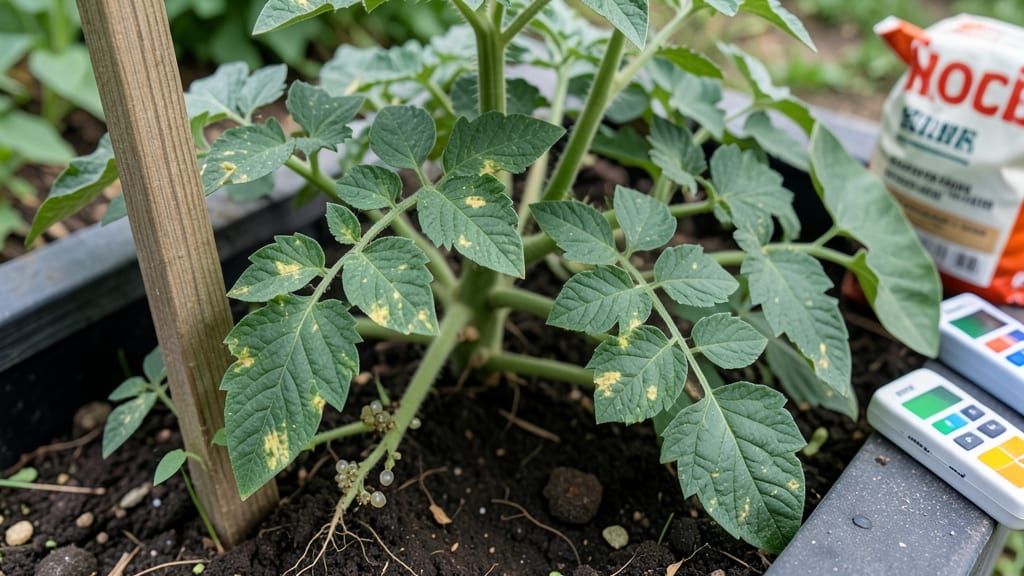
Your tomato plants are sending an SOS with yellowing leaves—and it’s not just a nutrient deficiency. 🌱 The copper-free fix I’ve used for early blight (and other stress signs) works within 24 hours when you address the real cause: fungal spores hiding in damp foliage or overwatered roots.
Most gardeners grab copper sprays first, but that’s overkill for early-stage yellowing. Instead, focus on airflow (prune crowded branches), water at the base (never overhead), and spray with a baking soda solution (1 tsp baking soda + 1 quart water + a drop of dish soap).
The key? Catch it before brown spots appear.
By tomorrow, you’ll see new green growth pushing through. The plants won’t just survive—they’ll rebound stronger, with fewer future outbreaks. And yes, this works for heirlooms, cherry tomatoes, and even those stubborn beefsteak varieties that always struggle.
Pro tip: Save the worst-affected leaves for compost (bury them deep) and sterilize your pruners with rubbing alcohol between cuts. Prevention is easier than cleanup—trust me, I’ve learned that the hard way after losing three plants to blight last summer.
Root Causes Of Leaf Yellowing
Yellowing tomato leaves aren’t just a cosmetic issue—they’re a cry for help from your plants. Understanding the why behind the discoloration is the first step to saving your harvest.
Below, we break down the most common culprits, from nutrient deficiencies to environmental stressors, with clear explanations of how each affects your tomatoes.
Tomatoes thrive in well-draining soil, but when roots sit in soggy conditions, they suffocate. Overwatering or compacted soil starves roots of oxygen, leading to:
- Chlorosis (yellowing): Roots can’t absorb nutrients efficiently, causing leaves to turn yellow, especially between veins.
- Fungal infections: Excess moisture invites Phytophthora and Pythium, pathogens that clog root cells and block nutrient uptake.
- Root rot: A silent killer—roots turn black and mushy, while leaves yellow and wilt, even if the soil feels damp.
Actionable fix: Let the top 1–2 inches of soil dry between waterings. Amend heavy clay soil with compost or perlite to improve drainage. If roots are rotting, prune affected areas and repot in fresh, sterile soil.
Tomatoes love sunlight, but too much—especially during intense heatwaves—can scorch leaves. Sunburn causes:
- Bleached or yellow patches on upper leaves exposed to direct midday sun.
- Crispy edges (a sign of heat stress, not just water loss).
- Reduced photosynthesis: Damaged cells can’t convert sunlight to energy, leading to overall leaf yellowing.
Actionable fix:
- Provide afternoon shade with a cloth row cover or dappled shade from taller plants.
- Mulch heavily with straw to reflect heat and keep roots cool.
- Avoid overhead watering during peak sun—water deeply at dawn instead.
Yellowing leaves often signal a nutrient imbalance. Two key deficiencies stand out:
🔴 Nitrogen Deficiency (Older Leaves Yellow First)
Nitrogen is the building block of chlorophyll. When soil lacks it, older (lower) leaves turn yellow first, then brown and crisp.
- Why it happens: Fast-growing tomatoes deplete nitrogen quickly, especially in sandy or leached soils.
- Quick test: If veins stay green but leaf tissue yellows, it’s nitrogen.
🟢 Magnesium Deficiency (Yellow Between Veins)
Magnesium is critical for chlorophyll production. A deficiency causes interveinal yellowing (yellowing between veins), starting on older leaves and spreading upward.
- Why it happens: Over-fertilizing with nitrogen (without potassium/magnesium) or alkaline soil locks out magnesium.
- Pro tip: Epsom salt (magnesium sulfate) is a fast fix—dissolve 1 tbsp per gallon of water and spray leaves weekly.
Actionable fix:
- Test soil pH (ideal: 6.0–6.8). Add sulfur to lower pH if needed.
- Side-dress with compost or balanced fertilizer (10-10-10) at planting and mid-season.
- For magnesium, use Epsom salt or a kelp meal (also supplies micronutrients).
Yellowing can be a symptom of hidden invaders. Watch for these red flags:
🐜 Spider Mites & Aphids
These sap-suckers drain chlorophyll, causing:
- Yellow stippling (tiny dots) on leaves.
- Sticky residue (honeydew) on lower leaves.
- Curling or distorted new growth.
🍄 Early Blight (Alternaria solani)
A fungal disease that starts with yellow-brown spots on lower leaves, often with concentric rings. It thrives in humid, wet conditions.
🍅 Verticillium or Fusarium Wilt
Soil-borne fungi that clog xylem vessels, cutting off water/nutrients. Leaves yellow from the bottom up, and wilting occurs even when soil is moist.
Actionable fix:
- For pests: Spray with neem oil or introduce ladybugs/predatory mites.
- For blight: Remove infected leaves immediately and apply copper-free fungicide (e.g., baking soda spray: 1 tbsp baking soda + 1 tsp oil + 1 gallon water).
- For wilts: Rotate crops (avoid planting tomatoes/solances in the same spot for 3+ years) and solarize soil in spring.
Even healthy tomatoes can yellow due to external stressors:
- Wind damage: Leaves tear or yellow from physical stress.
- Salt buildup: Over-fertilizing or poor-quality water can burn root tips, reducing nutrient uptake.
- Chemical burn: Herbicides (even from neighboring lawns) or over-salting soil can cause yellowing.
Actionable fix:
- Protect plants with windbreaks (e.g., burlap screens).
- Flush soil with rainwater or distilled water to reduce salt buildup.
- Test water for chlorine/salt—let tap water sit 24 hours before using.
Quick fixes for tomato leaf discoloration
Yellowing tomato leaves can be a sign of stress, but the good news is that many issues have fast, copper-free solutions. Whether your plants are struggling with nutrient deficiencies, pests, or environmental factors, these targeted fixes will help restore their health—often within 24 hours or less.
Below, we’ve mapped the most common causes to their easiest remedies, plus prevention tips to keep your tomatoes thriving.
If your tomato leaves are yellowing due to a lack of essential nutrients, a quick boost can turn things around fast.
🔥 Fix Iron or Chlorosis (Yellow Leaves with Green Veins)
Yellowing between veins (interveinal chlorosis) is often a sign of iron deficiency, common in alkaline soils or overwatered plants.
- ✅ Solution:
- Spray leaves with a chelated iron supplement (like iron sulfate or ferrous chelate) mixed with water.
Reapply every 3–5 days until new growth appears. - Add compost or worm castings to the soil to improve microbial activity and nutrient uptake. - Check soil pH—if it’s above 7.0, amend with sulfur or peat moss to lower it.
- 💡 Pro Tip: Avoid over-fertilizing with nitrogen-heavy feeds, as this can worsen iron uptake issues. Stick to balanced (10-10-10) or low-nitrogen fertilizers for tomatoes.
🍳 Fix Nitrogen Deficiency (Pale Yellow Leaves)
Older leaves turning uniformly yellow (not just between veins) may lack nitrogen, the building block of healthy foliage.
- ✅ Solution:
- Apply a quick-release nitrogen boost like fish emulsion (5-1-1) or blood meal (12-0-0) at ½ strength to avoid burning roots.
- Top-dress with compost around the base of the plant (but not touching the stem).
- Water deeply after applying fertilizer to help roots absorb nutrients.
- 🌡️ Prevent Relapse: Side-dress with aged manure or compost tea every 2–3 weeks during the growing season.
Yellowing leaves can also signal pests or fungal diseases like early blight or septoria leaf spot. Act fast to stop the spread!
👨🍳 Fix Aphids, Spider Mites, or Whiteflies (Sticky Leaves + Yellowing)
These sap-sucking pests weaken plants, causing leaves to yellow and curl.
- ✅ Solution:
- Blast them off with a strong spray of water (early morning or evening).
- Spray with neem oil (1 tsp per quart of water + a drop of dish soap)—reapply every 5–7 days until pests vanish.
- Introduce beneficial insects like ladybugs or lacewings for long-term control.
- 🎯 Prevention: Mulch heavily to deter crawling pests and remove infected leaves immediately.
🍄 Fix Early Blight or Septoria Leaf Spot (Yellow Spots with Dark Borders)
Fungal diseases thrive in humid, wet conditions, causing yellowing spots that expand with dark edges.
- ✅ Solution:
- Remove and destroy infected leaves (don’t compost them!) to prevent spread.
- Spray with a copper-free fungicide like baking soda mix (1 tbsp baking soda + 1 quart water + a drop of soap) or hydrogen peroxide (1 tbsp 3% H₂O₂ per quart of water).
- Improve air circulation by pruning crowded foliage and spacing plants 18–24 inches apart.
- Water at the base only (avoid overhead watering in the evening).
- ✨ Emergency Fix: For severe cases, apply a layer of straw mulch to reduce soil splashing onto leaves.
Overwatering or underwatering can both cause yellowing—here’s how to strike the right balance.
🔪 Fix Overwatering (Mushy Yellow Leaves + Wilting)
Too much water drowns roots, cutting off oxygen and nutrients.
- ✅ Solution:
- Let the top 1–2 inches of soil dry out before watering again.
- Check drainage—if water pools in saucers or containers, add perlite or sand to improve airflow.
- Water deeply but less frequently (e.g., 2–3 times per week instead of daily).
- ⏰ Pro Tip: Morning watering (before 10 AM) reduces fungal risks and allows foliage to dry quickly.
🥘 Fix Underwatering (Crispy Yellow Edges)
Brown, crispy yellow edges mean your tomatoes are thirsty.
- ✅ Solution:
- Water thoroughly until it drains from the bottom (for potted plants).
- Mulch with straw or grass clippings to retain moisture.
- Move containers to a shadier spot if they’re wilting in hot sun.
- 💡 Prevention: Group tomatoes together to create a microclimate with higher humidity.
Heat, wind, or transplant shock can also turn leaves yellow. Adjust the growing conditions to help your plants recover.
🌡️ Fix Heat Stress (Bleached or Scorched Yellow Leaves)
Tomatoes hate temperatures above 90°F (32°C)—leaves may yellow and drop.
- ✅ Solution:
- Provide afternoon shade with floating row covers or shade cloth (30–50%).
- Mulch heavily to keep roots cool.
- Mist leaves lightly in extreme heat (early morning only).
- 🎯 Prevention: Choose heat-tolerant varieties like ‘Solar Fire’ or ‘Heatmaster’ for future seasons.
🌬️ Fix Windburn (Tattered Yellow Edges)
Strong winds desiccate leaves, causing yellowing and tearing.
- ✅ Solution:
- Install a windbreak (like a bamboo screen or straw bales) on the windward side.
- Stake or cage tomatoes to prevent flopping and further damage.
| Issue | Quick Fix | Prevention Tip |
|---|---|---|
| Iron deficiency | Chelated iron spray + compost | Test soil pH; amend if alkaline |
| Nitrogen deficiency | Fish emulsion or blood meal | Side-dress with compost monthly |
| Aphids/spider mites | Neem oil spray + ladybugs | Mulch to deter pests |
| Early blight | Baking soda spray + prune leaves | Water at base; avoid overhead spraying |
| Overwatering | Let soil dry; improve drainage | Use self-watering pots if needed |
| Heat stress | Shade cloth + mulch | Plant in partial shade for hot climates |
🚀 Ready to Revive Your Tomatoes? Most yellowing issues can be reversed in 24 hours with the right care. Start with one fix at a time (e.g., adjust watering or spray for pests) and monitor progress.
If leaves keep yellowing after a week, reassess the cause—sometimes it’s a combo of factors! With these copper-free solutions, your tomatoes will be back to lush and productive in no time. 🍅✨
Frequently asked questions about yellowing tomato leaves
Why do my tomato leaves turn yellow first on the bottom?
Bottom leaves yellowing first usually signals aging or nutrient deficiencies. If older leaves turn pale yellow while veins stay green, it’s likely a nitrogen deficiency. For interveinal yellowing (yellow between veins), check for magnesium or iron deficiency. Always test soil pH first—alkaline soil locks out these nutrients.
Can I save my tomato plant if half the leaves are yellow?
Yes! Remove severely yellowed leaves (especially if diseased) and focus on fixing the root cause. For nutrient issues, apply Epsom salt (magnesium) or compost. For fungal problems, prune infected foliage and spray with baking soda solution. With proper care, new growth will emerge within 7-14 days.
Is yellowing from overwatering different than underwatering?
Overwatered leaves appear mushy and yellow with wilting, while underwatered leaves show crispy yellow edges. Check soil moisture: Stick your finger 1-2 inches deep—if damp, you’re overwatering; if dry, it’s thirsty. Adjust your watering schedule immediately to prevent root damage.
Will yellow leaves affect my tomato harvest?
It depends on the cause. Mild yellowing from aging leaves won’t hurt production, but severe nutrient deficiencies or diseases can reduce yields by 30-50%. Focus on fixing the issue quickly—healthy foliage means better photosynthesis and more fruit. Remove only the worst-affected leaves to maintain plant energy.
How can I prevent yellow leaves next season?
Start with soil testing (aim for pH 6.0-6.8) and amend with compost. Use mulch to regulate moisture and temperature. Rotate crops annually to prevent soil-borne diseases. Choose disease-resistant varieties like 'Celebrity' or 'Mountain Merit' for built-in protection.