
How To
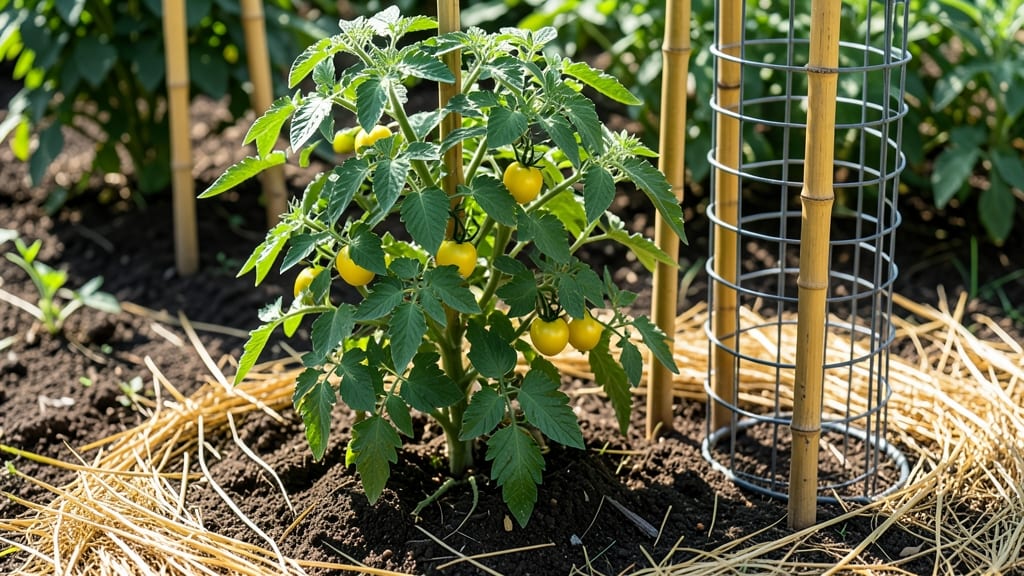
Growing yellow cherry tomato plants delivers sun-ripened sweetness that beats store-bought by a mile. 🌱 I learned the hard way that these vines demand full sun and consistent care—but once you nail it, you'll harvest 20-pound baskets of golden jewels all summer long.
The secret? Matching their needs to their tropical roots, even in cooler climates.
Start with well-draining soil rich in organic matter, and plant after your last frost when soil reaches 60°F. Stake or cage them early—their vines grow fast, and support prevents sprawl.
Water at the base daily (morning is best) but avoid soggy soil, which invites disease. A balanced fertilizer every 2-3 weeks keeps them producing until frost.
Prune regularly to encourage more fruit and better airflow, and watch for common pests like aphids or hornworms. When those tiny yellow orbs blush red, they're ready to pick—harvest every 2-3 days to keep production going.
The flavor? Like sunshine in your mouth, with none of the acidity of red varieties.
Works in containers, raised beds, or backyard plots—just give them 6-8 hours of sun daily. Whether you're a first-timer or a seasoned grower, these plants deliver foolproof rewards with the right care. Let's get those seeds in the ground!
📚 In This Guide
- What you need
- Instructions
- Tips and common mistakes
- Wrapping up and next steps
What you need
- ● Seeds or seedlings: 3–5 yellow cherry tomato seeds (e.g., 'Sun Gold,' 'Lemon Drop,' or 'Yellow Pear') or 1–2 healthy seedlings.
- ● Containers or garden space: For containers: 5-gallon pots (1 per plant) with drainage holes.
- ● For in-ground planting: Well-draining soil in a sunny spot (6+ hours of light daily).
- ● High-quality potting mix: 10–20 lbs of sterile, well-draining mix (e.g., 60% potting soil, 30% compost, 10% perlite).
- ● Fertilizer: Balanced fertilizer (10-10-10) for seedlings.
- ● Tomato-specific fertilizer (high in potassium, e.g., 5-10-10) for flowering/fruiting.
- ● Support structures: 4–6 ft tall cages, stakes, or trellises (1 per plant).
- ● Watering can or hose with nozzle: For gentle, deep watering.
- ● Pruning shears: For trimming suckers and dead leaves.
- ● Mulch: Straw or shredded leaves to retain moisture.
- ● Drip irrigation or soaker hose: For consistent watering.
- ● Grow lights (indoor start): 12–16 hours of light/day for seedlings.
- ● Organic pest control: Neem oil or insecticidal soap (if pests appear).
Step-by-step guide to growing yellow cherry tomato plants
Here's how to coax those sweet, golden clusters from seed to harvest—my foolproof method for bountiful vines.
🌱 Step 1: Start Seeds Indoors 6-8 Weeks Before Last Frost
Fill 2-3 inch deep seed trays with sterile seed-starting mix—never garden soil, which can harbor diseases that kill young seedlings. Moisten the mix until it feels like a wrung-out sponge, then press it down gently to remove air pockets. Plant 2-3 seeds per cell at a depth of about ¼ inch, just below the surface. Cover lightly with additional mix and mist until evenly moist.
Place the tray in a warm spot (70-80°F)—a seedling heat mat speeds germination to 5-10 days. Cover with plastic wrap or a humidity dome to retain moisture, but remove it immediately once sprouts appear to prevent damping-off. You'll see tiny leaves (cotyledons) emerge first—wait until true leaves (the second set) appear before thinning to the strongest seedling per cell.
☀️ Step 2: Provide 14+ Hours of Light Daily
Tomatoes need bright light from day one to avoid leggy growth. A south-facing window rarely provides enough intensity, so supplement with a grow light (2-4 inches above plants). Raise the light as seedlings grow to maintain that distance. You'll know your light is working when seedlings grow compact and dark green—not stretched and pale.
Rotate the tray quarter-turn daily so plants grow straight instead of leaning toward the light. If you notice seedlings bending toward one side, move the light to the opposite direction. After 4-6 weeks, when seedlings have 3-4 true leaves, they're ready for transplanting outdoors—but only after nighttime temperatures stay above 50°F.
🪴 Step 3: Transplant to Outdoor Location
Choose a sunny spot with 6-8+ hours of direct sunlight daily—yellow cherry tomatoes thrive in full sun but can tolerate partial shade in hot climates. Bury seedlings deeper than their original depth—up to the first set of true leaves—to encourage strong root growth. Space plants 18-24 inches apart in rows 3 feet apart for airflow.
Water deeply at transplanting to settle the soil and remove any plastic pots if used. Mulch with 2-3 inches of organic mulch (like straw) to retain moisture and suppress weeds. Avoid fertilizing immediately—let plants adjust for 1-2 weeks before applying a balanced 10-10-10 fertilizer at half strength. You'll see new growth within 7-10 days as a sign they're establishing.
✂️ Step 4: Prune and Support for Maximum Yield
Install cages or stakes at transplanting to support vines as they grow. Prune suckers (the small shoots that form in the leaf axils) weekly to redirect energy to fruit production. Remove any leaves touching the soil to prevent disease. When vines reach the top of the cage, pinch the main stem to encourage bushier growth and more fruit clusters.
Water at the base (not overhead) to keep foliage dry and prevent fungal diseases like early blight. Yellow cherry tomatoes need 1-1.5 inches of water weekly, but increase during fruiting. You'll know your plants are happy when they produce continuous clusters of flowers—each one will turn into sweet, golden fruit in 45-55 days after transplanting.
🍅 Step 5: Harvest and Extend the Season
Pick fruit when it's fully yellow and slightly soft to the touch—they won't ripen further once picked. Harvesting regularly encourages more production. In warm climates, tomatoes keep producing until frost. If fall temperatures drop below 50°F, cover plants with frost cloth to extend the season. You'll get 20-pound harvests per plant with proper care!
Save seeds from your best tomatoes by scooping out the jelly-like gel, rinsing the seeds, and drying them on a paper towel for 3-5 days. Store in a cool, dry place for next year's garden. The key to success? Consistent care—sun, water, and pruning pay off with those sweet, golden clusters.
Tips & tricks for perfect yellow cherry tomato vines
Real talk: These golden beauties reward patience, but a few small tweaks can turn good harvests into spectacular ones.
Germination Boost: The 70-80°F warmth is non-negotiable for those first 5-10 days of germination. I've used a simple DIY solution when I don't have a heat mat—place the seed tray on top of my fridge, which maintains perfect warmth without extra equipment. Pro tip: Keep the humidity dome off once you see sprouts to prevent that dreaded damping-off fungus. You'll notice true leaves emerge about 14 days after planting, signaling it's time to thin.
Lighting Strategy: Those 14+ hours of light are crucial, but placement matters just as much. I position my grow lights 2-4 inches above seedlings and adjust as they grow—this prevents leggy stems that flop over. Watch for seedlings leaning toward the light; if you see this, rotate the tray quarter-turn daily. A south-facing window won't cut it—supplement with lights from day one, or you'll end up with weak, stretched plants that struggle outdoors.
Transplanting Secret: Burying seedlings deeper than their original depth encourages stronger root systems, but don't overdo it—up to the first set of true leaves is perfect. I've found that removing the plastic pots before transplanting helps prevent root circling. After planting, give them a deep watering to settle the soil and remove any remaining pot fragments. The 1-2 week fertilizer break lets roots establish before hitting them with nutrients.
Pruning Payoff: Weekly sucker removal might seem tedious, but it's what transforms good plants into high-yielding machines. I use clean scissors to snip suckers just above the leaf axil—this redirection of energy means more fruit clusters instead of leafy growth. When vines hit the top of cages, pinching the main stem encourages bushier growth that produces even more tomatoes. The weekly pruning habit pays off with those 20-pound harvests per plant!
Pro Tips for Yellow Cherry Tomato Plants
- Real talk: These golden beauties reward patience, but a few small tweaks can turn good harvests into spectacular ones.
- Germination Boost: The 70-80°F warmth is non-negotiable for those first 5-10 days of germination.
- Lighting Strategy: Those 14+ hours of light are crucial, but placement matters just as much.
Frequently asked questions
Got questions about growing yellow cherry tomato plants? You’re not alone! Here are answers to the most common ones—whether you're a first-time gardener or a seasoned pro looking for pro tips.
How much sunlight do yellow cherry tomato plants really need?
These sun-lovers thrive with 6–8+ hours of direct sunlight daily. While they tolerate partial shade, expect fewer fruits and smaller yields. If your garden gets less than 6 hours, consider container gardening near a sunny window or balcony.
When is the best time to plant yellow cherry tomatoes?
Start seeds indoors 6–8 weeks before your last frost date (or buy transplants). Plant outdoors after soil reaches 55°F+ and all frost risk has passed. For warm climates, spring or early fall planting works best to avoid summer heat stress.
Why aren’t my yellow cherry tomatoes turning red (or staying green)?
Yellow cherry tomatoes stay yellow—they’re a golden variety! If they’re green and shriveled, check for:
- Underwatering: Soil should stay consistently moist (not soggy).
- Blossom end rot: Boost calcium with crushed eggshells or lime.
- Cool temps: Below 55°F halts ripening. Use row covers if needed.
Can I grow yellow cherry tomatoes in containers? How big should the pot be?
Use a 5-gallon container minimum (bigger = better yields). Ensure it has drainage holes and fill with lightweight potting mix. Place pots in full sun and fertilize weekly with a balanced tomato feed for container plants.
What pests should I watch for with yellow cherry tomato plants?
Common culprits include:
- Hornworms: Handpick or use Bt spray.
- Aphids: Blast off with water or introduce ladybugs.
- Whiteflies: Yellow sticky traps help.
- Blossom rot: Keep soil moist and add calcium.
Prevent issues with neem oil or row covers early in the season.
Wrapping up and next steps
Growing yellow cherry tomato plants is a rewarding journey that brings vibrant color, sweet flavor, and bountiful harvests to your garden! 🌱 With the right care—sunlight, soil, and a little patience—you’ll enjoy juicy, sun-ripened tomatoes that weigh in at 20 pounds or more.
Whether you’re a beginner or a seasoned gardener, these cheerful vines are a fantastic addition to any plot.
Ready to take the next step? Start by planting your seeds or seedlings this spring and watch your garden transform into a golden treasure trove. Happy growing—your taste buds (and dinner plate) will thank you! 🍅✨