
Planting
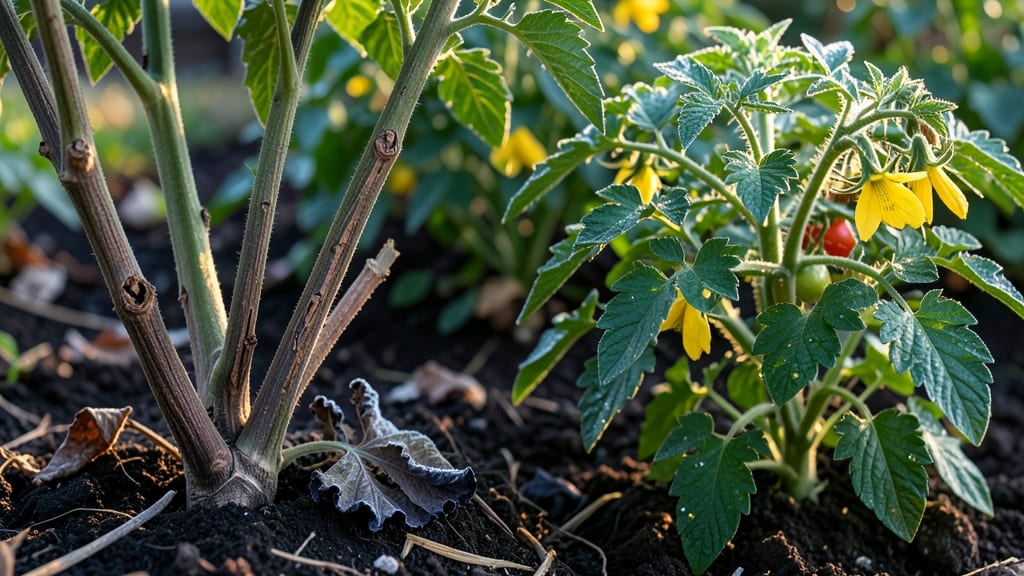
Will a tomato plant come back? Most tomato plants won't survive winter naturally, but perennial varieties like cold-hardy cherry tomatoes or special hybrids can regrow with proper care—think mulching, container protection, or greenhouse overwintering. Annual types must be replanted each spring.
Most gardeners assume tomatoes are annuals, but the truth is more nuanced. 🌱 Perennial tomato varieties have evolved to survive colder climates by developing deeper root systems and thicker stems that withstand frost.
These hardy types—like certain cherry tomatoes or wild species hybrids—can regenerate from their roots if protected during winter. The key is understanding their natural growth patterns and adapting your care routine to mimic their native conditions.
For non-perennial varieties, overwintering becomes a game of strategy. Mulching with straw or leaves insulates the base, while moving potted plants to a garage or unheated greenhouse can extend their life.
Pruning back foliage before winter reduces stress, and monitoring soil moisture prevents root rot. Even annuals might surprise you with new shoots in milder climates!
💡 In This Article
- Perennial Tomato Varieties That Regrow Naturally
- Overwintering Tomato Plants: Step-by-Step Survival Guide
Perennial tomato varieties that regrow naturally
Most gardeners work with annual tomato varieties (Solanum lycopersicum), but nature has crafted some remarkable exceptions. Perennial tomatoes—like certain cherry tomato cultivars (Solanum lycopersicum var. cerasiforme)—have evolved deep root systems that can survive winter dormancy.
These plants store energy in their roots during cold months, allowing them to regenerate new growth when temperatures rise. The secret lies in their genetic makeup: these varieties produce thicker, woody stems that act as natural insulation against frost damage.
One standout example is the Indeterminate Cherry Tomato varieties, which can grow up to 10 feet tall and produce fruit continuously. Their ability to regrow stems from the base comes from a trait called basal sprouting, where dormant buds near the soil surface activate when conditions improve.
Another fascinating case is the Solanum habrochaites hybrids, which combine wild tomato traits with domesticated resilience—some can even survive light frosts (-5°F) if properly protected. 🌱
The science behind this survival mechanism involves cold acclimation. As temperatures drop, these plants reduce their metabolic rate and produce antifreeze proteins that prevent ice crystal formation in their cells.
Their roots also extend deeper (sometimes 3-5 feet) to access groundwater, giving them a competitive edge in harsh climates. This natural adaptation explains why some heirloom varieties have persisted in Mediterranean climates for centuries.
What sets perennial tomatoes apart is their ability to rejuvenate from the root crown—the thickened base where stems emerge. Unlike annuals that die completely, these plants enter a semi-dormant state, conserving energy until spring.
For gardeners in USDA zones 8-10, this means less replanting and more consistent harvests over time. The trade-off? These varieties often require 2-3 years to reach full productivity compared to annuals.
Visual clues can help identify perennial potential: look for thick, woody stems (over 1/2 inch in diameter) and deep green, waxy leaves that suggest cold tolerance. Some garden centers now sell labeled "perennial" tomato varieties, though they're still rare compared to annuals.
The key is choosing types with proven hardiness—like 'Black Krim' or 'Cherokee Purple'—which have shown regrowth in zone 7 with proper care.
For those in colder regions, consider grafting perennial rootstock onto annual scions—a technique used by some commercial growers to combine the best of both worlds. The rootstock provides winter survival while the scion delivers the desired fruit characteristics.
This hybrid approach has gained traction in organic farming circles for its sustainability benefits. 💫