
Planting
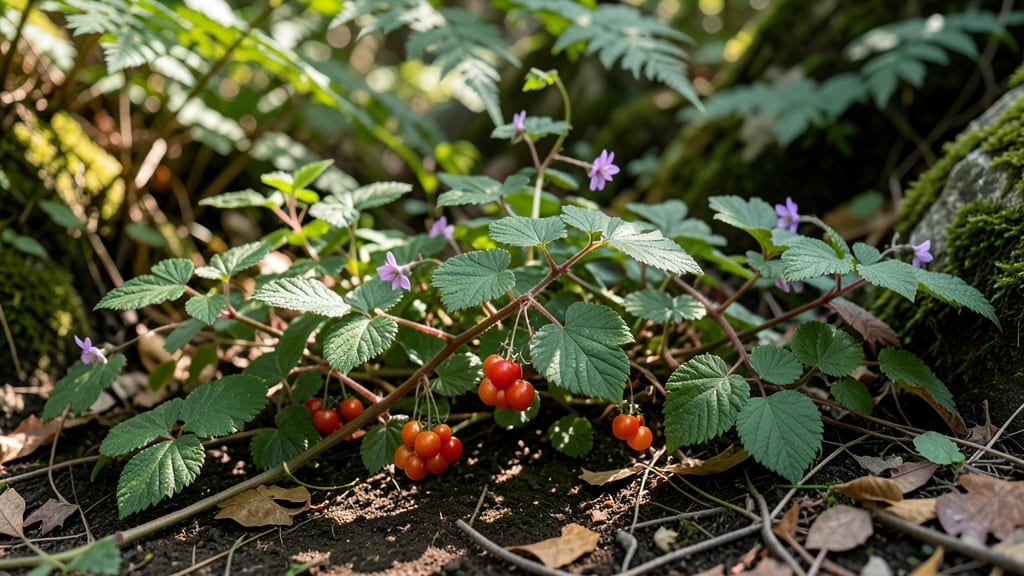
Toxic wild tomato plants, including Solanum dulcamara (bittersweet nightshade) and Solanum carolinense (horse nettle), pose serious risks because they contain solanine—a compound that can trigger digestive distress, skin irritation, or even neurological symptoms. Recognize them by their spiky stems, clusters of yellow flowers, and green berries, then remove them carefully using protective gloves and sealed disposal bags.
These invasive plants aren't just garden nuisances—they can contaminate soil and spread rapidly, making them a persistent problem. 🌱 The real danger lies in their ability to mimic edible tomatoes, especially when young or unripe, which is why many gardeners mistake them for harmless varieties.
I always recommend double-checking any unfamiliar plants before harvesting, as even brief skin contact with the sap can cause allergic reactions in sensitive individuals.
Once identified, the key is quick action: pull them up by the roots (if small) or cut them at the base with pruners to prevent regrowth. For stubborn patches, smothering with thick mulch or vinegar-based solutions can help, though repeated applications may be needed.
The critical factor is disposal—never compost these plants, as the seeds can survive and sprout later.
💡 In This Article
- Identifying Toxic Wild Tomato Species and Their Dangers
- Safe Removal and Prevention Strategies for Gardens
Identifying toxic wild tomato species and their dangers
The most dangerous wild tomato lookalikes belong to the Solanum genus, which includes over 1,700 species—many of which produce toxic compounds like solanine and chaconine. Solanum dulcamara (bittersweet nightshade) has heart-shaped leaves with jagged edges and produces clusters of orange-red berries that turn black when ripe, while Solanum carolinense (horse nettle) features spiny stems and yellow flowers that resemble tiny trumpets.
These plants thrive in disturbed soils, often popping up alongside cultivated tomatoes, where they can cross-pollinate and create hybrid seeds.
Solanine toxicity occurs when these compounds reach concentrations above 20 mg per 100 grams of plant material—enough to cause symptoms like nausea, diarrhea, or even paralysis in severe cases.
Even skin contact with the sap can trigger rashes or blisters in sensitive individuals, making these plants particularly hazardous for gardeners. 🌿 The confusion often arises because young leaves of toxic varieties may resemble edible tomato seedlings, but their bitter taste and spiny stems serve as natural warning signs.
For example, black nightshade (Solanum nigrum) produces small green berries that turn black when mature, while its leaves have a distinctive egg-shaped form with smooth edges.
What makes these plants so insidious is their ability to spread through both seeds and vegetative growth. A single horse nettle plant can produce up to 1,000 seeds that remain viable for years, while bittersweet nightshade spreads via root fragments that regenerate even after cutting.
This persistence means that once established, these plants can dominate garden beds, outcompeting desirable crops. The key to safe identification lies in examining three critical features: leaf shape, flower structure, and fruit color—each of which provides clues to the plant's toxicity level.
Here's how to differentiate them in the field:
- Bittersweet nightshade: Heart-shaped leaves with 5-7 lobes, orange-red berries that persist into winter, and a vine-like growth habit reaching 10 feet tall.
- Horse nettle: Spiny stems covered in hollow prickles, yellow trumpet-shaped flowers, and green berries that turn yellow when ripe—often growing in dense clumps.
- Black nightshade: Smooth-edged leaves with prominent veins, small green berries that turn black, and a prostrate growth habit close to the ground.
The danger isn't just from ingestion—even brief contact with the sap can cause skin irritation, and the roots contain the highest concentrations of solanine. This is why gardeners should always wear gloves when handling suspicious plants and avoid touching their face or eyes afterward.
The most vulnerable groups are children and pets, who may be tempted to chew on the berries due to their sweet-tart flavor when ripe.
Understanding these distinctions is crucial because some toxic varieties, like bittersweet nightshade, can actually be used in traditional medicine in small, controlled doses—but only by experts who know how to process the plant safely.
For the average gardener, the safest approach is to treat any unknown Solanum species as potentially dangerous until confirmed otherwise by a local extension service or botanist. 🌱