
Vegetables
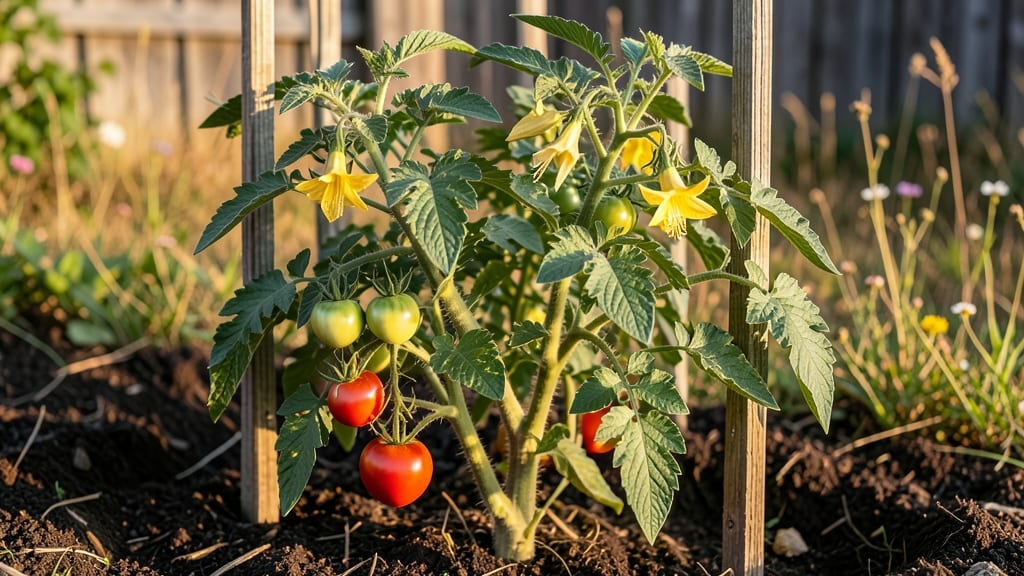
The tomato turns red to attract animals that aid seed dispersal while signaling peak ripeness through lycopene—a pigment that forms as natural sugars and acids reach their ideal balance. This bright color serves as nature's way to ensure the fruit's survival by enticing creatures like birds and mammals to spread its seeds.
The tomato's signature red hue isn't just visually striking—it's a clever survival strategy. 🌱 Lycopene, the pigment responsible for that vibrant color, doesn't just make tomatoes look appealing; it also boosts their antioxidant content, making them more nutritious at peak ripeness.
This dual-purpose trait explains why red tomatoes are more effective at luring animals than their green or yellow counterparts, which lack this powerful visual and nutritional signal.
Interestingly, this evolutionary advantage becomes even more pronounced when you consider how humans have altered tomato selection. While wild tomatoes were often small and hard, modern cultivation prioritized size, sweetness, and—you guessed it—brighter red colors.
This human-driven shift means today's supermarket tomatoes are essentially supercharged versions of their wild ancestors, designed to be both delicious and visually irresistible.
💡 In This Article
- Lycopene and Ripeness: The Science Behind Tomato Color
- Evolutionary Advantages of Red Tomatoes in Nature
Lycopene and ripeness: the science behind tomato color
Lycopene, the pigment that gives tomatoes their signature red hue, is a powerful carotenoid that forms through a complex biochemical process during fruit maturation. When tomatoes ripen, their cells produce ethylene gas—a natural plant hormone that triggers color change by activating enzymes like phytoene synthase.
This enzyme converts geranylgeranyl pyrophosphate into lycopene, which accumulates in the fruit's chromoplasts (pigment-containing organelles) at concentrations up to 100 mg per 100g in ripe tomatoes. 🔥 The more lycopene present, the deeper the red color becomes, creating that irresistible visual cue for animals.
This color shift isn't just about appearance—it's a nutritional power-up. As tomatoes ripen, their lycopene levels correlate directly with increased antioxidant capacity and vitamin C content.
The fruit's natural sugars (like glucose and fructose) rise while acids (such as citric acid) decrease, creating the perfect balance for both taste and seed dispersal. Studies show that red tomatoes contain 3-4 times more lycopene than their green counterparts, which explains why they're far more effective at attracting animals.
The bright red acts like a neon sign in nature's grocery store, signaling "eat me—I'm ripe and nutritious!"
What's fascinating is how this process optimizes seed survival. The tomato's red color isn't just about attracting dispersers—it's also about timing. When animals eat ripe tomatoes, the seeds pass through their digestive systems unharmed and get deposited far from the parent plant.
This strategy maximizes genetic diversity while ensuring the seeds have access to fresh nutrients from the animal's droppings. The red hue essentially serves as a "ripe and ready" label that evolved over millennia to perfect this symbiotic relationship. 🌱
The lycopene synthesis process is temperature-sensitive too. Tomatoes ripened at 70-75°F develop optimal color and flavor, while cooler temperatures slow lycopene production. This is why greenhouse tomatoes often have less vibrant color—they're not getting enough warmth to trigger peak pigmentation.
The same principle applies to storage: refrigerating tomatoes too early can halt ripening and reduce lycopene development, making them less attractive to both animals and human consumers.
Here's where it gets even more interesting: lycopene isn't just about color—it's about protection. The pigment acts as a natural sunscreen for the tomato's skin, shielding the fruit from UV damage while it ripens.
This dual function explains why tomatoes invest so much energy in producing lycopene—they're not just advertising their ripeness, they're also protecting their genetic future. The red color serves as both a beacon and a shield in nature's survival game. ✨
Consider this: a single tomato contains about 8-10% of your daily lycopene needs, and this pigment is what gives processed tomato products (like sauces and pastes) their rich red color.
The more you cook tomatoes, the more bioavailable the lycopene becomes—heat actually helps break down the cell walls, making the antioxidant more easily absorbed by our bodies. This is why tomato-based dishes are such powerhouse foods for heart health and cancer prevention.