
Blooming
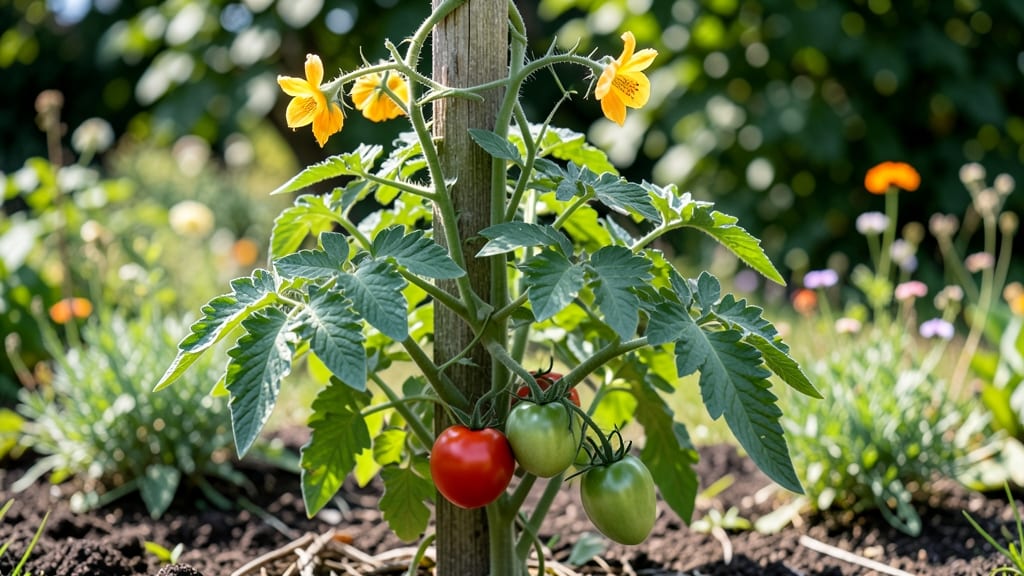
How long does it take a tomato to mature? The answer isn’t as simple as 45-70 days—it’s a race shaped by variety, weather, and a little gardener know-how. 🌱 I’ve watched cherry tomatoes blush in 50 days while beefsteaks linger near 70, and the difference comes down to variety, heat, and a little luck. Understanding these stages lets you plan harvests, troubleshoot delays, and even push plants to mature faster when you need them to. The journey starts with germination (5-14 days), then 30-45 days to flowering, before the real countdown begins. Each variety has its own clock: determinate (bush) tomatoes finish faster than indeterminate (vining) types, and heirlooms often take longer than hybrids. Sunlight, soil warmth, and consistent watering keep that internal timer ticking—skimp on any, and you’ll see days stretch into weeks. By day 60, you’ll spot the first color changes: green shoulders softening, the first hints of red or yellow. That’s when the magic happens—10-14 days of ripening where flavor peaks and sugars concentrate. The key is patience: picking too early means bland tomatoes, but waiting too long risks cracking or pests. Here’s the secret weapon: pruning suckers and feeding with phosphorus at flowering. Both shave days off maturity by directing energy to fruit development. And if your season’s short? Start seeds indoors 6-8 weeks before last frost—timing is everything when you’re racing against summer’s end.
📚 In This Guide
- What you need
- Instructions
- Tips and common mistakes
- Wrapping up and next steps
What you need
- ● Tomato Seeds or Seedlings: 10–20 seeds (if starting from scratch) or 3–5 healthy seedlings (if transplanting).
- ● Choose determinate (bush-type) or indeterminate (vining) varieties based on your space.
- ● Containers or Garden Bed: 5-gallon pots (for container gardening) or a well-draining garden bed (6+ inches deep).
- ● Ensure pots have drainage holes to prevent root rot.
- ● Potting Soil or Garden Soil: 5–10 lbs of high-quality, well-draining potting mix (or garden soil amended with compost).
- ● Add perlite or vermiculite (1 part per 4 parts soil) for aeration.
- ● Fertilizer: Balanced fertilizer (10-10-10 or 5-5-5) or organic options like composted manure or worm castings.
- ● Slow-release granules or liquid feed (follow package instructions).
- ● Watering Can or Hose with Nozzle: 1–2 gallons capacity for consistent moisture (avoid overhead watering to prevent disease).
- ● Stakes or Cages: 3–5 ft wooden stakes or tomato cages (1 per plant) for support.
- ● Pruning Shears: Small, sharp shears for trimming suckers and dead leaves.
- ● Mulch: Straw or shredded leaves to retain moisture and suppress weeds.
- ● Grow Lights: LED lights (12–16 hrs/day) if starting seeds indoors before the last frost.
- ● pH Test Kit: To ensure soil pH is between 6.0–6.8 (ideal for tomatoes).
- ● Insect Netting: To protect flowers from pests like hornworms.
- ● Tomato Trellis: For indeterminate varieties needing extra vertical support.
Understanding tomato maturation: from flower to harvest in 45-70 days
Tomatoes follow a precise timeline from pollination to ripe fruit—here’s how to track it like a pro.
🌱 Step 1: Recognize the Pollination Trigger
Tomato maturation begins when you spot tiny yellow flowers on your plant. These appear 45-60 days after transplanting, depending on variety and growing conditions. The flowers are the first visual checkpoint—look for clusters of 3-5 blooms per stem. Each flower contains a tiny ovary that will develop into a fruit if pollinated properly.
Here’s the thing—tomatoes are self-pollinating, but they need a little help in containers or windless environments. Gently shake the plant near the flowers in the morning, or use a small paintbrush to transfer pollen from one flower to another. You’ll know pollination worked when the flower wilts and a small green tomato begins forming within 7-10 days.
☀️ Step 2: Monitor Growth Stages After Pollination
Once pollinated, the tomato goes through three distinct growth phases. First comes the green fruit stage, where the tomato grows rapidly for 20-30 days. During this time, it needs full sun (6-8 hours daily) and consistent watering—keep soil 1-2 inches moist but never soggy. You’ll see the tomato double or triple in size, with a firm, glossy skin.
Next is the color-change phase, marked by the first hints of pink, yellow, or red near the stem. This shift happens 10-15 days before full ripeness and signals the tomato is nearing maturity. Temperatures below 55°F can stall this process, so protect plants with row covers if needed. Watch for the skin to soften slightly—this is your cue that sugars are concentrating.
🍅 Step 3: Determine Ripeness and Harvest Timing
The final stage is ripening, which takes 14-21 days from color change to full maturity. For most varieties, this means the tomato turns a deep, even color—red for heirlooms, yellow for yellow varieties, or purple for black cherries. The skin should feel slightly leathery, and the tomato should yield gently when pressed near the stem.
Don’t wait too long—overripe tomatoes split or attract pests. Harvest in the morning when temperatures are coolest, using pruning shears to cut the stem cleanly. If you’re growing in a hot climate, pick tomatoes when they’re still slightly firm and ripen indoors on a counter. This extends shelf life and preserves flavor.
⏰ Step 4: Adjust for Variety and Climate
Not all tomatoes follow the same timeline. Cherry tomatoes mature in 45-55 days from flower to harvest, while large slicers like Brandywine take 70-80 days. Check your seed packet for the "days to maturity" estimate—this is your baseline. In cooler climates, extend the timeline by 7-10 days; in hot regions, some varieties ripen 10-15 days faster.
Real talk: Your first harvest might be smaller than expected. That’s normal—tomato plants often produce fewer fruits early on as they focus on establishing roots. Once they’re past the 60-day mark, you’ll see a surge in flower clusters, meaning a bigger harvest is coming. Keep notes on your plants’ progress to refine next year’s schedule.
Tips & tricks for tracking tomato maturation
Mastering tomato growth means paying attention to subtle cues—here's how to become a plant whisperer.
Visual Cues Over Guesswork: In Step 1, when you spot those first yellow flowers, focus on the cluster size—3-5 blooms per stem indicates healthy pollination potential. The real test comes 7-10 days later when you should see tiny green tomatoes forming. If you don't see these within 14 days, your pollination method needs adjustment (windless environments often need that paintbrush help).
Temperature's Hidden Role: That 55°F threshold in Step 2 isn't just a number—it's the point where tomato development hits pause. If your mornings dip below this, protect plants with row covers immediately. I've seen color-change phases stall completely when temperatures hovered around 50°F for more than 3 days. Watch for the skin to soften slightly—this tells you sugars are concentrating even when colors aren't changing yet.
Sunlight Strategy: The 6-8 hours of full sun requirement in Step 2 is non-negotiable, but quality matters more than quantity. Early morning and late afternoon sun (when temperatures are cooler) are ideal for growth. If you're in a hot climate, provide afternoon shade during the green fruit stage to prevent sunscald—those white patches ruin flavor and appearance. I've noticed plants with afternoon shade produce tomatoes with thicker skins and better flavor.
Harvest Timing Nuances: In Step 3, that "leathery skin" description is key—it should yield gently but not squish easily. For heirloom varieties, I wait until the first hint of color appears at the stem end, then harvest when the tomato feels firm but gives slightly at the blossom end. In hot climates, harvest slightly earlier (when 75% colored) to prevent splitting and ripen indoors on a windowsill for better flavor control.
Pro Tips for How Long Does It Take A Tomato To Mature
- Mastering tomato growth means paying attention to subtle cues—here's how to become a plant whisperer.
- Visual Cues Over Guesswork: In Step 1, when you spot those first yellow flowers, focus on the cluster size—3-5 blooms per stem indicates healthy pollination potential.
- Temperature's Hidden Role: That 55°F threshold in Step 2 isn't just a number—it's the point where tomato development hits pause.
Frequently asked questions
Got questions about growing tomatoes? You’re not alone! Here are answers to the most common queries about tomato maturity—from impatient gardeners to seasoned growers.
How can I tell if my tomato plant is ready to harvest?
Look for color change (deep red, yellow, or purple, depending on the variety) and a slightly soft, yielding feel when gently squeezed. The stem should separate easily from the vine. If it’s still firm or green, give it a few more days—patience pays off!
What if my tomatoes aren’t ripening in 70 days?
Several factors could slow ripening: cool nights (below 55°F), lack of sunlight, or overcrowded plants. Try moving containers to a sunnier spot, pruning excess leaves, or using a cloche to trap heat. If frost is coming, harvest green tomatoes and ripen them indoors with a banana or apple nearby!
Can I speed up tomato ripening?
Yes! Place unripe tomatoes in a paper bag with an apple or banana (they release ethylene gas, a natural ripening trigger). Store them at room temperature, away from direct sunlight, and check daily. Avoid refrigerating—it halts ripening and dulls flavor.
Do heirloom tomatoes take longer to mature than hybrid varieties?
Generally, heirlooms (60–85 days) need more time than hybrids (45–60 days) due to their genetic focus on flavor over speed. However, hybrids like ‘Early Girl’ or ‘Sun Gold’ are bred for faster harvests. Check seed packets for days to maturity to plan ahead!
What’s the best way to harvest tomatoes to extend the season?
Use sharp pruners or scissors to avoid damaging the vine, and leave a short stem attached. Harvest in the morning when sugars are highest. For green tomatoes, pick them before frost and ripen indoors. Pro tip: Rotate your harvest—pick from different plants daily to encourage continuous production!
What if my tomato flowers fall off before fruiting?
This is often due to temperature stress (below 55°F or above 95°F), drought, or overwatering. Ensure consistent moisture (1–1.5 inches per week) and protect plants from extreme heat with shade cloth. If flowers drop repeatedly, try hand-pollinating with a small brush to transfer pollen.
Wrapping up and next steps
Growing tomatoes from flower to ripe fruit is a rewarding journey that typically takes 45–70 days, depending on variety, climate, and care. With the right materials, patience, and a little love, you’ll soon enjoy homegrown tomatoes bursting with flavor! 🌱
Ready to dive in? Start by choosing your tomato variety and giving those seedlings the best conditions to thrive. Happy gardening—your future harvest is waiting!