
Pests and Diseases
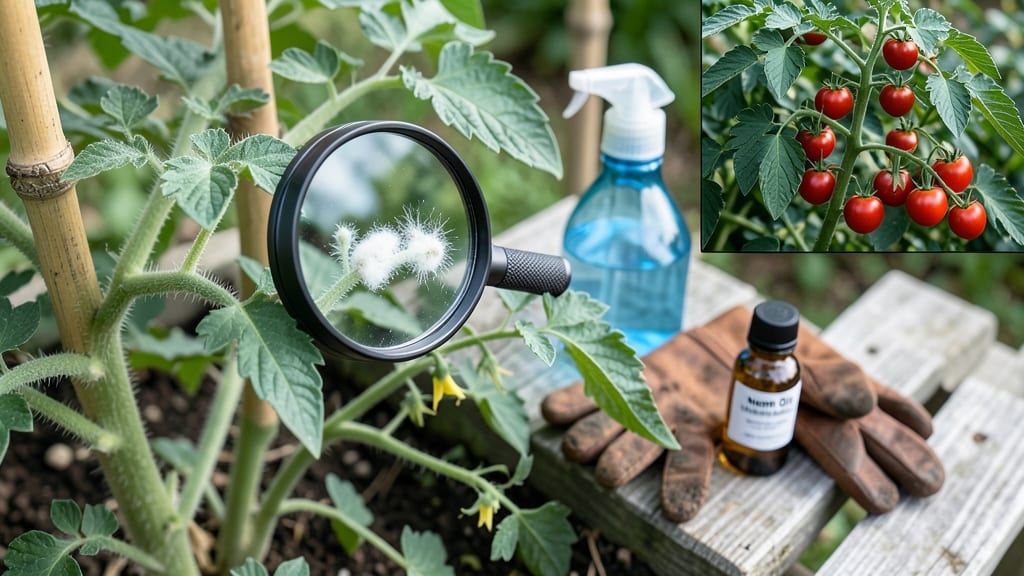
That white stuff on tomato stems isn’t just unsightly—it’s a fungal blight that can cripple your harvest if ignored. 🌱 I’ve seen it turn lush vines into skeletal shadows within weeks, but the good news is you can stop it fast with the right moves.
Most of the time, it’s powdery mildew, thriving in humid conditions or crowded plants. Other culprits include spider mites (which leave webbing) or even harmless calcium deposits—but the damage looks the same until you act. The key is catching it early, when a simple spray can save your plants.
You’ll scrub it off with a neem oil mix or baking soda spray, then boost airflow by pruning and spacing. Within a week, new growth will push through clean, and your tomatoes can rebound—if you move quickly. The worst mistake?
Waiting for rain to wash it away—fungus just comes back stronger. Works for greenhouse tomatoes, backyard plants, or container gardens. Let’s get those stems back to healthy green in no time.
Hidden Culprits Behind White Growth
When you spot that mysterious white stuff on tomato stems, it’s rarely just a random coincidence—it’s usually a sign that something’s off in your garden’s balance. Understanding the root causes (or should we say, stem causes?) helps you tackle the problem faster.
Let’s break down the most common triggers, backed by science, so you can diagnose and act with confidence.
Fungal infections are the #1 culprit behind that fuzzy white growth. These microscopic invaders thrive in moist, warm conditions and can spread rapidly if left unchecked. Two of the most common fungal offenders are:
- Powdery Mildew (Podosphaera xanthii) – This fungus creates a powdery white coating on leaves and stems, blocking sunlight and weakening the plant. It loves humid environments and can appear within days of poor air circulation.
- Downy Mildew (Phytophthora infestans) – While it often shows up as grayish-white fuzz on undersides, it can also manifest as a white, cottony growth in severe cases. It thrives in overwatered soil and spreads via wind or splashing water.
Why it happens: Fungal spores are always present in the air, but they only become a problem when conditions are ideal for germination. Overhead watering, dense plantings, or nighttime dew without proper airflow create the perfect storm for these pathogens.
Sometimes, the white stuff isn’t a fungus at all—it’s a pest party. Tiny insects like aphids, whiteflies, or spider mites excrete a sticky substance called honeydew, which can turn white and moldy over time. Here’s how it works:
- Aphids cluster on stems and leaves, sucking sap and leaving behind white, waxy secretions (their own protective coating) or honeydew that attracts sooty mold.
- Whiteflies cluster on the undersides of leaves, their wings creating a white, dusty appearance when disturbed, while their honeydew fosters mold growth.
- Spider mites (though usually red) can also trigger secondary fungal issues if their webbing traps moisture.
Why it happens: Pests thrive in stressed plants—think drought, nutrient deficiencies, or crowded gardens. Their waste products create a sticky, sugary film that fungi love to colonize, turning white and fuzzy overnight.
Watering habits play a huge role in whether that white stuff appears. Tomatoes need balance, but improper moisture levels can trigger fungal growth or stress-related pest outbreaks.
- Overwatering – Soggy soil and wet foliage create the perfect breeding ground for fungi like powdery mildew. Roots suffocate, and the plant becomes weakened and vulnerable.
- Underwatering – While it doesn’t directly cause white growth, stressed plants attract pests (like aphids) that then leave honeydew behind.
- Poor drainage – If water pools around stems, it encourages root rot and fungal spores to latch on.
Why it happens: Fungi need water to spread. When stems stay damp for prolonged periods, spores germinate and multiply like wildfire. Even morning dew can be enough if airflow is lacking.
Fungi and pests have ideal temperature ranges—and if your garden hits those sweet spots, you’ll see white growth fast. Here’s the science:
- High humidity (70%+) – Fungal spores love moist air. Without airflow, they germinate within 24 hours.
- Cool nights + warm days – This temperature swing triggers condensation on leaves, keeping them damp longer.
- Stagnant air – Dense plantings or greenhouses trap humidity, creating a fungal paradise.
Why it happens: Fungi like powdery mildew grow best between 60–80°F (15–27°C). If your tomatoes are in a shady, humid spot, you’re basically rolling out the welcome mat for spores.
Pro Tip: 💡 Check your garden’s microclimate. Use a hygrometer to monitor humidity—aim for 40–60% during the day and reduce nighttime moisture with proper spacing or fans.
Quick Fixes for Tomato Stem Issues
If you’ve spotted that white, fuzzy, or powdery substance creeping up your tomato stems, don’t panic—act fast to save your plants! The good news is that most of these problems respond well to early intervention.
Below, we’ve broken down the most effective solutions, tailored to the likely cause of your tomato stem woes. Follow these steps to restore your plants to peak health and prevent future outbreaks.
If your tomato stems are covered in white, moldy patches (likely powdery mildew, downy mildew, or early blight), act quickly to stop the spread.
🔥 Step 1: Isolate the Plant
- Move the affected tomato plant to a shaded, well-ventilated area (like a garage or shed) to prevent spores from spreading to other plants.
- Pro tip: 🌡️ If possible, wear gloves and a mask—fungal spores can irritate skin and lungs!
🍳 Step 2: Prune the Damage
- Use sterilized pruning shears (wipe with rubbing alcohol) to cut off all infected stems, leaves, and fruit.
- Dispose of the clippings in the trash not the compost—fungal spores can survive and reinfect.
👨🍳 Step 3: Clean the Plant
- Dip a soft brush or cloth in a mix of 1 part milk + 9 parts water (or a mild dish soap solution) and gently scrub the remaining stems and leaves.
- Why milk? 💡 Studies show it contains proteins that help break down fungal spores!
🥘 Step 4: Apply Fungicide
- Organic option: Spray with a neem oil solution (1 tsp neem oil + 1 tsp mild soap + 1 quart water). Reapply every 7–10 days.
- Chemical option: Use a copper-based fungicide (like Bordeaux mixture) for severe cases. Follow label instructions carefully.
- Prevention tip: ✨ Spray plants in the early morning so the solution dries quickly, reducing humidity—a fungal favorite.
⏰ Step 5: Adjust Growing Conditions
- Improve airflow: Space plants 18–24 inches apart and prune lower leaves to reduce humidity near the soil.
- Water at the base: Avoid overhead watering—wet leaves = fungal buffet. Use a drip irrigation system or water early in the day.
- Reflect sunlight: If your garden is shady, add reflective mulch or a white sheet nearby to increase light exposure, which fungi hate.
Seeing tiny white flies or cottony white clumps on stems? These pests weaken plants and spread diseases. Here’s how to evict them for good.
🔪 Step 1: Knock Them Off
- For whiteflies: Hold plants under a strong stream of water (like a hose) to dislodge adults and nymphs. Repeat every 2–3 days.
- For mealybugs: Use a cotton swab dipped in rubbing alcohol to wipe them off stems and leaf undersides.
🍳 Step 2: Trap and Remove
- Sticky traps: Hang yellow sticky cards near the plants to catch whiteflies. Replace weekly.
- Soap spray: Mix 1 tbsp castile soap + 1 quart water and spray directly on pests (avoid spraying flowers). Reapply every 5–7 days.
- Pro tip: 🎯 For stubborn mealybugs, introduce ladybugs or lacewings—they’re natural predators!
🥘 Step 3: Prevent Reinvasion
- Remove debris: Clear away fallen leaves and plant waste where pests hide.
- Quarantine new plants: Inspect any new additions to your garden for hitchhiking pests.
- Use reflective mulch: Aluminum mulch can deter whiteflies by confusing their navigation.
If the white stuff looks more like crusty deposits or salt buildup (not fuzzy or moldy), it might be from over-fertilizing, mineral buildup, or even efflorescence (natural salt crystallization).
💡 Step 1: Flush the Soil
- Water the plant deeply to leach out excess salts. Do this 2–3 times over a week.
- Test your soil: 📊 If you suspect over-fertilizing, conduct a simple soil test kit to check pH and nutrient levels.
🥗 Step 2: Adjust Fertilizer Use
- Switch to organic: Synthetic fertilizers can cause salt buildup. Try a balanced organic fertilizer (like compost or worm castings).
- Dilute solutions: If using liquid fertilizer, mix it at half-strength to avoid overloading the soil.
- Prevention tip: ✨ Always water plants before fertilizing to help nutrients absorb properly.
🌱 Step 3: Improve Drainage
- Amend heavy or clay soil with perlite or sand to improve drainage.
- Ensure pots have drainage holes if growing in containers.
Once your tomato plants are back in shape, take these steps to keep them thriving and pest-free:
- Rotate crops: Avoid planting tomatoes (or nightshades like peppers) in the same spot yearly to break disease cycles.
- Mulch properly: Use straw or grass clippings to keep soil moist but not soggy.
- Monitor regularly: Check stems and leaves weekly for early signs of trouble.
- Strengthen plants: Healthy tomatoes resist pests better—ensure they get 6–8 hours of sunlight and consistent watering.
With these fixes, your tomato plants should bounce back in no time. And who knows? You might even end up with a bumper crop of juicy, disease-free tomatoes! 🍅🌟
Frequently asked questions
Is white stuff on tomato stems always a fungal infection?
No, it’s not always a fungus! While powdery mildew is the most common cause, you might also see white growth from pests like aphids or whiteflies (their honeydew attracts mold) or even harmless calcium deposits from hard water. Always check for fuzzy texture—if it wipes off easily, it’s likely calcium, but if it’s powdery and spreads, it’s probably a fungus.
Can I save my tomato plants if the white stuff has spread to the fruit?
It depends! If the white growth is powdery mildew on the fruit, harvest what you can immediately and destroy infected fruit (don’t compost it). For severe cases, prune affected branches and treat with neem oil or copper fungicide. If the fungus is on the stems but not yet on fruit, you may still recover—just act fast with proper airflow and fungicide.
Why does my tomato plant get white stuff every year, even after treatment?
This usually means your garden’s conditions are still perfect for fungi—like high humidity, poor airflow, or overcrowded plants. Try spacing plants 18–24 inches apart, watering at the base (never overhead), and adding a small fan nearby to improve circulation. Also, rotate crops yearly to break disease cycles.
Is baking soda really effective for treating white fungal growth?
Yes! A baking soda spray (1 tsp baking soda + 1 tsp dish soap + 1 quart water) works well for powdery mildew because it raises the pH, making it harder for fungi to thrive. Spray it on dry leaves in the morning and reapply every 7–10 days. For stubborn cases, combine it with neem oil for better results.
Can I use vinegar to kill white fungal growth on tomato stems?
Not pure vinegar—it can burn plants! Instead, mix 1 part white vinegar + 3 parts water and add a drop of dish soap as a surfactant. This mild solution can help, but it’s less effective than neem oil or copper fungicide. Always test on a small leaf first, and avoid spraying in direct sunlight.