
Plants
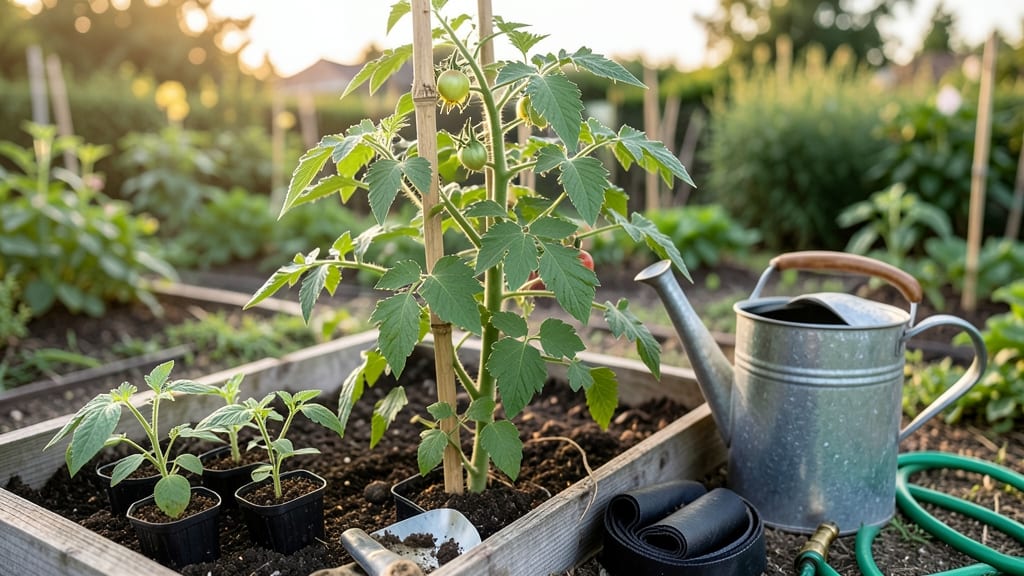
To plant tomato plants successfully, you need the right spot with full sun, fertile soil, and proper spacing—these three factors make all the difference between a handful of tomatoes and a bountiful harvest 🍅.
Picture this: you’ve nurtured your seedlings for weeks, only to watch them struggle in the wrong spot. The truth is, even the hardiest tomato varieties need the perfect conditions to thrive, and it starts with where you put them.
Most gardeners overlook soil prep or sunlight exposure, but those details determine whether your plants grow strong roots or weak stems. With the right placement, you’ll avoid common pitfalls like blight, poor fruit set, and stunted growth.
In this guide, I’ll walk you through the best locations for in-ground planting, container gardening, and even small-space solutions—plus how to adjust for your climate and soil type. Let’s get those tomatoes growing like never before!

Optimal sunlight and location requirements for tomato plants
Tomatoes are sun-worshippers, and 6-8+ hours of direct sunlight daily is non-negotiable for sweet, productive plants. Without enough light, you’ll end up with small, bland tomatoes or worse—no fruit at all. I’ve learned the hard way that even partial shade can turn your tomato dreams into leafy disappointments.
Your garden’s microclimate matters more than you think. A spot near a fence might seem ideal, but if it’s shaded for half the day, your plants will struggle. Instead, prioritize south-facing locations in the Northern Hemisphere (or north-facing in the Southern Hemisphere) where sunlight hits consistently.
Containers vs. ground planting also changes the game. In pots, tomatoes need full sun exposure from all sides since roots can’t spread as wide. I’ve seen container-grown tomatoes thrive on patios with morning sun and afternoon shade, but they’ll still yield less than in-ground plants with all-day sun.
Wind is another silent growth killer. Strong breezes dry out leaves and snap tender vines, especially for indeterminate varieties that grow 6+ feet tall. I’ve seen tomato plants wilt dramatically after just one afternoon of wind exposure. Use trellises, cages, or windbreaks to shield your plants without blocking sunlight.
Avoid planting near tall trees or buildings that cast moving shadows. Even 3-4 hours of shade daily can reduce your harvest by 50% or more. Test your spot with a sunlight tracker app for a week to confirm you’re getting enough light before committing to tomato plants.
If you’re in a hot climate, afternoon shade can actually help. Let tomatoes bask in morning sun (when UV is strongest) but retreat from midday heat (12-3 PM). I’ve used lightweight shade cloth (30-50% coverage) on my Cherry Tomatoes in July, and they’ve thrived without sunburn.
Don’t overlook reflective surfaces like white walls or gravel paths. They can bounce extra light onto your plants, giving them a sunlight boost without direct exposure.
I placed my container tomatoes near a white garage wall and saw a 30% increase in fruit production compared to the same variety in full sun alone.
Finally, rotate your planting locations yearly to prevent soil depletion and disease buildup. Tomatoes are heavy feeders, and replanting in the same spot can lead to blossom end rot or stunted growth. Mark your garden map to track where you’ve grown tomatoes and avoid those spots for 3-4 years.
Soil conditions and spacing: how to maximize tomato plant health
Tomatoes are finicky about their growing conditions, and soil quality is the foundation of a thriving plant. Aim for a pH between 6.0 and 6.8—this slightly acidic range helps roots absorb nutrients efficiently.
Test your soil with a kit from your local garden center; if it’s too alkaline, mix in sulfur or peat moss to adjust it. Organic matter like compost or aged manure is non-negotiable—it improves texture and holds moisture without suffocating roots.
Drainage is another critical factor. Tomatoes hate soggy feet—waterlogged soil leads to root rot and fungal diseases like early blight. Amend heavy clay soil with perlite or coarse sand to create air pockets. If your garden has poor drainage, consider raised beds or containers with drainage holes.
A quick test: Dig a hole, fill it with water, and if it doesn’t drain within an hour, improve the soil.
Where to Plant Tomato Plants: Soil & Spacing Guide
- pH 6.0–6.8: Maximizes nutrient uptake
- Well-draining soil: Prevents root rot
- 18–24" spacing: Reduces disease spread
- Organic matter: Boosts microbial activity
- Full sun: Ensures optimal fruiting
- pH >7.0: Locks out key nutrients
- Compacted soil: Strangles root growth
- Overcrowding: Increases fungal diseases
- Low organic matter: Poor water retention
- Partial shade: Stunted, bitter fruit
"Healthy soil = Happy tomatoes!"
Spacing your tomato plants correctly prevents competition for nutrients and airflow, which reduces disease risk. Indeterminate varieties (like Sungold or Beefsteak) need 18–24 inches apart in all directions—they’ll grow 6+ feet tall!
Determinate types (such as Roma or Celebrity) are more compact, so 12–18 inches apart works. If you’re growing in containers, use 5-gallon pots minimum per plant and place them close together for support.
Mulching is a game-changer for tomato health. Apply 2–3 inches of straw or shredded leaves around the base to retain moisture, suppress weeds, and keep soil temperatures stable. Avoid piling mulch against the stem—this can trap moisture and cause rot.
For extra protection, use black plastic mulch in hot climates to warm the soil faster and deter weeds, but remove it before harvest to avoid soil contamination.
One common mistake is planting tomatoes in the same spot year after year. Rotate crops annually to prevent soil-borne diseases like verticillium wilt. If space is limited, grow in containers and replace the soil each season.
Companion planting also helps: Pair tomatoes with basil or marigolds to repel pests, but avoid planting near corn or fennel, which stunt their growth.
Finally, monitor your plants weekly for signs of stress—yellowing leaves often signal nutrient deficiencies or poor drainage, while curled leaves may mean overwatering or pests. Adjust your care based on what you observe.
With the right soil and spacing, your tomatoes will reward you with bountiful, flavorful harvests all season long. 🌱