
How To
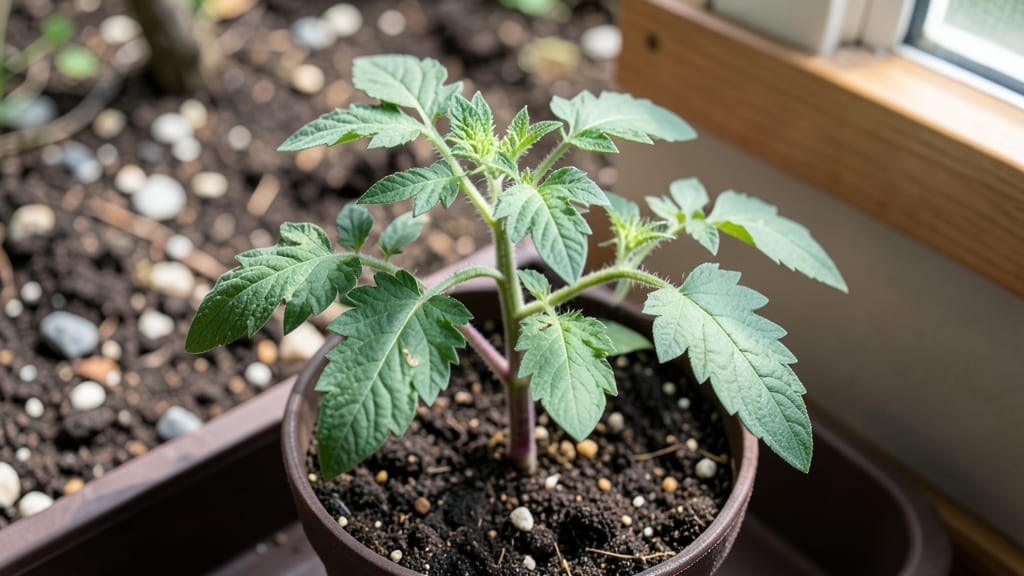
When tomato seedlings develop curled leaves, it typically indicates stress from pests like spider mites, extreme temperature fluctuations, or fungal infections such as early blight. Take immediate action by identifying the cause and applying targeted solutions like neem oil or improved airflow to restore plant health.
Curled leaves on young tomato plants often act as a distress signal from your seedlings. 🌱 The issue usually stems from environmental stress—like sudden temperature drops or scorching afternoon sun—rather than just pests.
I've seen this happen most frequently when seedlings transition from indoor starts to outdoor conditions, where they struggle to adapt quickly. The key is to act fast: inspect the undersides of leaves for tiny webs (spider mites) or dark spots (fungus), and adjust your care routine accordingly.
For example, if you notice curled leaves paired with sticky residue, aphids are likely the culprit. 🐞 A strong spray of water or diluted neem oil can work wonders. Meanwhile, fungal issues often appear after overwatering, so improving drainage and spacing plants for better airflow becomes critical.
Remember, tomato seedlings are delicate—once they show stress symptoms, they rarely recover fully without intervention.
💡 In This Article
- Identifying Common Causes of Tomato Seedling Leaf Curling
- Step-by-Step Fixes for Tomato Seedling Leaf Issues
Identifying common causes of tomato seedling leaf curling
The most common cause of curled leaves in tomato seedlings is pest infestation, particularly spider mites and aphids. These tiny creatures create microscopic webs or leave behind sticky honeydew, which can distort leaf growth.
Spider mites thrive in dry conditions, often appearing when humidity drops below 40%, while aphids cluster on new growth, sucking sap that causes leaves to curl upward like cupped hands.
Environmental stress plays an equally critical role. Tomato seedlings are highly sensitive to temperature extremes—exposure to below 50°F or sudden heat spikes above 90°F triggers curling as a protective response. The plant's vascular system constricts under stress, reducing water flow to affected leaves.
You'll often see this curling paired with a dull, grayish-green color, signaling the plant is conserving energy rather than growing.
Fungal diseases like early blight (caused by Alternaria solani) also manifest as curled, crispy-edged leaves with dark spots. The fungus thrives in moist conditions, especially when plants are crowded with poor airflow. Unlike pest damage, fungal curling often appears on older leaves first and spreads upward.
The key difference? Fungal issues typically leave a velvety, powdery texture on leaf undersides, while pests create visible damage like webbing or tiny holes.
Nutrient deficiencies can mimic these symptoms, particularly a lack of calcium (blossom end rot's precursor) or nitrogen (causing yellowing between leaf veins). Calcium deficiency often appears as curling at leaf edges, while nitrogen starvation results in overall stunted growth with curled, pale leaves.
Test your soil pH—tomatoes prefer 6.0-6.8—as acidic or alkaline extremes block nutrient uptake.
Here's how to distinguish between causes quickly:
- Pests: Look for webs (spider mites), sticky residue (aphids), or tiny moving dots on leaf undersides
- Temperature stress: Check for uneven curling paired with wilting in direct sun or near cold drafts
- Fungal issues: Dark spots with concentric rings and powdery texture on leaf undersides
- Nutrient deficiency: Uniform curling with yellowing (nitrogen) or brown edges (calcium)
What most gardeners miss is that curled leaves often indicate a combination of factors. For example, stressed seedlings become more susceptible to pests, while crowded plants with poor airflow develop fungal issues faster.
The first step is always inspection—use a magnifying glass to examine leaf undersides and stems before assuming the cause.