
Vegetables
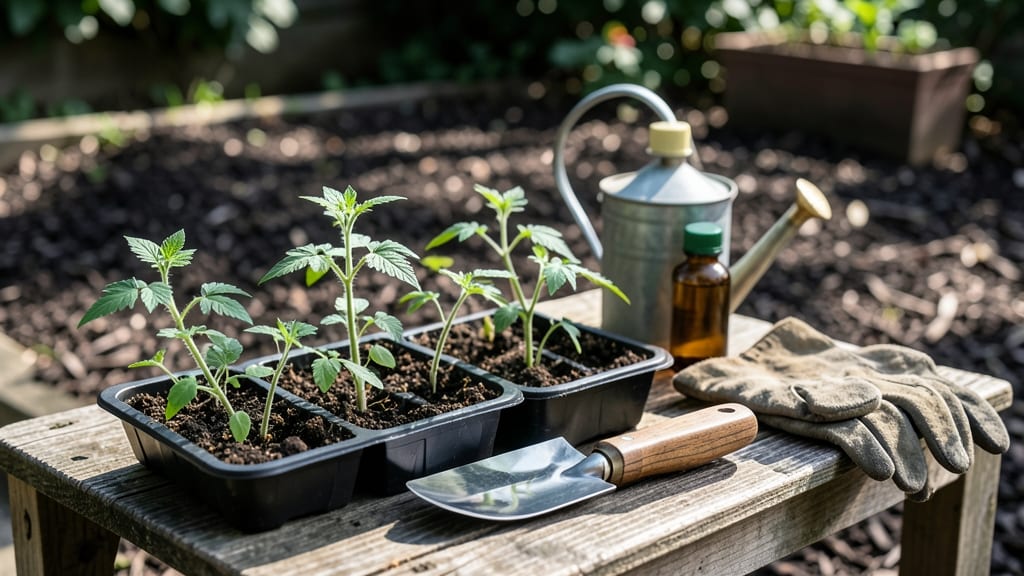
Separating tomato seedlings at the right time ensures they thrive and produce a bountiful harvest 🍅—wait until they have 4-6 true leaves and a sturdy stem.
Too early, and you risk stunted growth or shock; too late, and they’ll become root-bound. This guide breaks down the exact milestones to watch for, from leaf count to root strength, so you can separate with confidence.
In Zone 6, aim for late April to early May, aligning with your last frost date. I’ll walk you through how to harden off seedlings over 7-10 days to prep them for outdoor conditions—no more leggy, weak plants!
You’ll also learn the common mistakes that sabotage seedlings, like separating too soon or ignoring soil temperature, and how to fix them before it’s too late.
Signs your tomato seedlings are ready to separate: key growth milestones
Knowing when to separate tomato seedlings is critical—wait too long, and your plants become root-bound; act too soon, and they struggle to survive transplanting. The perfect moment arrives when your seedlings hit 3-4 true leaves and show strong stem thickness about the width of a pencil.
This balance ensures they have enough energy to adapt to their new home in the garden.
True leaves are the second set of leaves that appear after the initial seed leaves (cotyledons). These leaves look different—they're usually larger, serrated, and more tomato-like in shape. Count them carefully to avoid separating too early.
If you see only 2 true leaves, give your seedlings another week or two of indoor growth before considering separation.
Root development is another key indicator. Gently squeeze the root ball to check for root binding—if roots are circling tightly or growing out of the bottom of the pot, it's time to act.
Healthy roots should fill the container but not be strangling each other. If you see white, fibrous roots at the surface, your seedlings are ready for separation.
Stem strength is equally important. A thick, sturdy stem (about 1/8-inch diameter) suggests the seedling has developed enough to support itself outdoors. Thin, leggy stems often indicate weak seedlings that may struggle after transplanting. If your seedlings are stretching toward the light, they need more sunlight indoors before separation.
| Growth Milestone | Visual Cues | Action Required |
|---|---|---|
| Leaf Count | 3-4 true leaves (not cotyledons) | Prepare for separation |
| Stem Thickness | Pencil-sized (1/8-inch diameter) | Hardening off begins |
| Root Binding | Roots circling pot or white roots at surface | Separate immediately |
| Height | 6-12 inches tall | Check soil temps before transplanting |
| Leaf Color | Deep green, no yellowing | Healthy for transplanting |
Timing also depends on your local climate. In cooler zones (like USDA Zone 5), wait until after the last frost date and when nighttime temperatures stay above 50°F (10°C).
Warmer zones (like Zone 8) can transplant earlier, but soil should still be at least 60°F (15°C). Use a soil thermometer to check—cold soil shocks roots and stunts growth.
If your seedlings are ready but outdoor conditions aren't ideal, harden them off for 7-10 days before transplanting. Start by placing them outside in partial shade for a few hours daily, then gradually increase exposure to full sun and wind.
This process helps them adjust to outdoor stresses like temperature swings and UV rays.
Watch for signs of stress during hardening off, such as wilting, yellowing leaves, or slowed growth. These could mean your seedlings need more time indoors or protection from harsh conditions. If you notice leaf curl or browning, reduce exposure and extend the hardening period.
Once your seedlings meet all the milestones—3-4 true leaves, sturdy stems, and healthy roots—they're ready for their permanent spot in the garden. Choose a sunny location with well-draining soil and space them 18-24 inches apart for determinate varieties or 24-36 inches apart for indeterminate types.
Proper spacing reduces disease risk and ensures each plant gets enough nutrients.
Remember, patience is key. Rushing the process can lead to leggy, weak plants that struggle to produce fruit. If your seedlings are still small after 6-8 weeks indoors, consider using grow lights to encourage faster growth before separation.
With the right timing, your tomato seedlings will thrive and reward you with a bountiful harvest.
Step-by-step hardening off process for tomato seedlings
Hardening off your tomato seedlings is the secret to strong, resilient plants that thrive after transplanting. This 7-10 day process gradually exposes seedlings to outdoor conditions like sun, wind, and temperature fluctuations—preventing transplant shock.
Start when your seedlings have 4-6 true leaves and are at least 6 inches tall, but before nighttime temperatures drop below 50°F (10°C).
Begin by moving seedlings outdoors to a shaded, sheltered spot for just 1-2 hours on day 1. Choose a location protected from direct wind and harsh afternoon sun.
Over the next 3-5 days, slowly increase exposure time by 1-2 hours daily, while still keeping them out of full sun. This mimics natural conditions and strengthens their cell walls and root systems.
🌱 7-Day Hardening Off Schedule
- 📅 Day 1-2: Place seedlings in partial shade for 1-2 hours (morning only). Monitor for wilting.
- 📅 Day 3-4: Increase exposure to 3-4 hours, adding 1 hour of direct sun in the morning.
- 📅 Day 5-6: Move to 50% sun for 4-5 hours. Introduce light wind by placing near a fence or wall.
- 📅 Day 7-10: Gradually shift to full sun for 6+ hours. Overnight, leave them outside if temps stay above 50°F (10°C).
⚠️ Pro Tip: If seedlings wilt, they’re not ready—extend hardening by 1-2 days. Always water deeply in the morning during this process.
By day 7, your seedlings should handle full sun and mild wind without stress. To test readiness, gently tug on a seedling—if roots resist, they’re strong enough for transplanting. Avoid hardening off during heatwaves or storms, as extreme conditions can still shock tender plants.
If nighttime temps drop below 50°F (10°C), bring seedlings indoors or use row covers for protection.
One often-overlooked step is wind hardening. Place seedlings near a fan on low speed or in a breezy spot for the last 2-3 days of hardening. This toughens stems, preventing them from snapping when planted outdoors.
For determinate varieties (bush tomatoes), focus on gradual sun exposure, while indeterminate types (vining tomatoes) benefit from early wind exposure to support their height.
Finally, time your transplanting for cloudy days or early morning on the last day of hardening. Dig holes twice as wide as the root ball and amend soil with compost or aged manure to reduce shock.
Water thoroughly after planting to settle soil around roots. With this method, your seedlings will adapt seamlessly to their permanent home and produce a bountiful harvest.
🌿